Introduction
Våra Minnen is a privately printed Swedish volume intimately connected to the early life and artistic development of Prins Eugen. This particular copy carries a personal inscription dated 15 June 1924:
“Till Erik Lidforss från Eugen.” (To Erik Lidforss from Eugen)
The recipient was almost certainly Erik Lidforss, the Swedish author, translator and member of the Royal Swedish Academy of Music. The informal tone of the inscription strongly suggests personal acquaintance rather than ceremonial presentation. The book thus stands as a direct witness to the cultural networks that linked Swedish royalty with the country’s intellectual elite during the early twentieth century.
Physical description
Stuttgart: Deutsche Verlagsanstalt, 1886
Privately printed, not issued for the general book trade
Large octavo format
Contemporary half calf over marbled boards
Gilt lettering to spine
Illustrated with photographic plates
Autograph inscription in ink by Prince Eugen, dated 15 June 1924
Binding sound, minor rubbing to extremities
Interior clean with light age toning
Context
Våra Minnen was produced for limited private circulation rather than commercial sale, enhancing its exclusivity. The volume relates to the youthful experiences of the princely brothers and reflects an early phase in Prince Eugen’s artistic and personal formation.
By 1924, both Prince Eugen and Erik Lidforss were established figures within Sweden’s cultural life. Lidforss, active in literary and musical circles and elected to the Royal Swedish Academy of Music in 1917, belonged to the same cultivated milieu in which Prince Eugen moved as artist, patron and public personality. The inscription therefore situates this copy within a refined intellectual and artistic network rather than within a merely official royal context.
Significance
This copy transcends the category of a signed book. It is an association copy that unites a Swedish prince and prominent cultural figure in a single object. The clarity and intimacy of the inscription enhance its documentary value.
For collectors of Scandinavian cultural history, royal provenance, or artist-related material, this volume offers a compelling convergence of monarchy, literature and art. It represents not only the memory of princely youth, but also the enduring connections that shaped Sweden’s cultural landscape in the early twentieth century.
Introduction
Våra Minnen is a privately printed Swedish volume intimately connected to the early life and artistic development of Prins Eugen. This particular copy carries a personal inscription dated 15 June 1924:
“Till Erik Lidforss från Eugen.” (To Erik Lidforss from Eugen)
The recipient was almost certainly Erik Lidforss, the Swedish author, translator and member of the Royal Swedish Academy of Music. The informal tone of the inscription strongly suggests personal acquaintance rather than ceremonial presentation. The book thus stands as a direct witness to the cultural networks that linked Swedish royalty with the country’s intellectual elite during the early twentieth century.
Physical description
Stuttgart: Deutsche Verlagsanstalt, 1886
Privately printed, not issued for the general book trade
Large octavo format
Contemporary half calf over marbled boards
Gilt lettering to spine
Illustrated with photographic plates
Autograph inscription in ink by Prince Eugen, dated 15 June 1924
Binding sound, minor rubbing to extremities
Interior clean with light age toning
Context
Våra Minnen was produced for limited private circulation rather than commercial sale, enhancing its exclusivity. The volume relates to the youthful experiences of the princely brothers and reflects an early phase in Prince Eugen’s artistic and personal formation.
By 1924, both Prince Eugen and Erik Lidforss were established figures within Sweden’s cultural life. Lidforss, active in literary and musical circles and elected to the Royal Swedish Academy of Music in 1917, belonged to the same cultivated milieu in which Prince Eugen moved as artist, patron and public personality. The inscription therefore situates this copy within a refined intellectual and artistic network rather than within a merely official royal context.
Significance
This copy transcends the category of a signed book. It is an association copy that unites a Swedish prince and prominent cultural figure in a single object. The clarity and intimacy of the inscription enhance its documentary value.
For collectors of Scandinavian cultural history, royal provenance, or artist-related material, this volume offers a compelling convergence of monarchy, literature and art. It represents not only the memory of princely youth, but also the enduring connections that shaped Sweden’s cultural landscape in the early twentieth century.


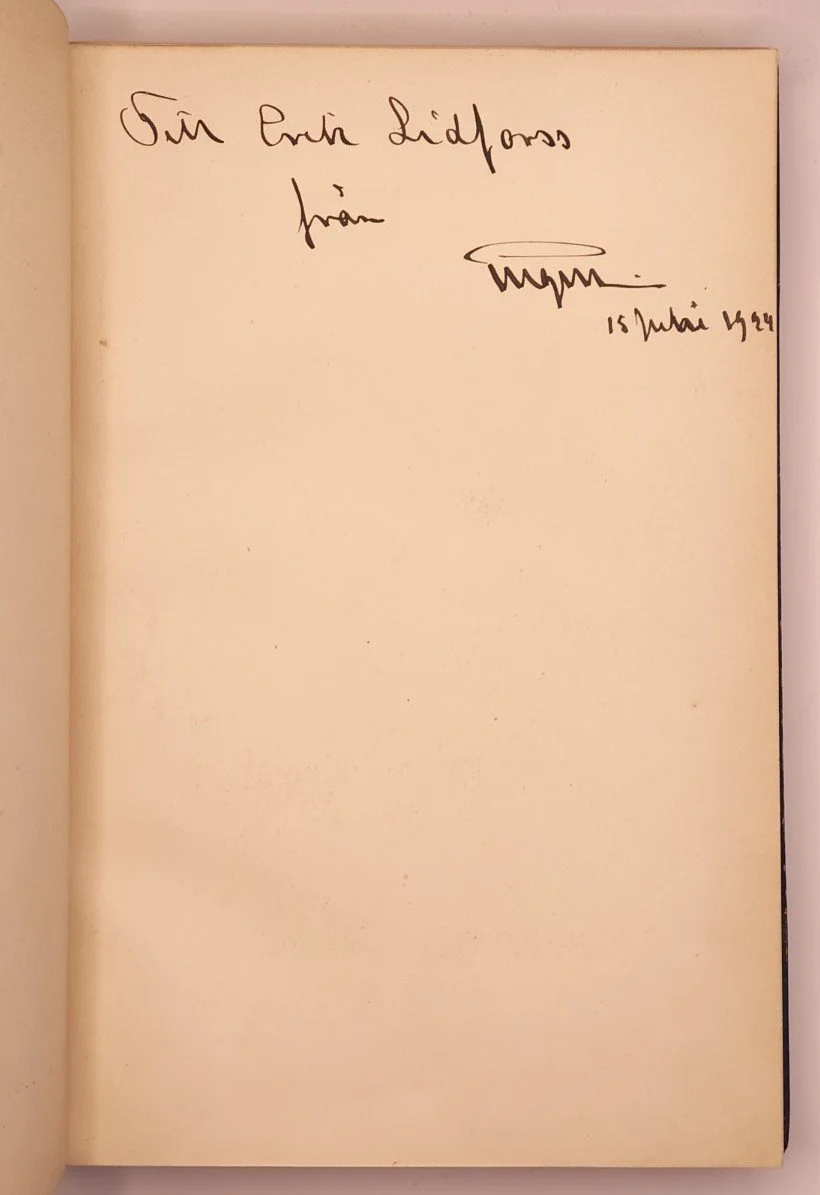 Image 1 of 10
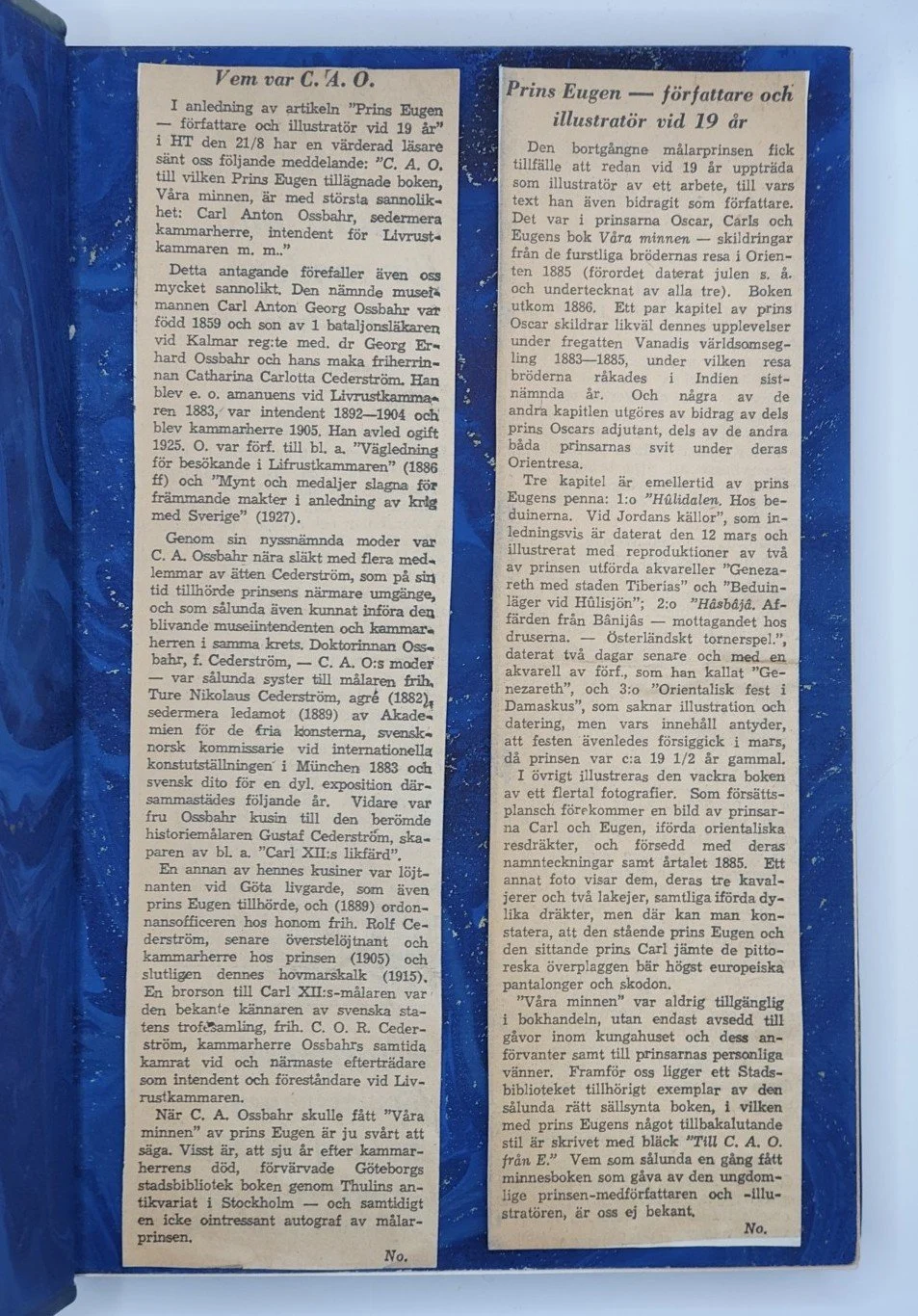 Image 2 of 10
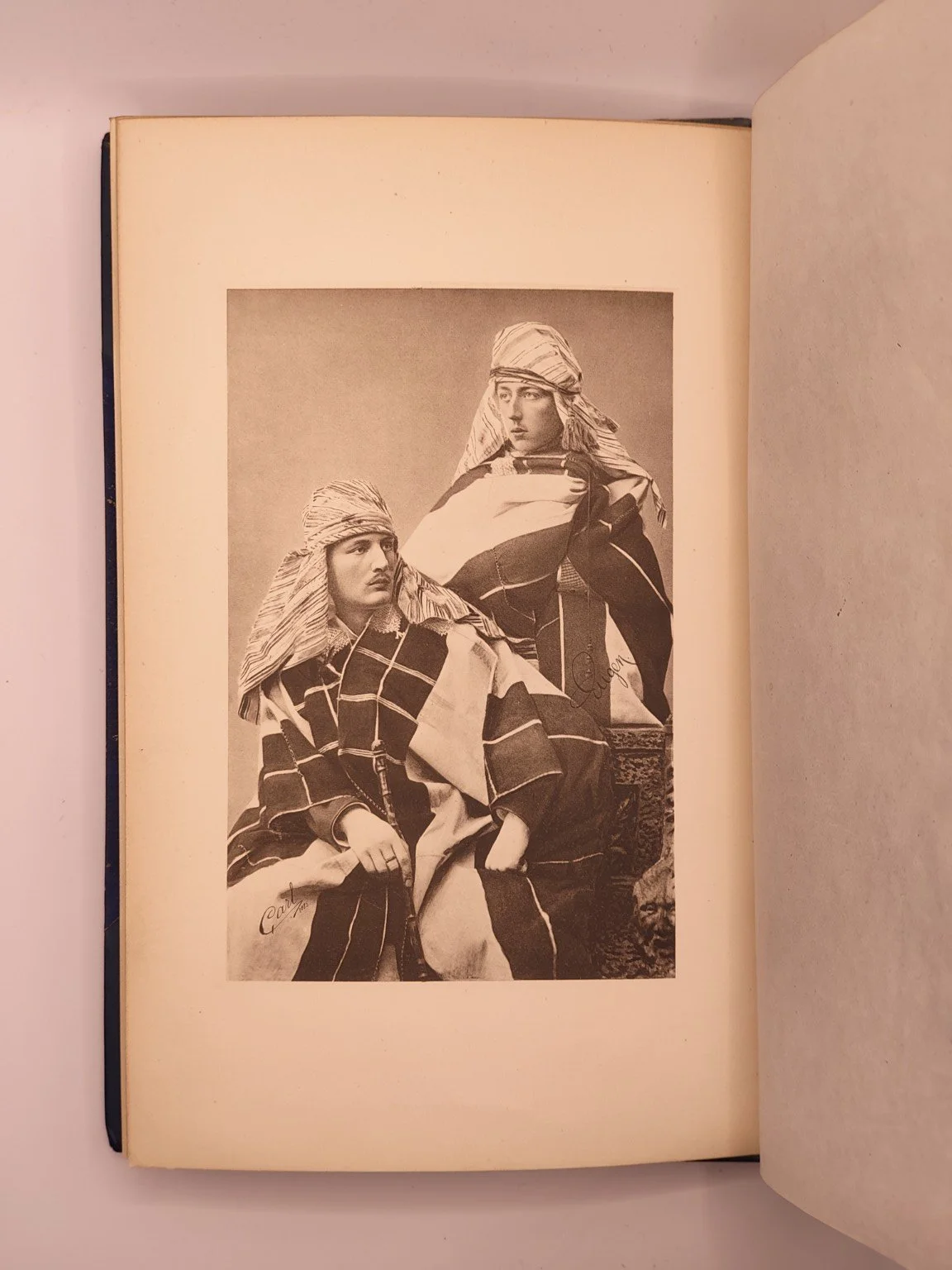 Image 3 of 10
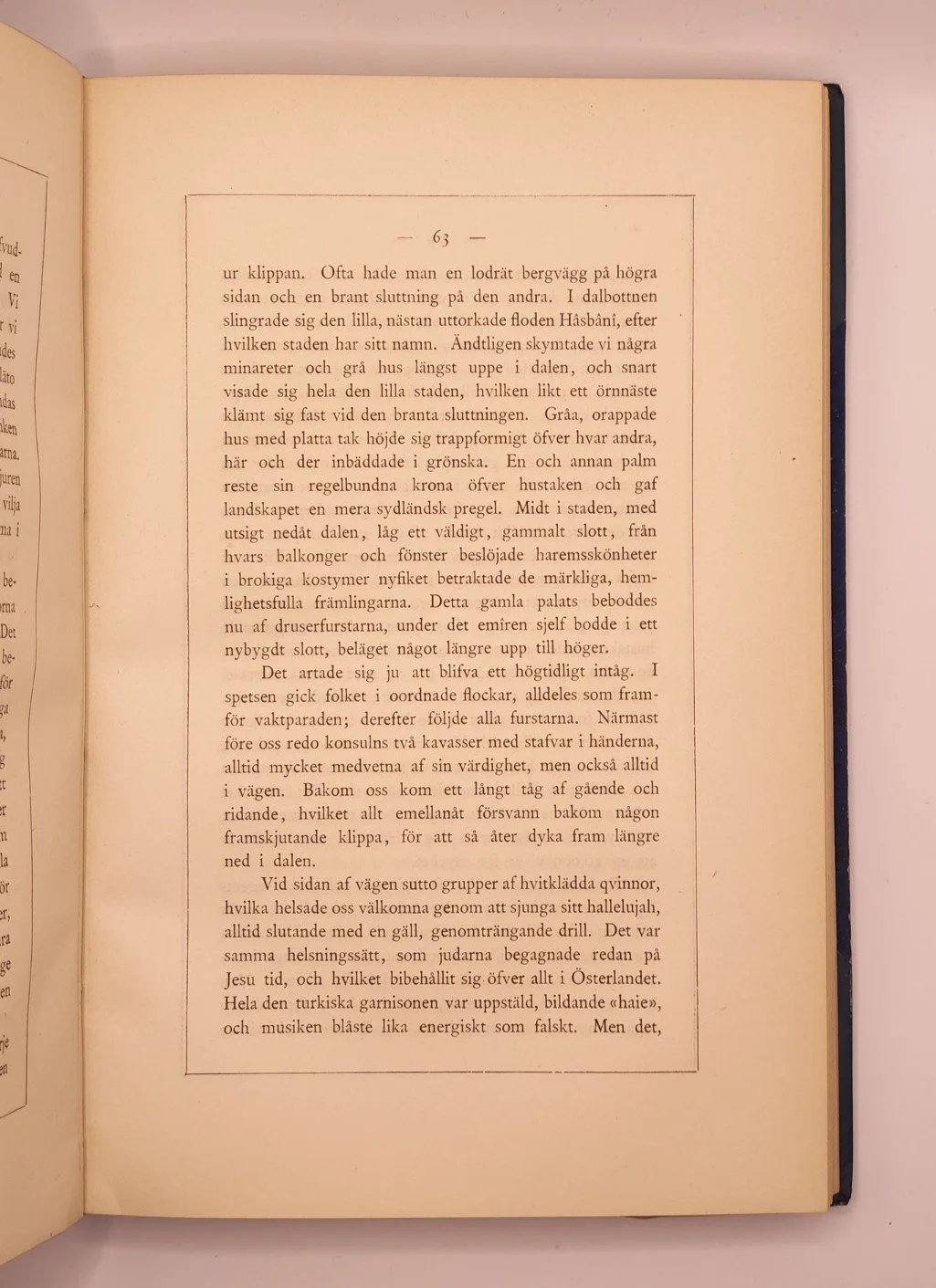 Image 4 of 10
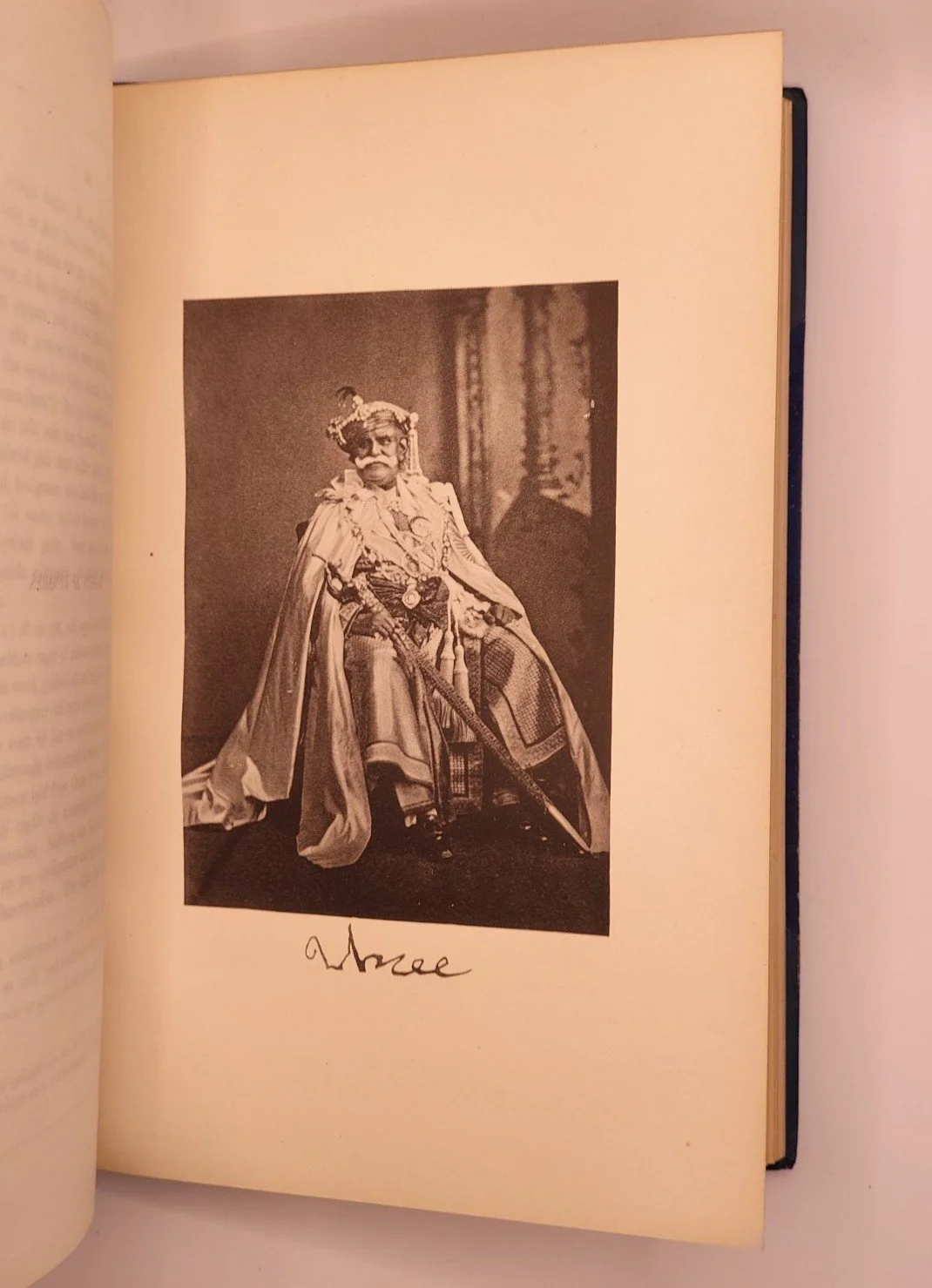 Image 5 of 10
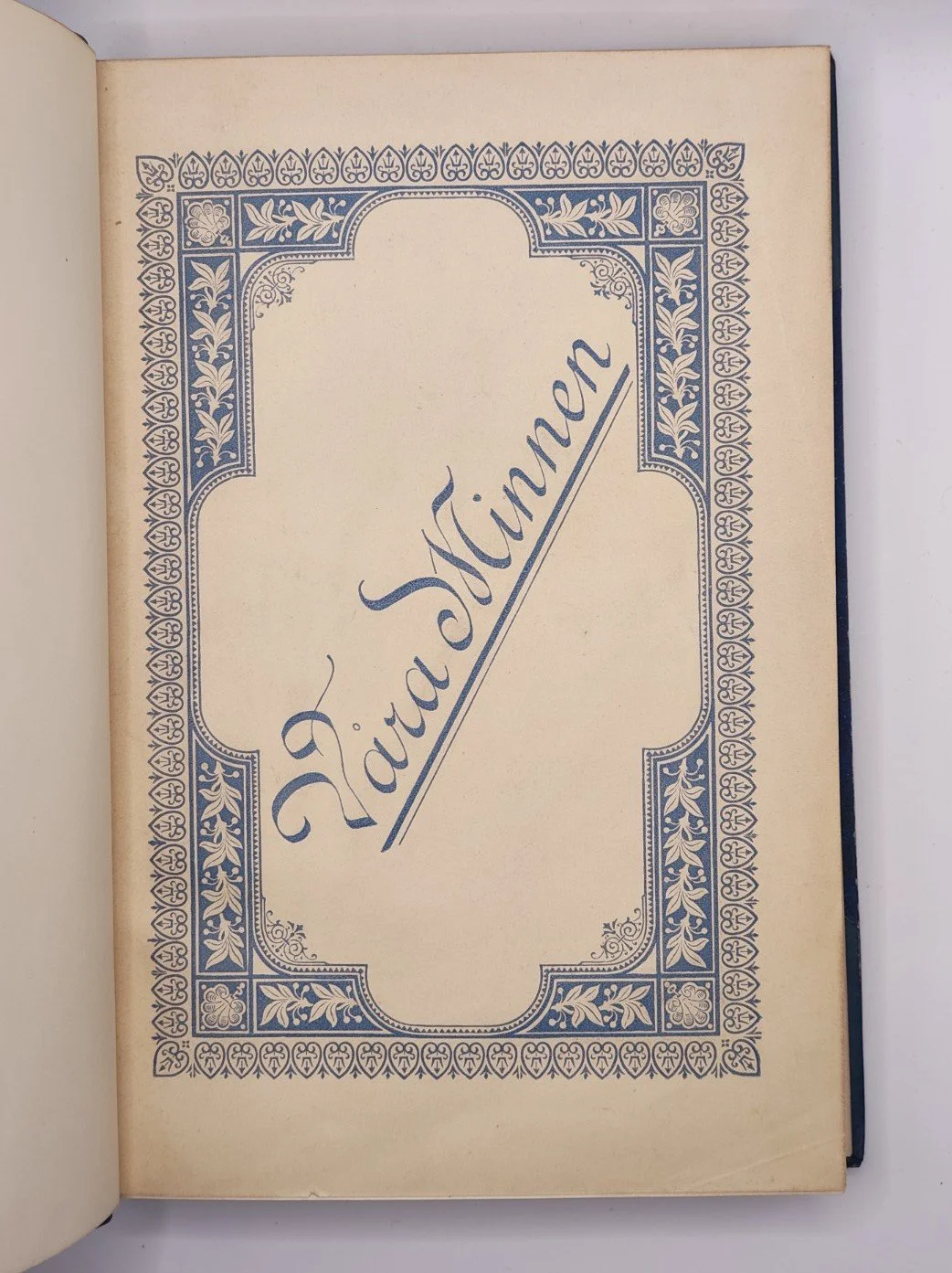 Image 6 of 10
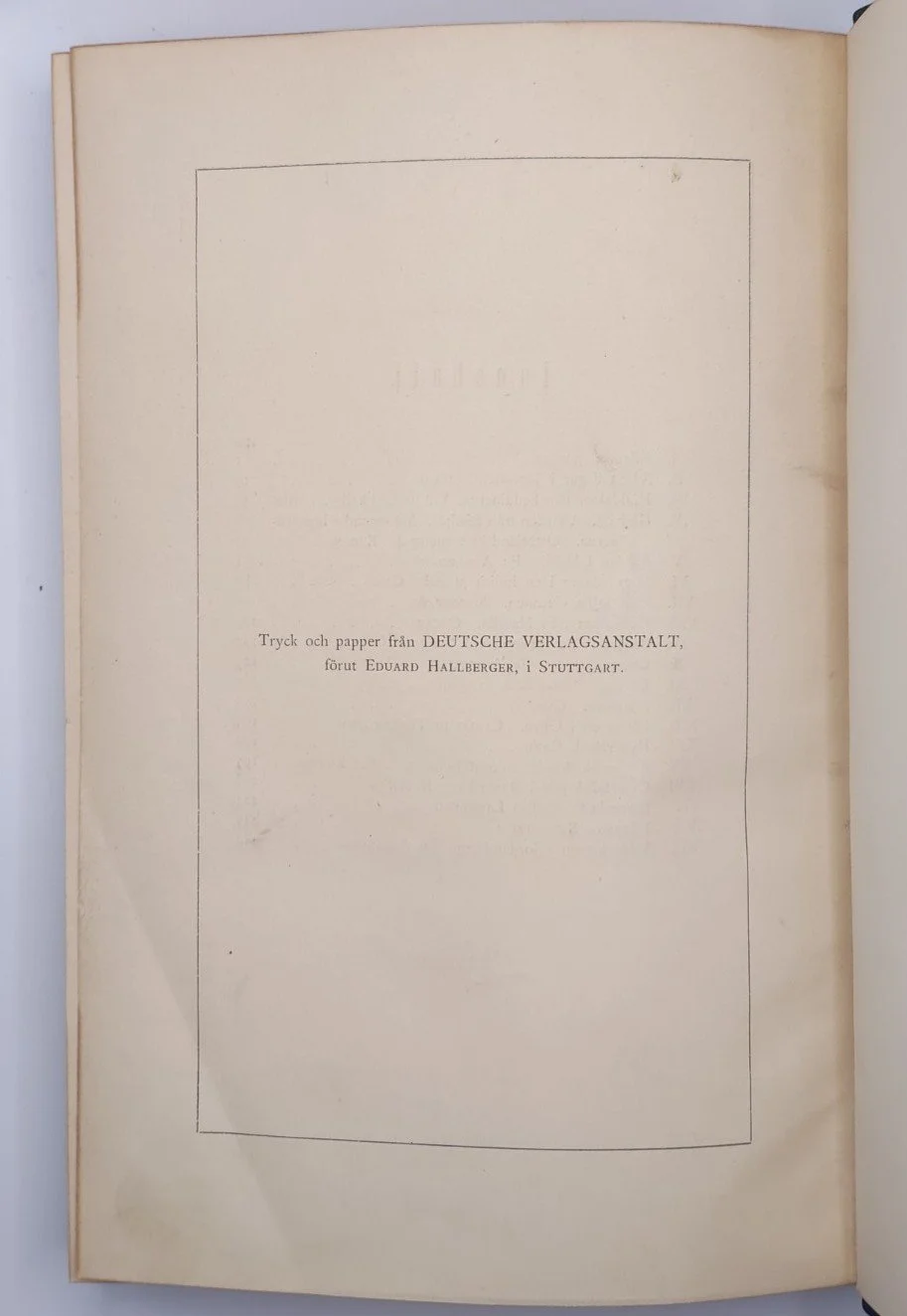 Image 7 of 10
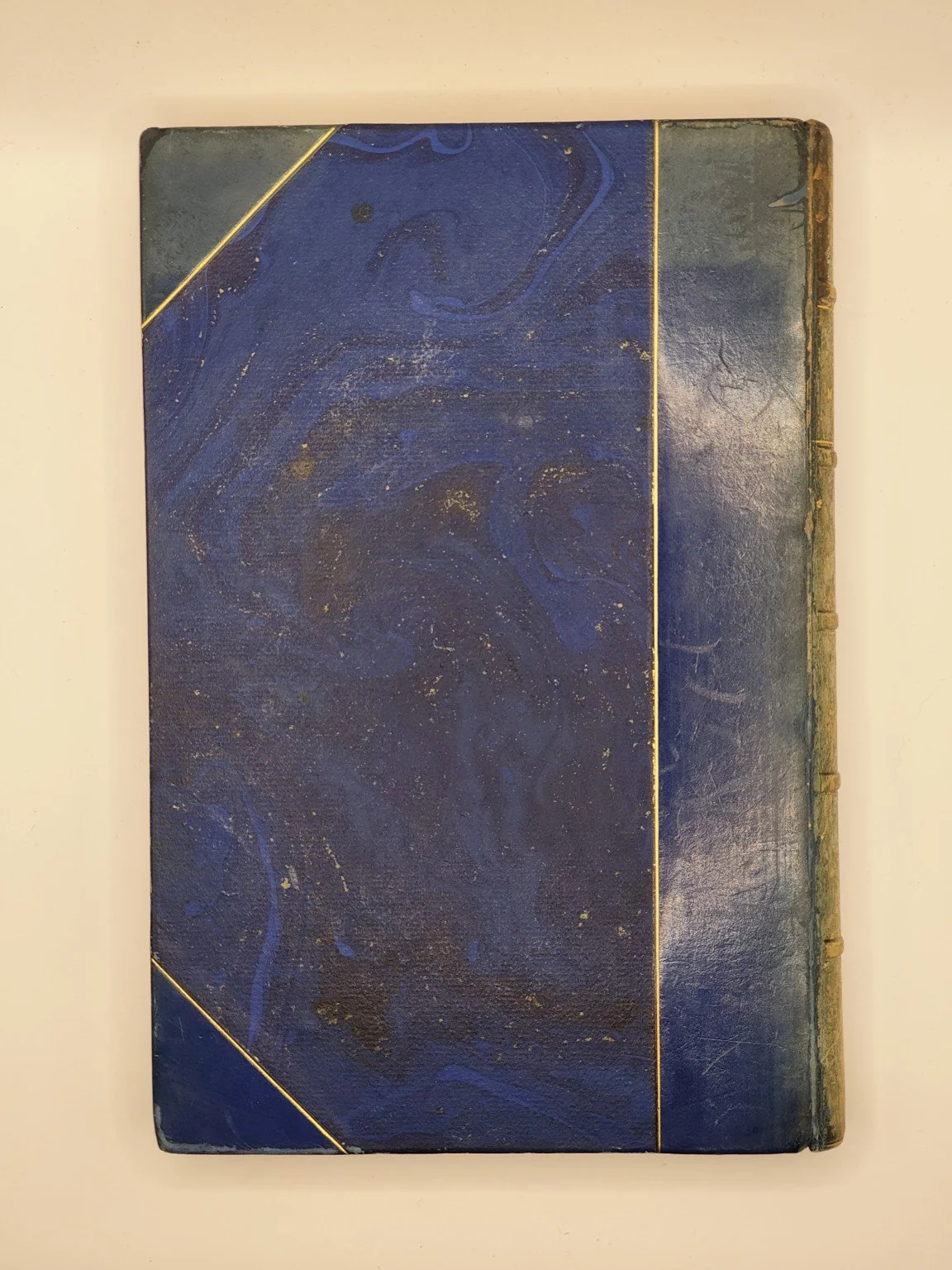 Image 8 of 10
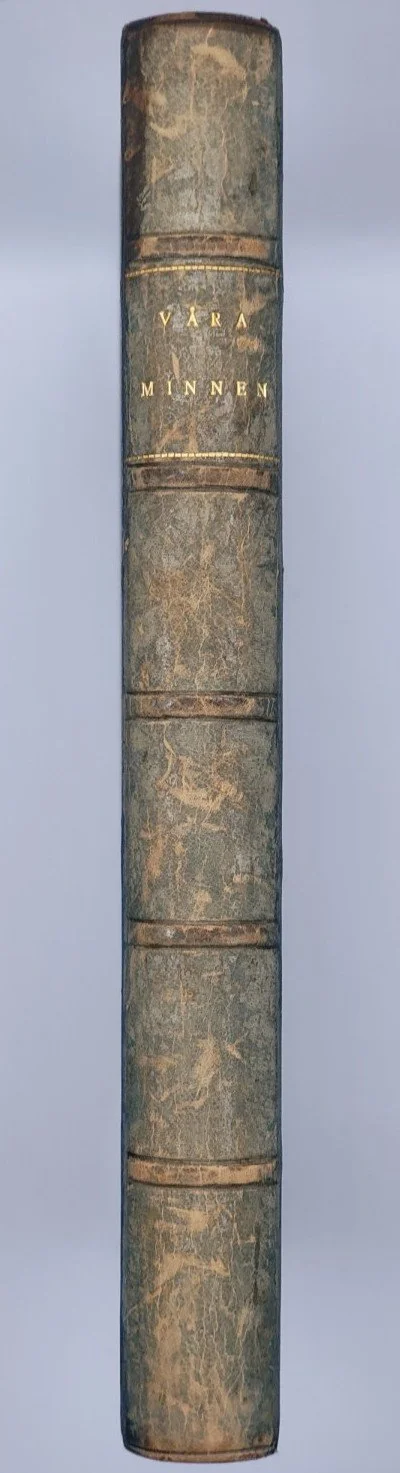 Image 9 of 10
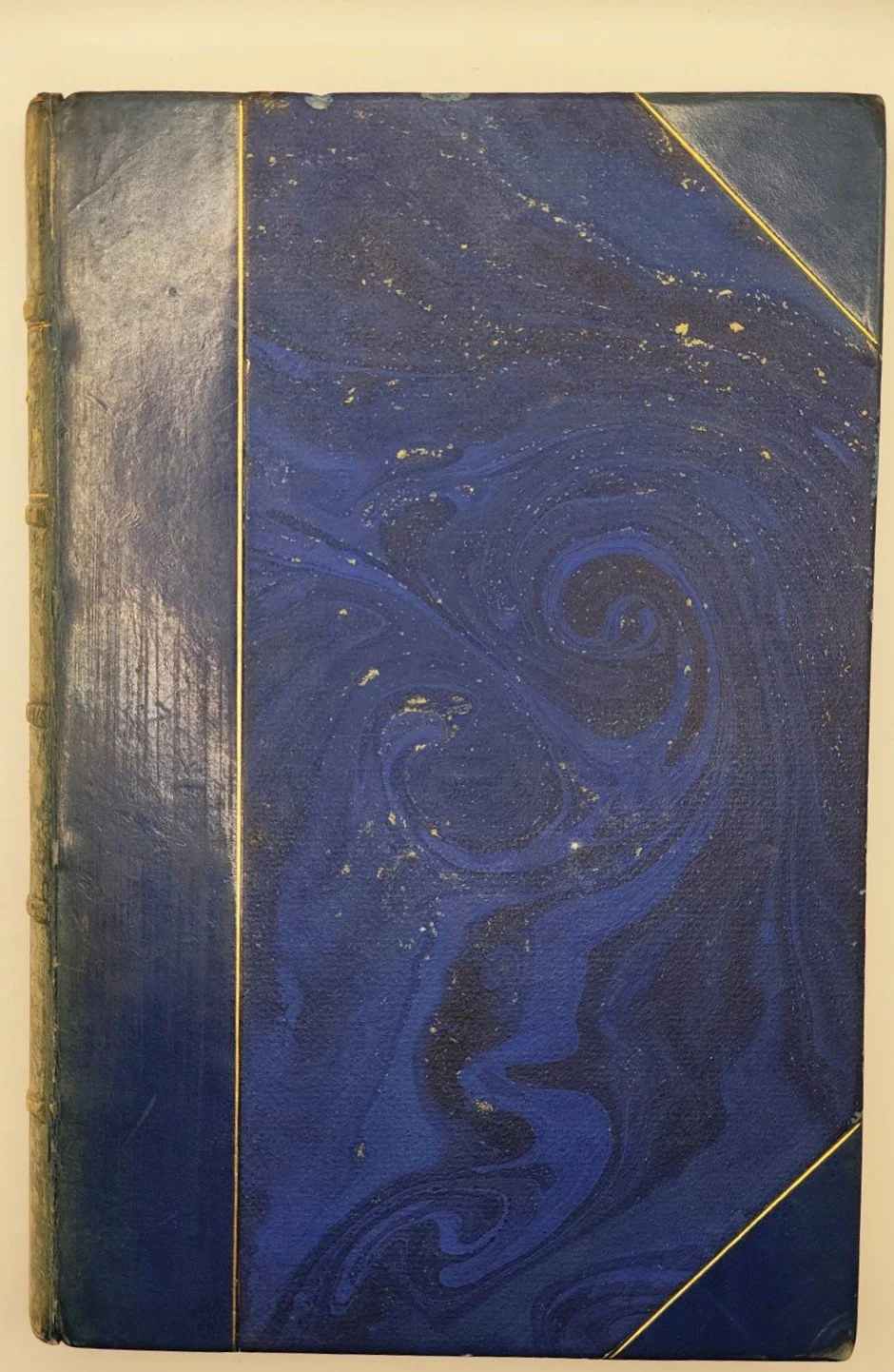 Image 10 of 10