Introduction
This 1890 edition of The Vicar of Wakefield stands at the threshold of the Golden Age of illustration. It is the first collaboration between Oliver Goldsmiths classic eighteenth century novel and the young Irish illustrator Hugh Thomson, whose decorative vision would soon come to define the illustrated gift book of the fin de siecle. The result is a volume that presents a beloved narrative through a newly imagined visual world. The story becomes simultaneously pastoral, humorous and ornamental, filtered through the instantly recognisable elegance of Thomsons hand.
The Edition
Macmillan’s 1890 printing inaugurated a series of richly illustrated gift editions that combined fine printing, ornamental cloth bindings and an almost theatrical sense of visual charm. The dark blue cloth is adorned with an abundance of gilt floral motifs that rise and circle around the title, a pattern created specifically for this series. Time has rendered the gold a soft, luminous tone that contrasts beautifully with the depth of the cloth.
Inside, Thomsons illustrations appear not as isolated embellishments but as an integral part of the reading experience. Full page plates present the characters in moments of calm, mischief or domestic ceremony. Smaller drawings weave through the text and settle into its margins. They create a gentle rhythm that shifts the novel from simple narrative into visual performance. The printed dedication to Austin Dobson, placed at the opening of the book, underlines its character as an artistic partnership between writer, illustrator and poet.
Historical Context
The appearance of this edition marks an important development in British book design of the late nineteenth century. Publishers such as Macmillan sought to rejuvenate classic literature by presenting it in handsome new formats that appealed to collectors and gift buyers. Thomson emerged as one of the movement’s most influential illustrators, his line work blending Regency nostalgia with modern decorative clarity.
Goldsmith’s novel, with its balance of sentiment and satire, proved an ideal companion for Thomsons vision. The result is a meeting point between eighteenth century literary culture and late Victorian artistic sensibility. This 1890 edition embodies the moment when illustration, binding design and text were conceived as a unified aesthetic whole.
Condition and Provenance
The present copy retains its richly gilt binding with pleasing brightness and a sound internal structure. The pages are clean, with only light evidence of careful use. A handwritten ownership note dated London 1949 adds a quiet record of the book’s passage through time. It remains an evocative example of Macmillan’s early illustrated productions and an attractive representative of Thomsons maturing style.
Significance
For collectors of illustrated literature, this 1890 edition is more than an early printing. It is the moment Hugh Thomson transformed a familiar novel into a visual artefact that would shape the character of British illustrated books for decades. It captures the optimism of late Victorian design, the revival of ornamental bookbinding and the convergence of literary tradition with new artistic interpretation.
Within the broader history of illustrated publishing, this volume remains a touchstone. It offers a complete and harmonious vision of what an illustrated classic could be in the years just before the twentieth century, and it continues to speak to readers who appreciate the delicate interplay between image, text and craftsmanship.
Introduction
This 1890 edition of The Vicar of Wakefield stands at the threshold of the Golden Age of illustration. It is the first collaboration between Oliver Goldsmiths classic eighteenth century novel and the young Irish illustrator Hugh Thomson, whose decorative vision would soon come to define the illustrated gift book of the fin de siecle. The result is a volume that presents a beloved narrative through a newly imagined visual world. The story becomes simultaneously pastoral, humorous and ornamental, filtered through the instantly recognisable elegance of Thomsons hand.
The Edition
Macmillan’s 1890 printing inaugurated a series of richly illustrated gift editions that combined fine printing, ornamental cloth bindings and an almost theatrical sense of visual charm. The dark blue cloth is adorned with an abundance of gilt floral motifs that rise and circle around the title, a pattern created specifically for this series. Time has rendered the gold a soft, luminous tone that contrasts beautifully with the depth of the cloth.
Inside, Thomsons illustrations appear not as isolated embellishments but as an integral part of the reading experience. Full page plates present the characters in moments of calm, mischief or domestic ceremony. Smaller drawings weave through the text and settle into its margins. They create a gentle rhythm that shifts the novel from simple narrative into visual performance. The printed dedication to Austin Dobson, placed at the opening of the book, underlines its character as an artistic partnership between writer, illustrator and poet.
Historical Context
The appearance of this edition marks an important development in British book design of the late nineteenth century. Publishers such as Macmillan sought to rejuvenate classic literature by presenting it in handsome new formats that appealed to collectors and gift buyers. Thomson emerged as one of the movement’s most influential illustrators, his line work blending Regency nostalgia with modern decorative clarity.
Goldsmith’s novel, with its balance of sentiment and satire, proved an ideal companion for Thomsons vision. The result is a meeting point between eighteenth century literary culture and late Victorian artistic sensibility. This 1890 edition embodies the moment when illustration, binding design and text were conceived as a unified aesthetic whole.
Condition and Provenance
The present copy retains its richly gilt binding with pleasing brightness and a sound internal structure. The pages are clean, with only light evidence of careful use. A handwritten ownership note dated London 1949 adds a quiet record of the book’s passage through time. It remains an evocative example of Macmillan’s early illustrated productions and an attractive representative of Thomsons maturing style.
Significance
For collectors of illustrated literature, this 1890 edition is more than an early printing. It is the moment Hugh Thomson transformed a familiar novel into a visual artefact that would shape the character of British illustrated books for decades. It captures the optimism of late Victorian design, the revival of ornamental bookbinding and the convergence of literary tradition with new artistic interpretation.
Within the broader history of illustrated publishing, this volume remains a touchstone. It offers a complete and harmonious vision of what an illustrated classic could be in the years just before the twentieth century, and it continues to speak to readers who appreciate the delicate interplay between image, text and craftsmanship.


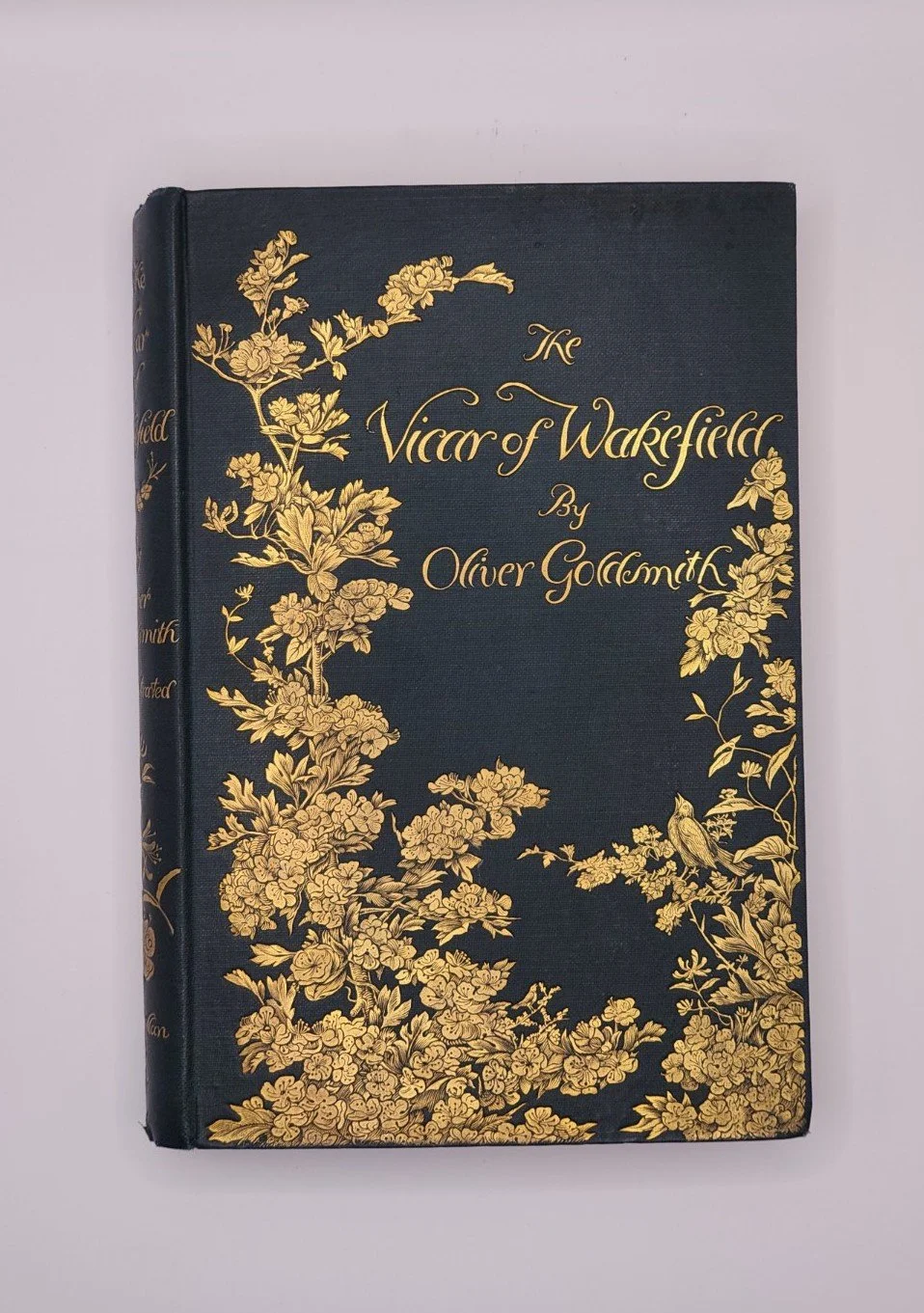 Image 1 of 9
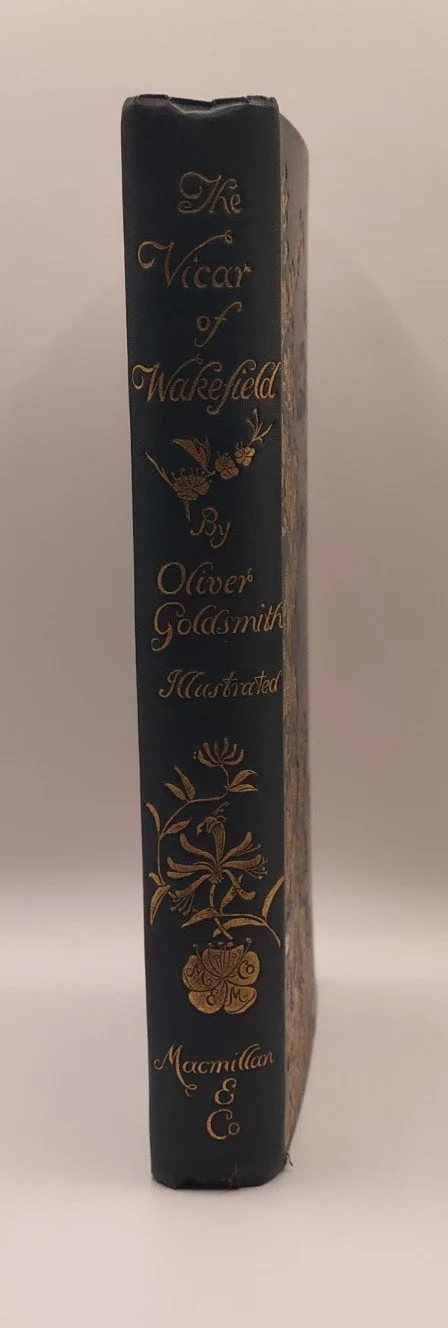 Image 2 of 9
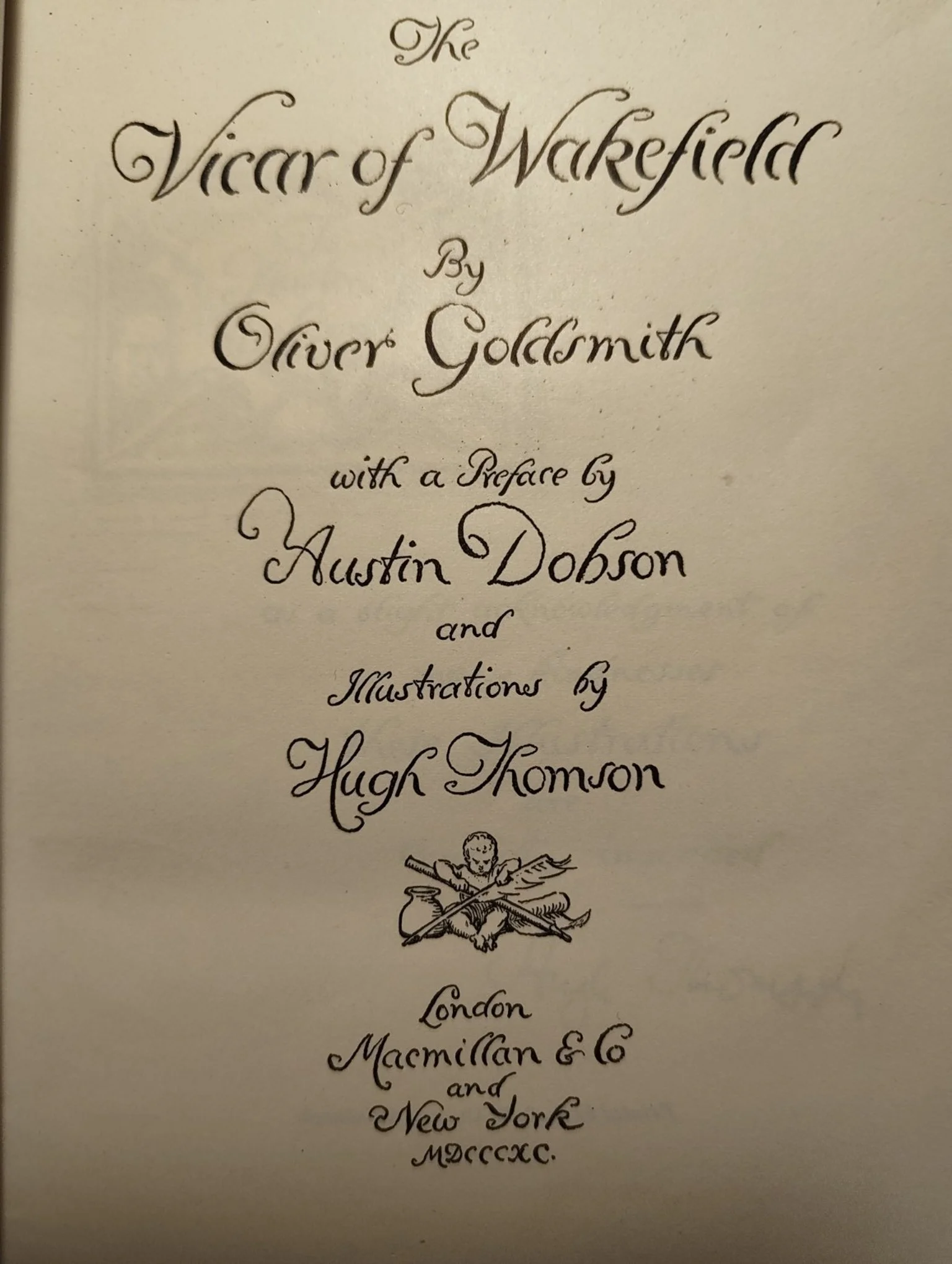 Image 3 of 9
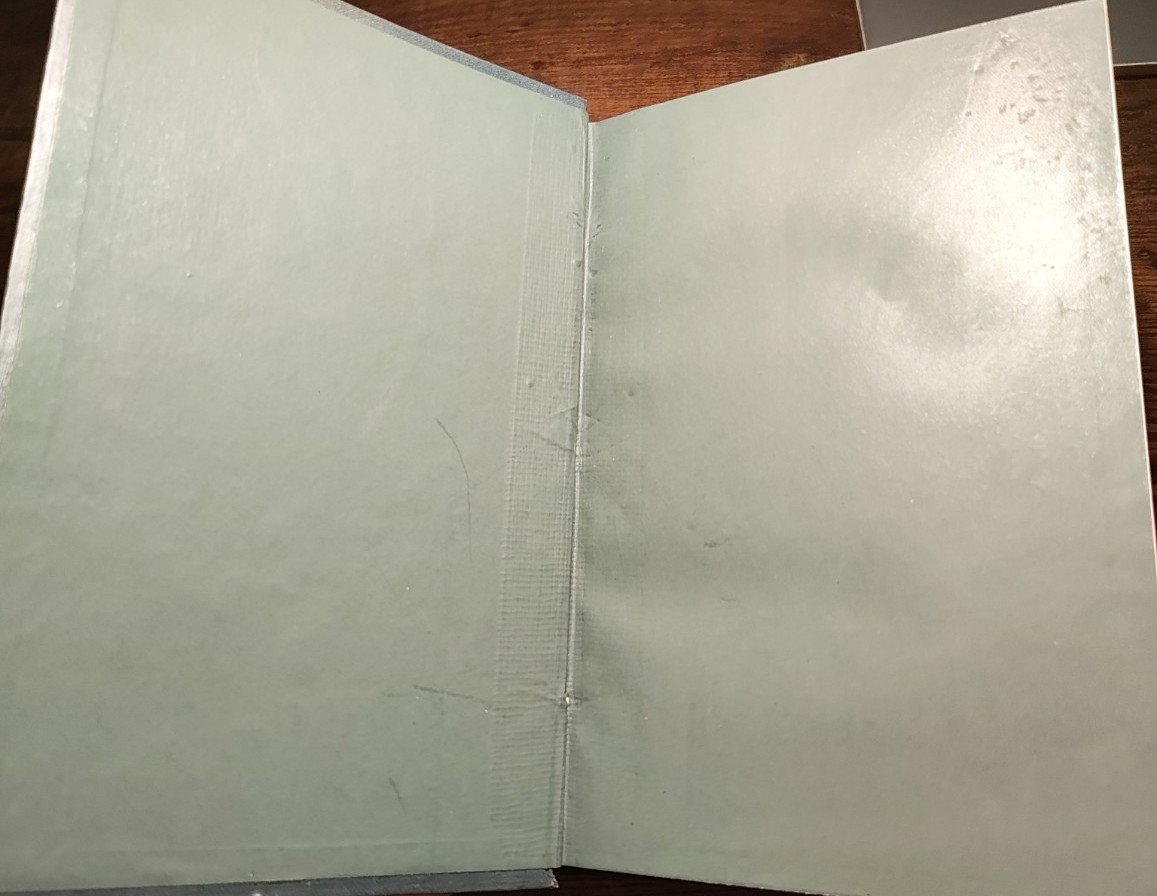 Image 4 of 9
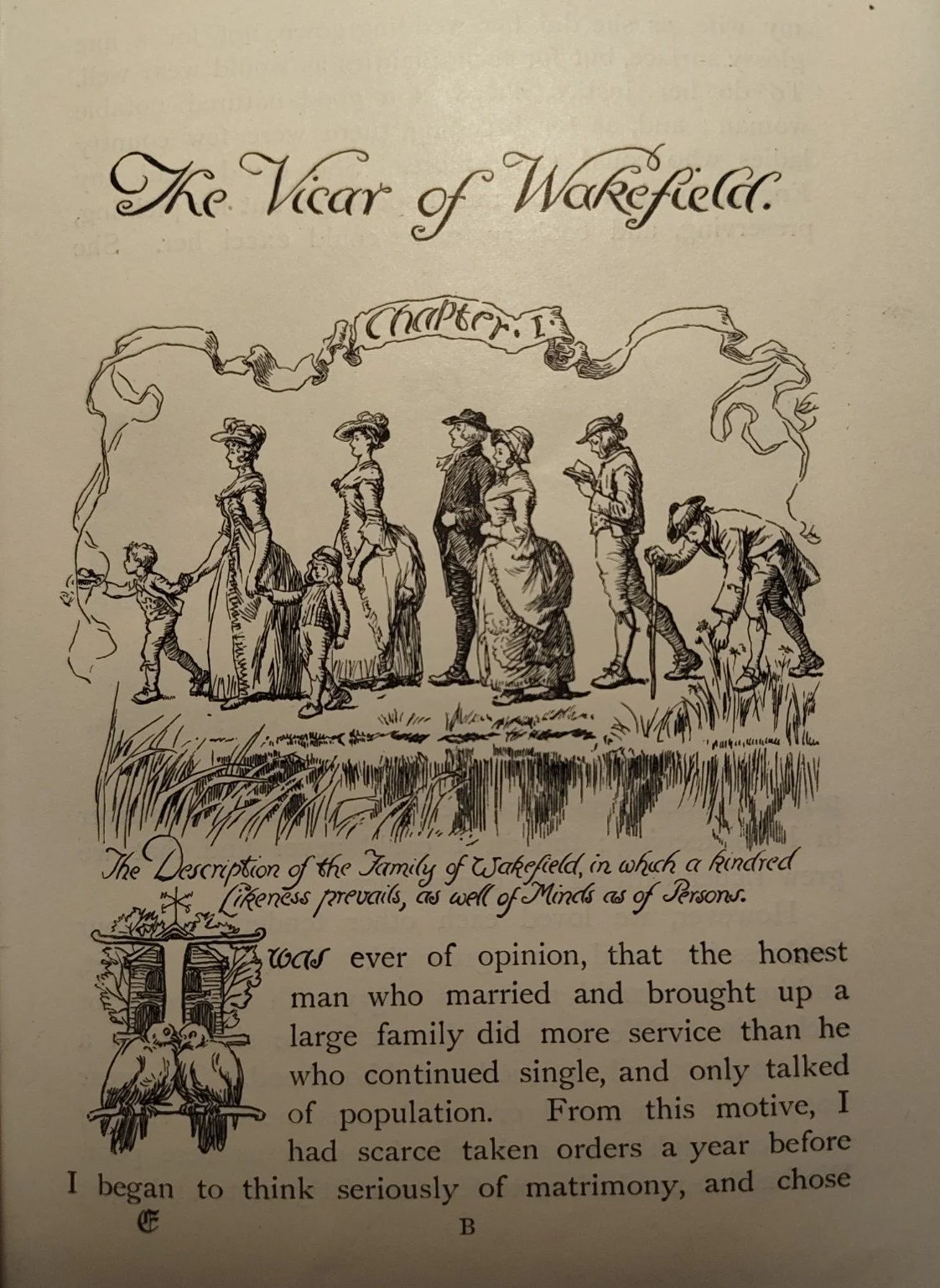 Image 5 of 9
 Image 6 of 9
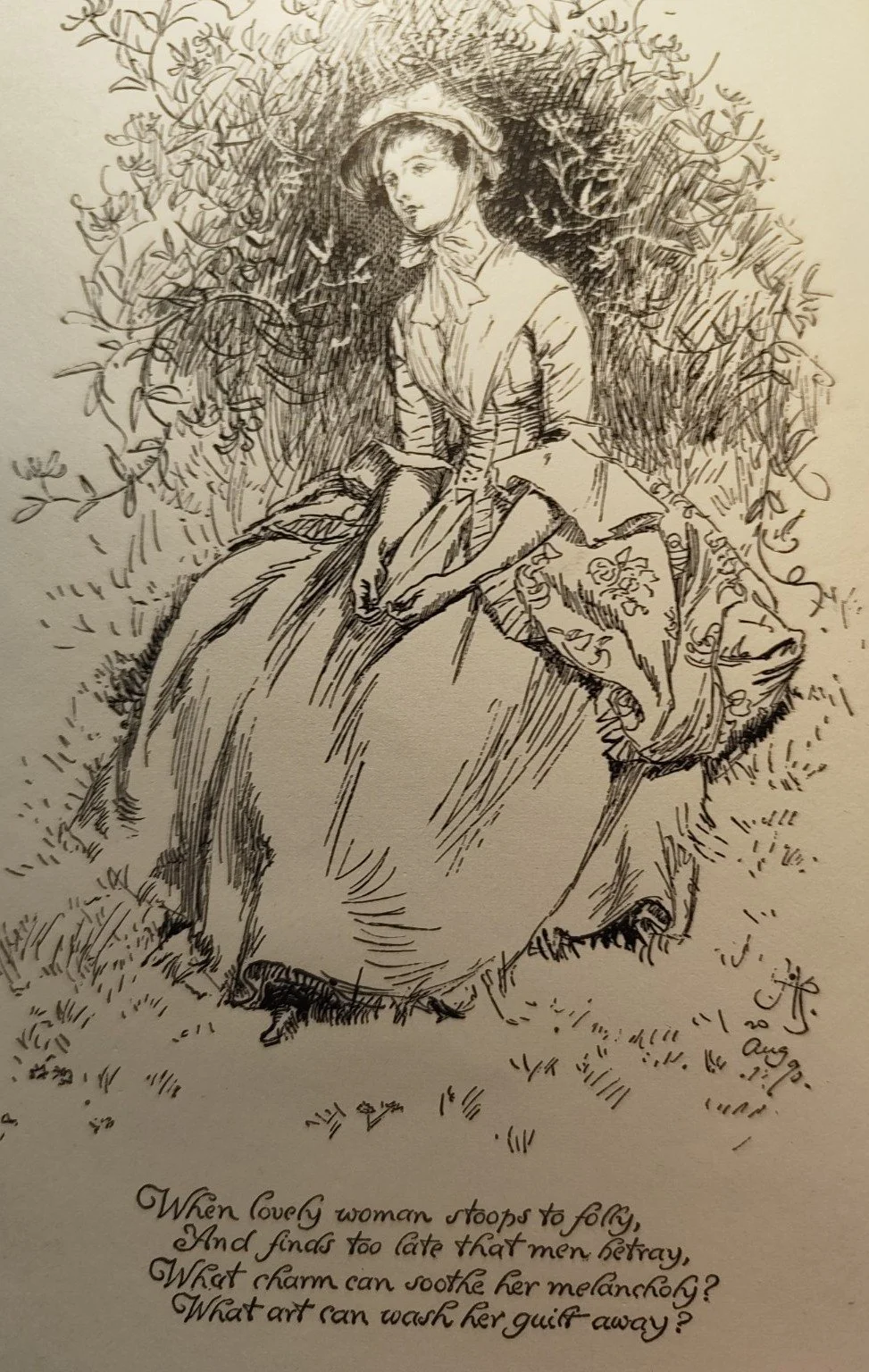 Image 7 of 9
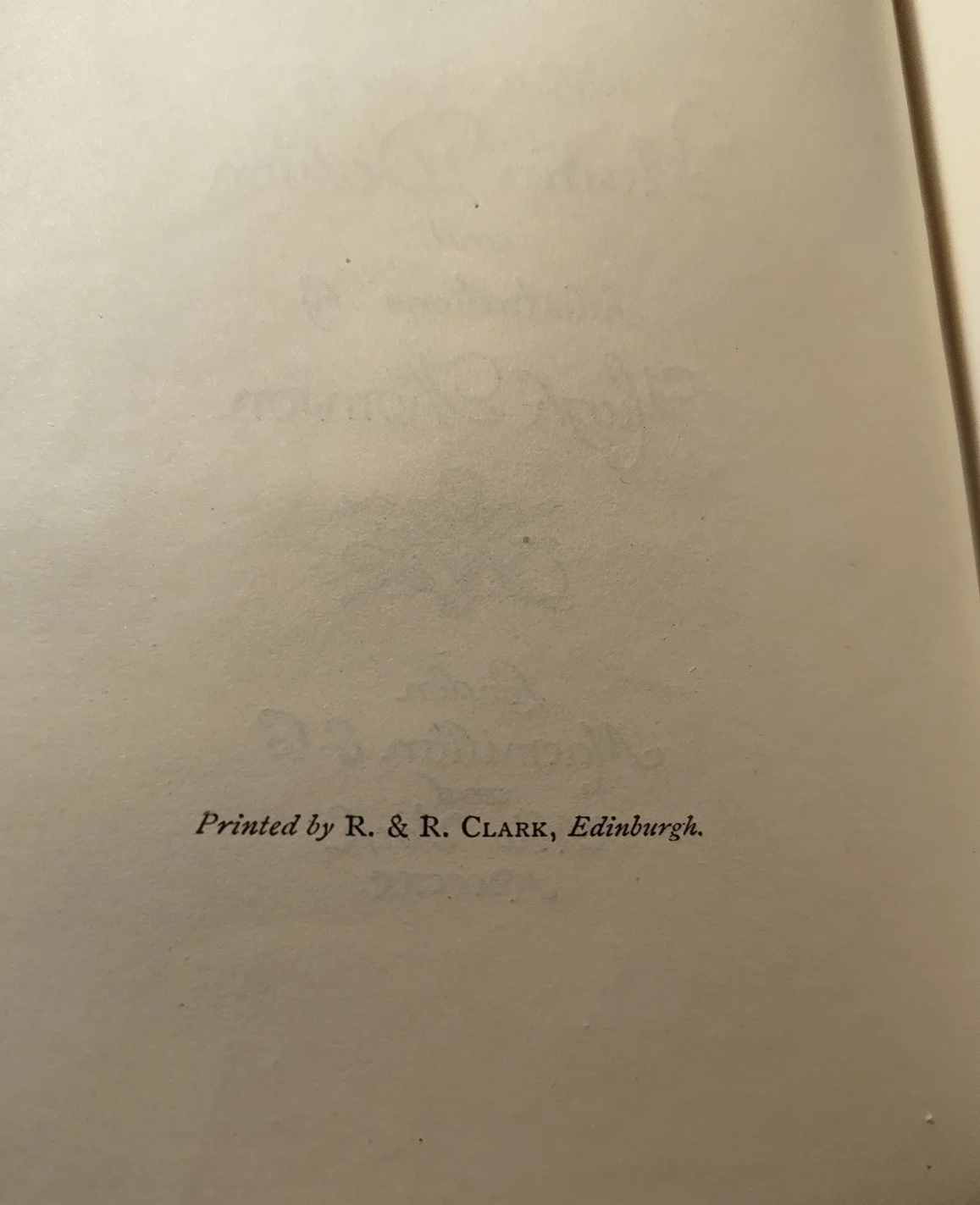 Image 8 of 9
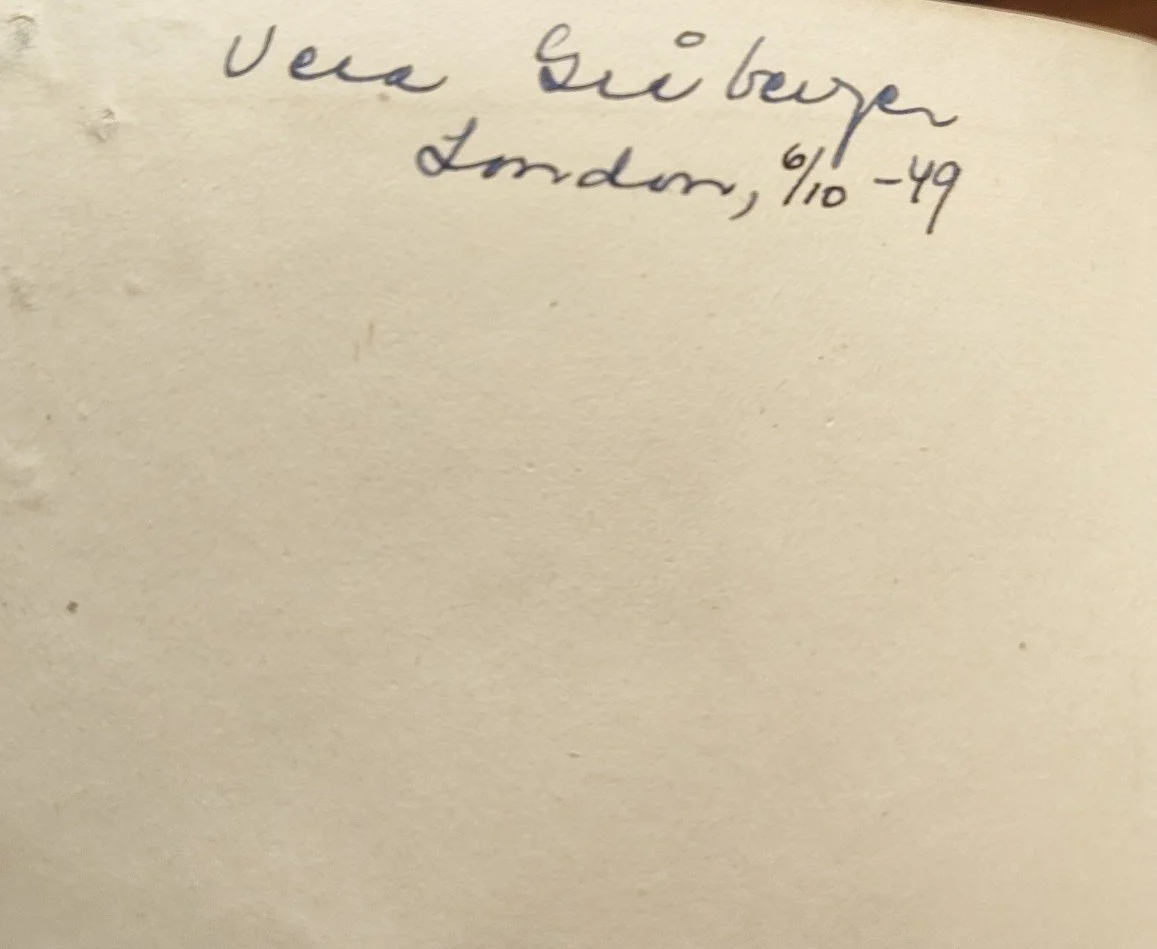 Image 9 of 9