Introduction
Révolutions de Portugal by René Aubert de Vertot is a vivid eighteenth-century historical account of the dramatic events that reshaped the Portuguese monarchy in the seventeenth century. First published in the early eighteenth century and widely reprinted thereafter, Vertot’s work narrates the uprising of 1640 in which Portugal broke away from Spanish rule and restored its independence under the House of Braganza. Written in an engaging narrative style rather than a purely academic tone, the book became one of the most widely read historical treatments of the Portuguese Restoration.
This 1768 Paris edition reflects the enduring popularity of Vertot’s work during the Enlightenment, when readers across Europe developed a growing appetite for accessible political histories. Copies such as this were intended for both education and private reading, offering a dramatic account of revolution, royal succession, and the reshaping of European power.
Physical description
Paris: Chez Brocas, 1768
Format: 12mo (small portable volume)
Contemporary mottled calf binding
Gilt-decorated spine with title label
Engraved frontispiece depicting events of the Portuguese uprising
Folding genealogical plate illustrating the royal lineage of the House of Braganza
Text printed in French
Complete example retaining both engraved elements
Moderate wear to binding consistent with age
Context
The Portuguese Restoration of 1640 marked a decisive moment in Iberian and European history. After sixty years of dynastic union with Spain, Portuguese nobles and political leaders revolted against Spanish authority and proclaimed João IV of the House of Braganza as king. This act restored Portuguese sovereignty and initiated a long struggle to secure independence.
Vertot’s history belongs to a broader Enlightenment tradition in which historical writing aimed not only to record events but also to interpret them for contemporary readers. His works on revolutions and political upheavals were widely read throughout the eighteenth century and translated into multiple languages. They combined narrative drama with moral and political reflection, making them popular among both scholars and educated general audiences.
Significance
Today, Révolutions de Portugal stands as an example of early modern historical writing that helped shape European understanding of political change. Beyond its textual importance, the book’s engraved frontispiece and genealogical chart visually situate the narrative within the dynastic history of the Portuguese crown.
As an eighteenth-century volume preserved in its original binding, this edition offers both historical and material interest. It reflects the period’s printing practices, the continued circulation of influential historical narratives, and the enduring fascination with the rise of the Braganza dynasty and Portugal’s return to independence.
Introduction
Révolutions de Portugal by René Aubert de Vertot is a vivid eighteenth-century historical account of the dramatic events that reshaped the Portuguese monarchy in the seventeenth century. First published in the early eighteenth century and widely reprinted thereafter, Vertot’s work narrates the uprising of 1640 in which Portugal broke away from Spanish rule and restored its independence under the House of Braganza. Written in an engaging narrative style rather than a purely academic tone, the book became one of the most widely read historical treatments of the Portuguese Restoration.
This 1768 Paris edition reflects the enduring popularity of Vertot’s work during the Enlightenment, when readers across Europe developed a growing appetite for accessible political histories. Copies such as this were intended for both education and private reading, offering a dramatic account of revolution, royal succession, and the reshaping of European power.
Physical description
Paris: Chez Brocas, 1768
Format: 12mo (small portable volume)
Contemporary mottled calf binding
Gilt-decorated spine with title label
Engraved frontispiece depicting events of the Portuguese uprising
Folding genealogical plate illustrating the royal lineage of the House of Braganza
Text printed in French
Complete example retaining both engraved elements
Moderate wear to binding consistent with age
Context
The Portuguese Restoration of 1640 marked a decisive moment in Iberian and European history. After sixty years of dynastic union with Spain, Portuguese nobles and political leaders revolted against Spanish authority and proclaimed João IV of the House of Braganza as king. This act restored Portuguese sovereignty and initiated a long struggle to secure independence.
Vertot’s history belongs to a broader Enlightenment tradition in which historical writing aimed not only to record events but also to interpret them for contemporary readers. His works on revolutions and political upheavals were widely read throughout the eighteenth century and translated into multiple languages. They combined narrative drama with moral and political reflection, making them popular among both scholars and educated general audiences.
Significance
Today, Révolutions de Portugal stands as an example of early modern historical writing that helped shape European understanding of political change. Beyond its textual importance, the book’s engraved frontispiece and genealogical chart visually situate the narrative within the dynastic history of the Portuguese crown.
As an eighteenth-century volume preserved in its original binding, this edition offers both historical and material interest. It reflects the period’s printing practices, the continued circulation of influential historical narratives, and the enduring fascination with the rise of the Braganza dynasty and Portugal’s return to independence.


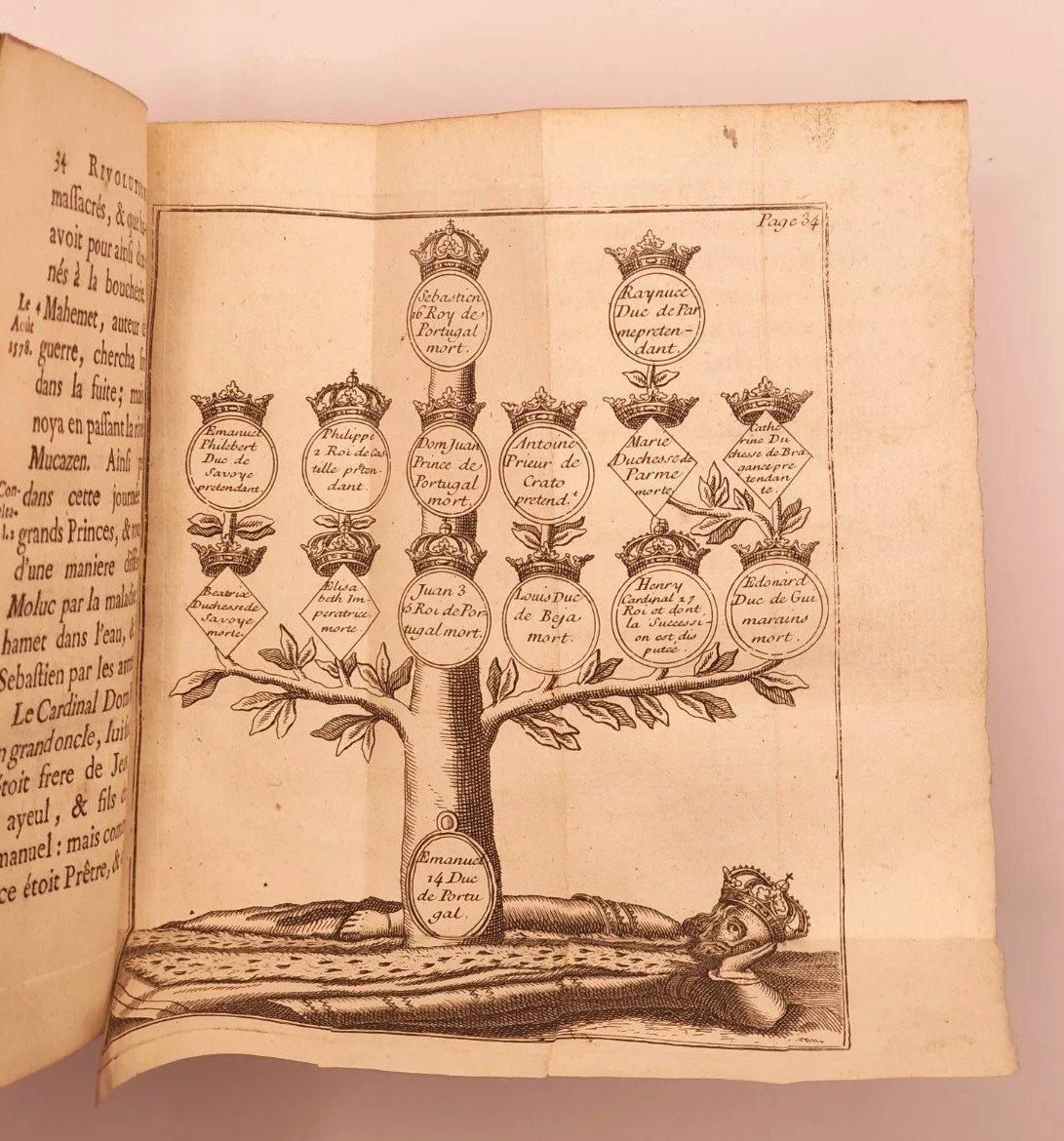 Image 1 of 8
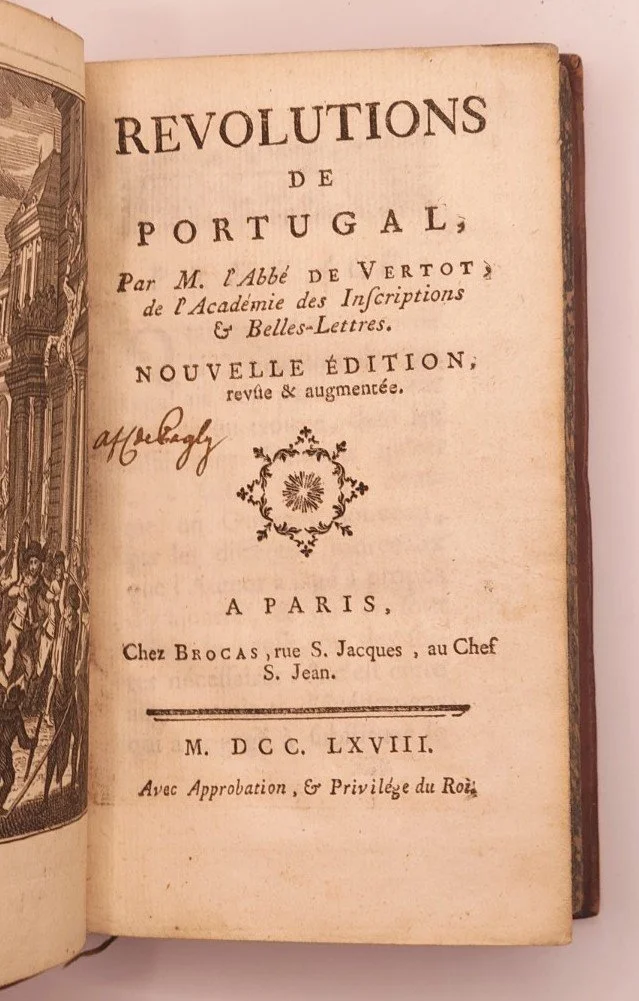 Image 2 of 8
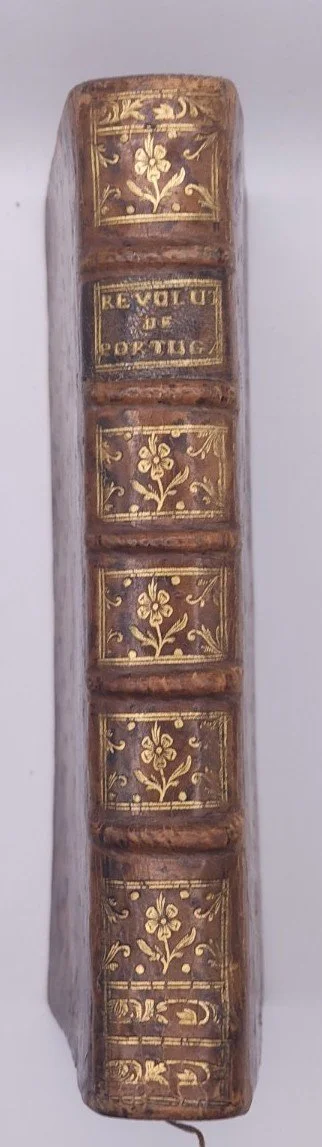 Image 3 of 8
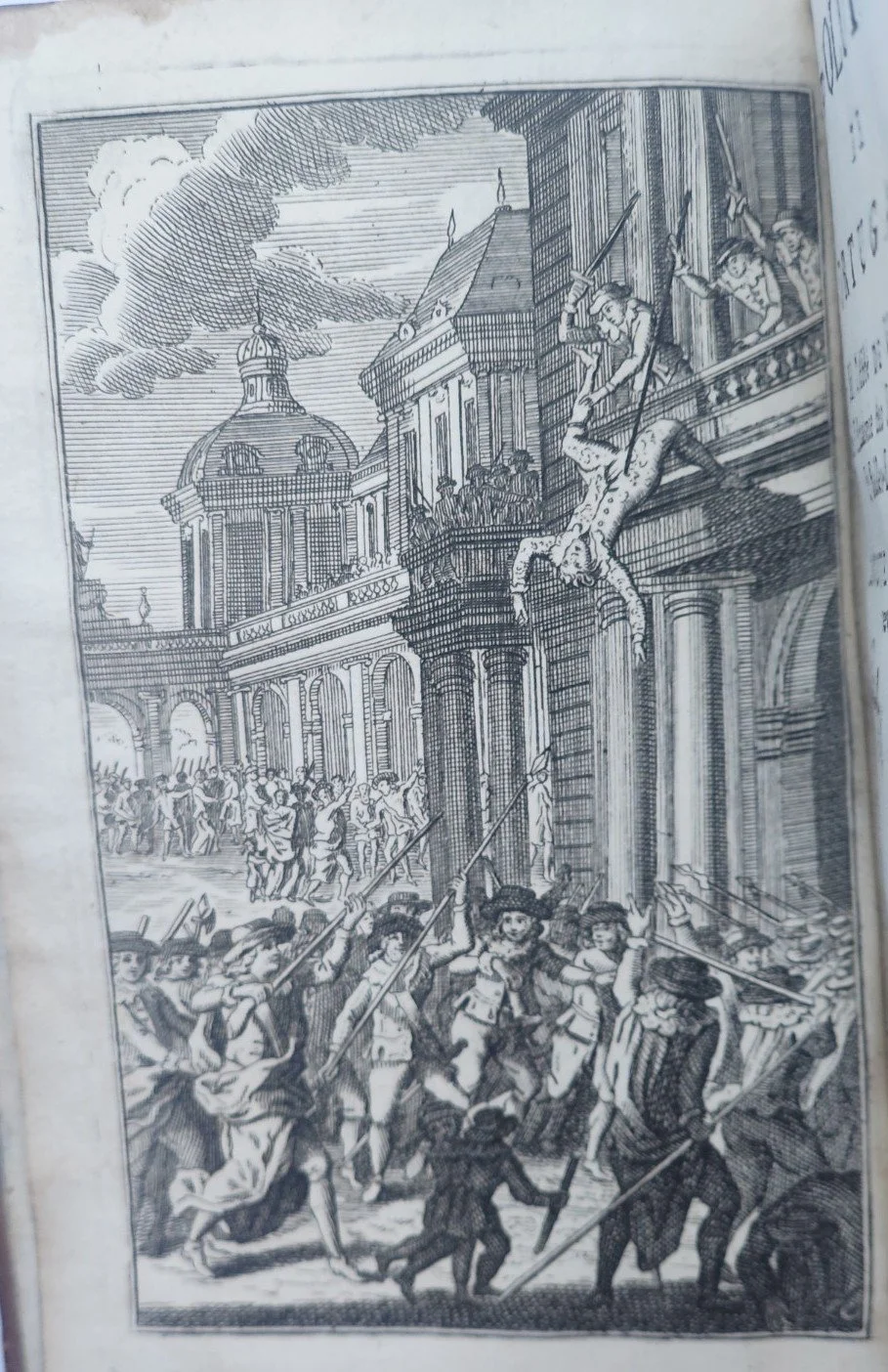 Image 4 of 8
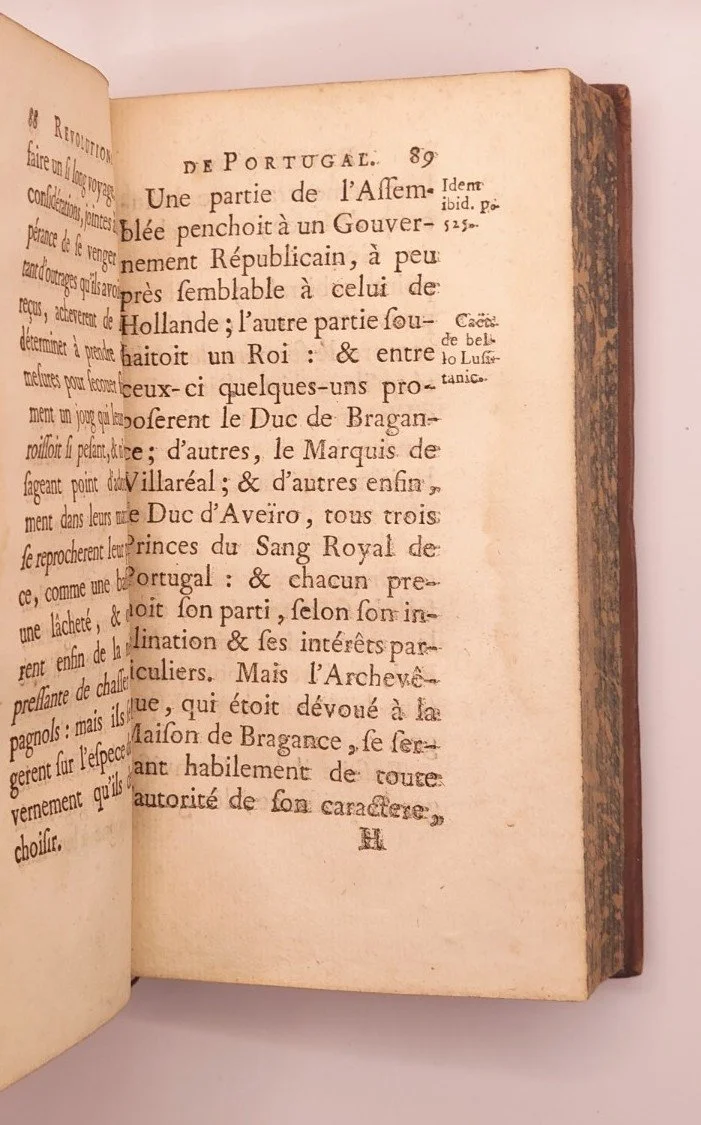 Image 5 of 8
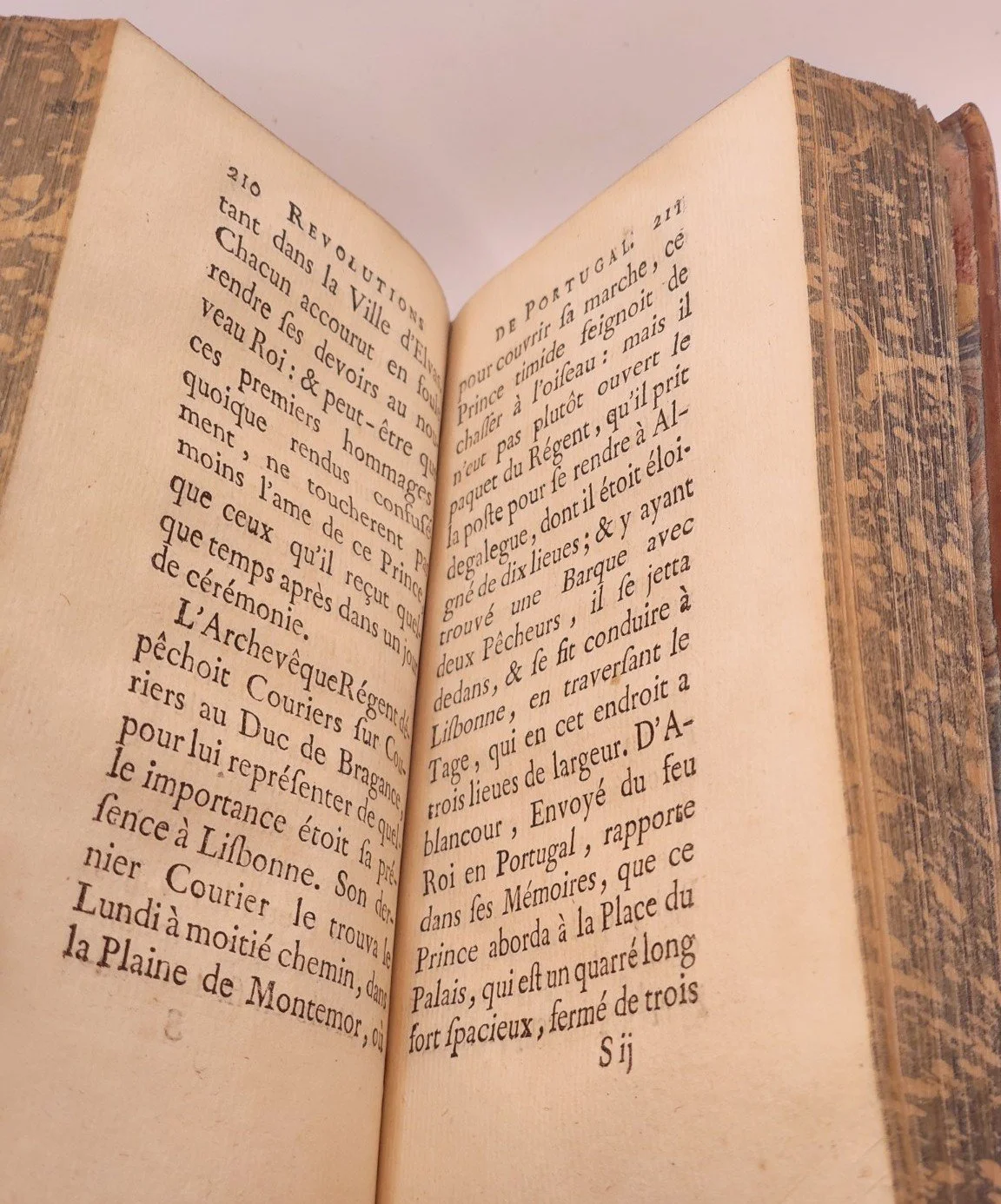 Image 6 of 8
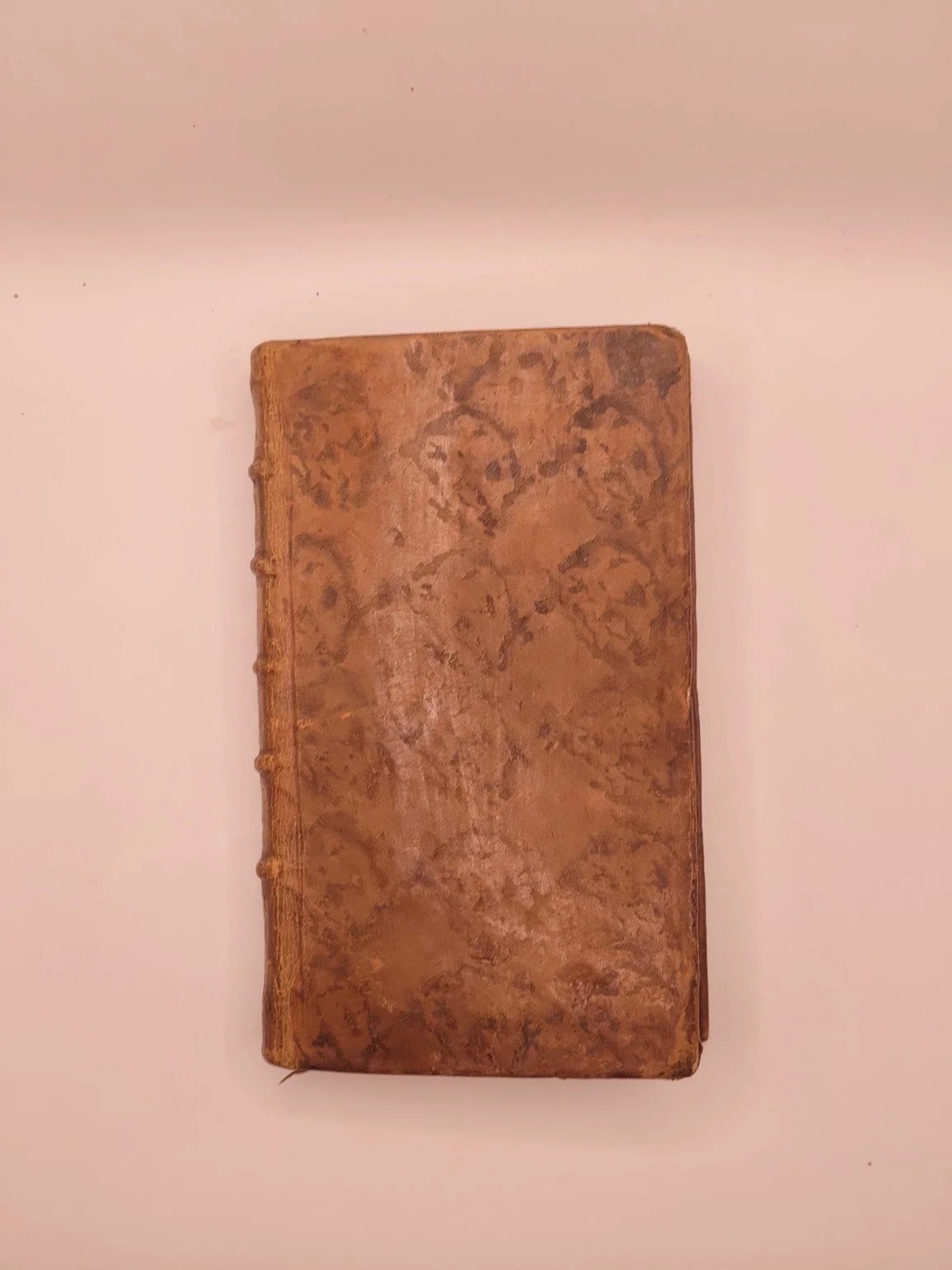 Image 7 of 8
 Image 8 of 8