This volume marks a pivotal moment in the history of classical philology. It brings together the surviving fragments of Menander and Philemon as they were known in the early eighteenth century, edited and annotated by two of the most influential figures of the Republic of Letters, Hugo Grotius and Jean Le Clerc. Before the papyrus discoveries of the nineteenth century, this edition constituted the authoritative textual foundation for the study of Greek New Comedy.
Printed in Amsterdam by Thomas Lombrail in 1709, the work presents the Greek text with a facing Latin translation, accompanied by extensive scholarly commentary. The two engraved frontispiece portraits, depicting Menander and Philemon, function both as learned likenesses and as visual affirmations of classical authority within early modern book culture.
The present copy is bound in contemporary full calf, with a richly gilt spine and raised bands. The edges are red speckled, a detail that reflects the book’s original status as a serious scholarly tool rather than a purely decorative object. Former institutional provenance, documented by a duplicate stamp from Uppsala University Library, adds a further layer of intellectual history and recorded use.
Seen as a book, this is more than a textual edition. It is a witness to the way antiquity was transmitted, interpreted, and stabilised before the emergence of modern philology. For collectors of classical literature, humanist scholarship, and early modern book history, this volume represents a concentrated expression of both textual and material significance.
This volume marks a pivotal moment in the history of classical philology. It brings together the surviving fragments of Menander and Philemon as they were known in the early eighteenth century, edited and annotated by two of the most influential figures of the Republic of Letters, Hugo Grotius and Jean Le Clerc. Before the papyrus discoveries of the nineteenth century, this edition constituted the authoritative textual foundation for the study of Greek New Comedy.
Printed in Amsterdam by Thomas Lombrail in 1709, the work presents the Greek text with a facing Latin translation, accompanied by extensive scholarly commentary. The two engraved frontispiece portraits, depicting Menander and Philemon, function both as learned likenesses and as visual affirmations of classical authority within early modern book culture.
The present copy is bound in contemporary full calf, with a richly gilt spine and raised bands. The edges are red speckled, a detail that reflects the book’s original status as a serious scholarly tool rather than a purely decorative object. Former institutional provenance, documented by a duplicate stamp from Uppsala University Library, adds a further layer of intellectual history and recorded use.
Seen as a book, this is more than a textual edition. It is a witness to the way antiquity was transmitted, interpreted, and stabilised before the emergence of modern philology. For collectors of classical literature, humanist scholarship, and early modern book history, this volume represents a concentrated expression of both textual and material significance.


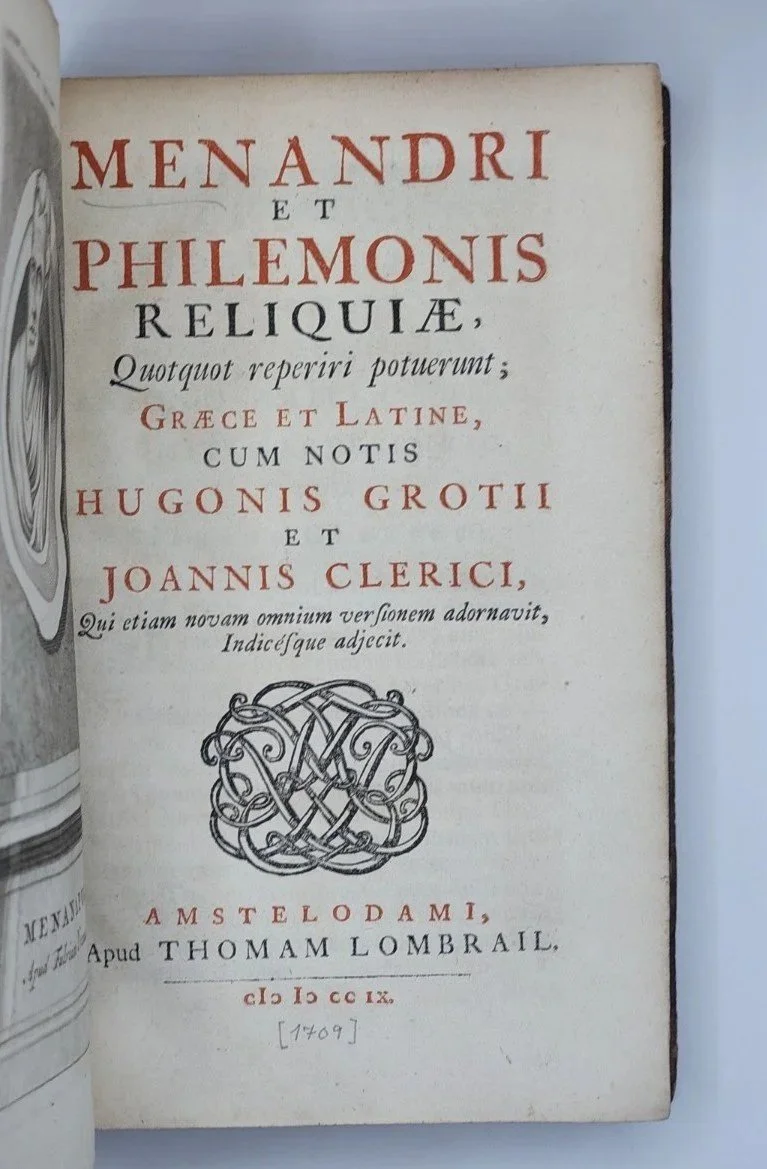 Image 1 of 9
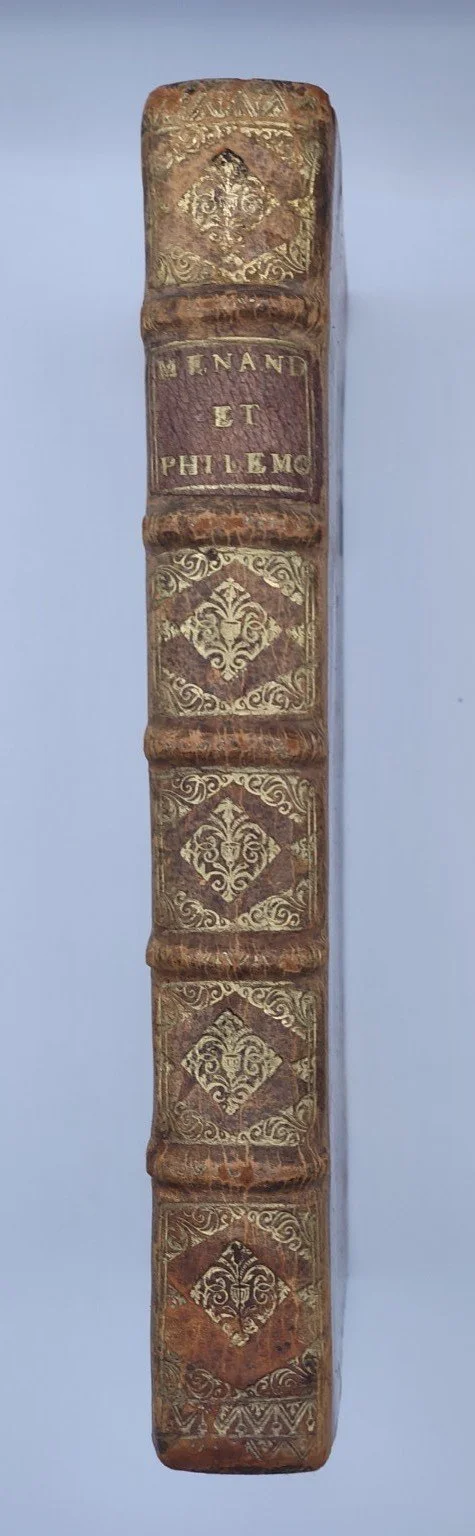 Image 2 of 9
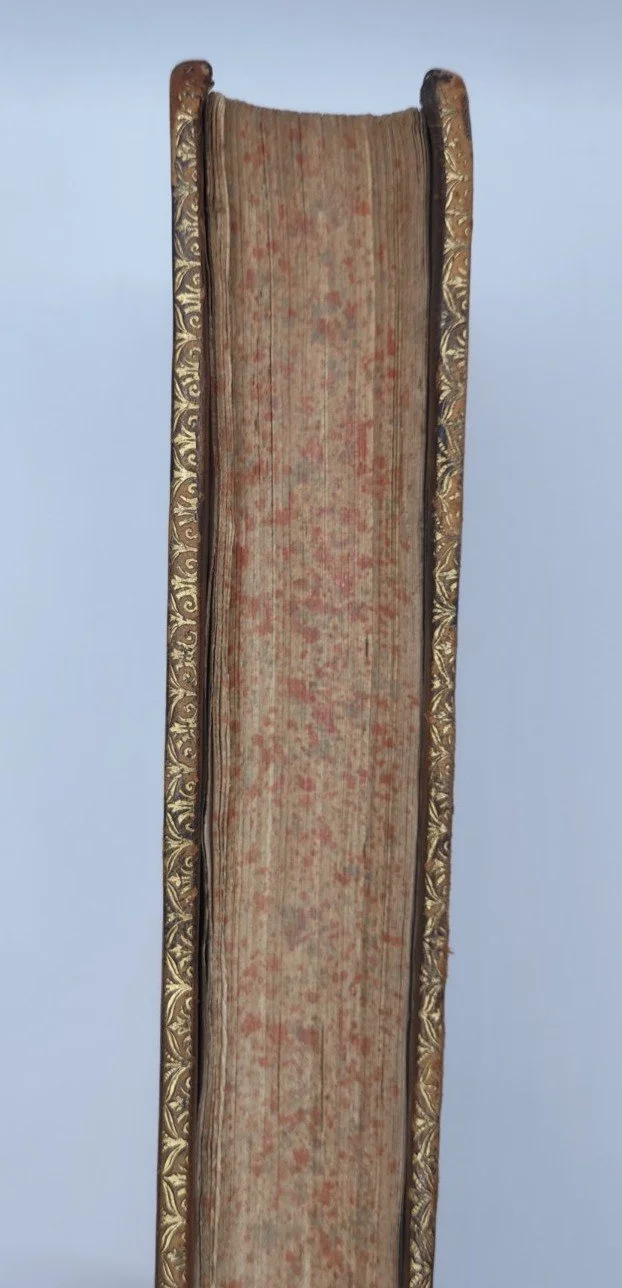 Image 3 of 9
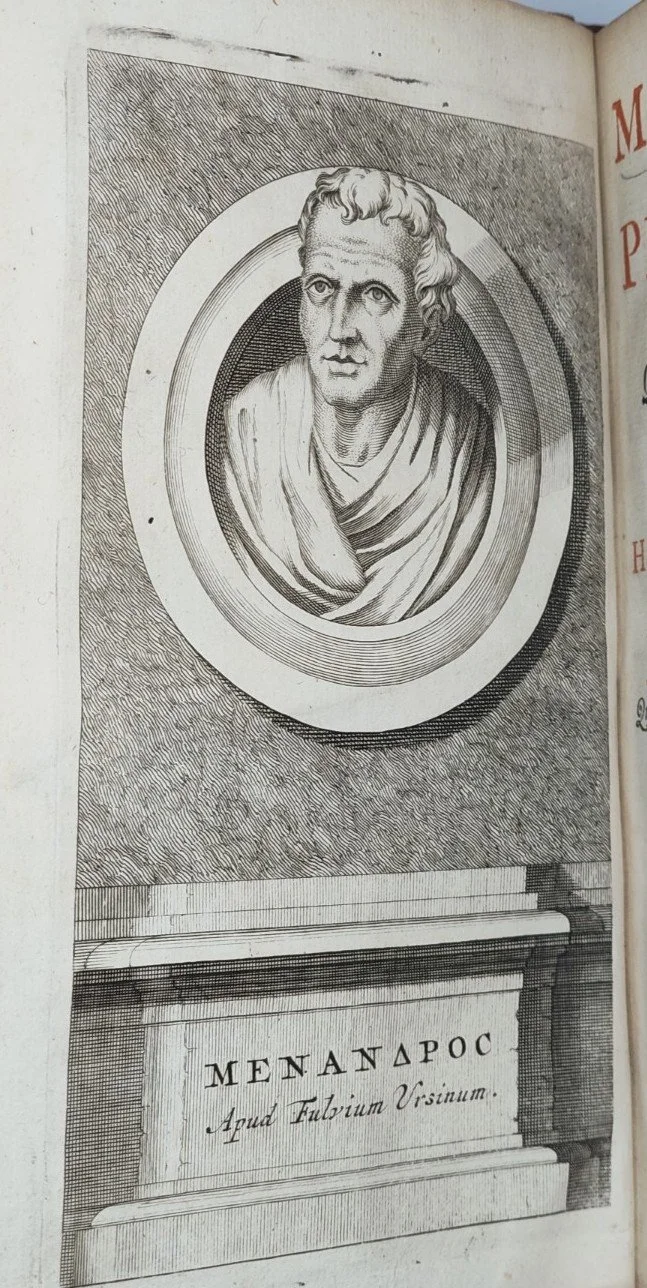 Image 4 of 9
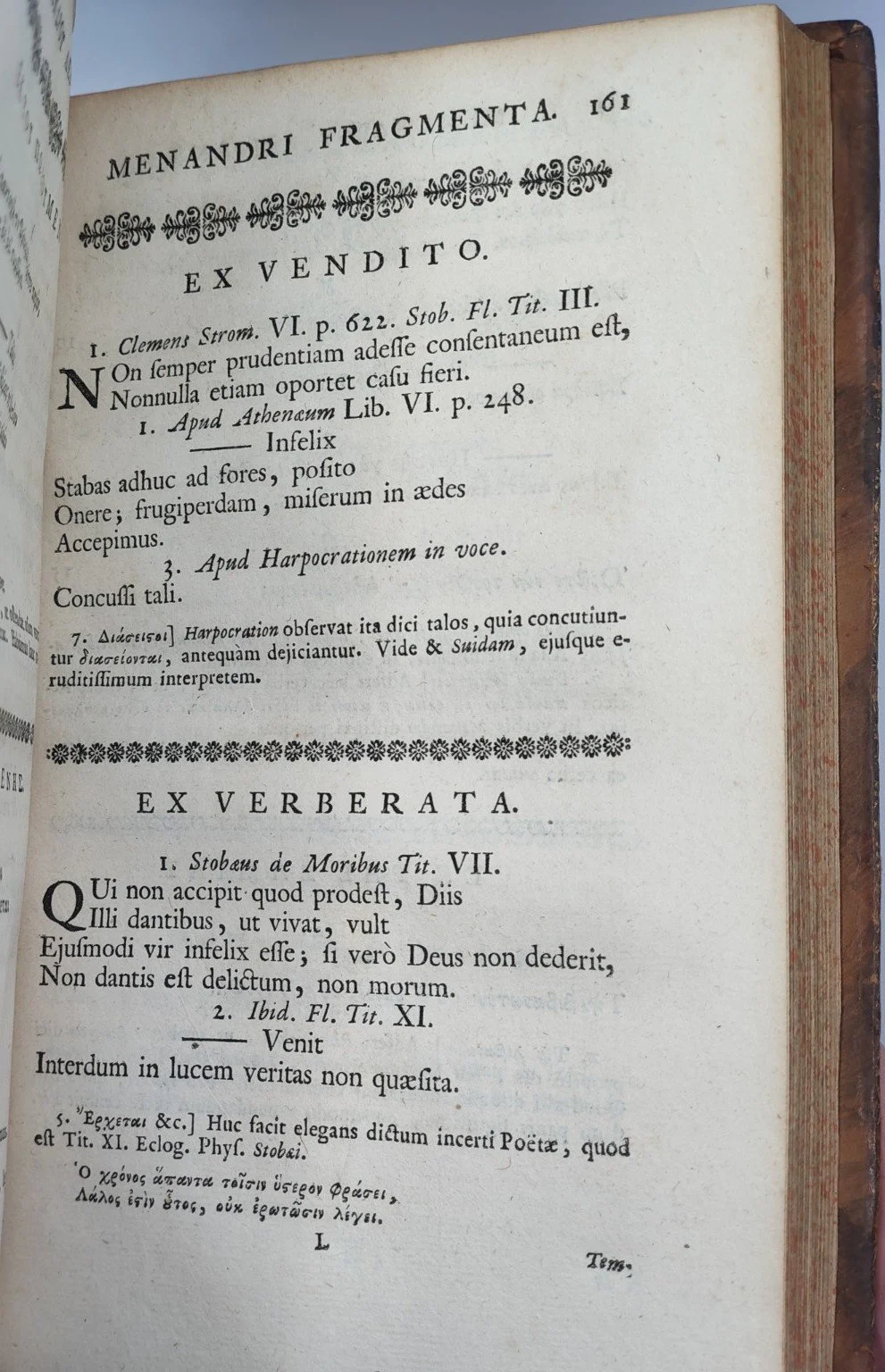 Image 5 of 9
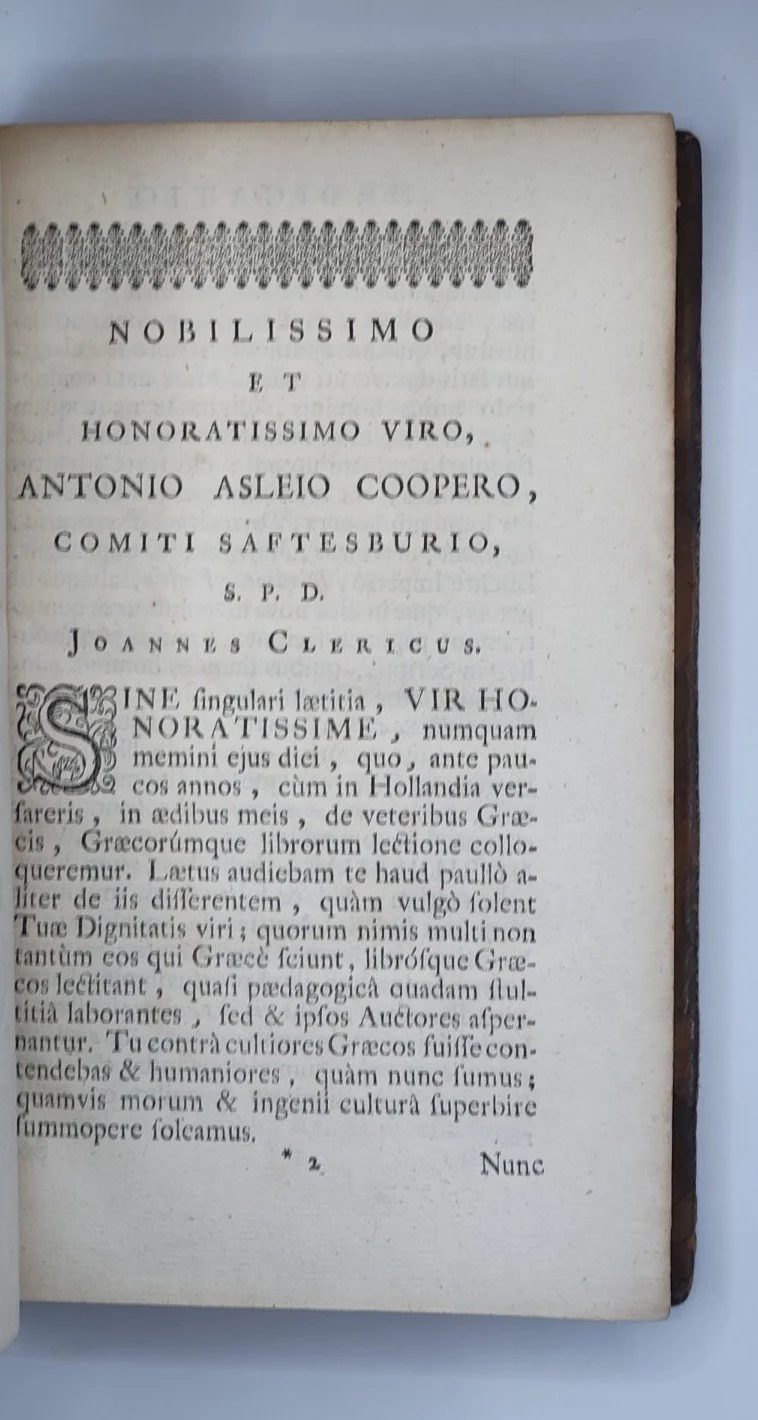 Image 6 of 9
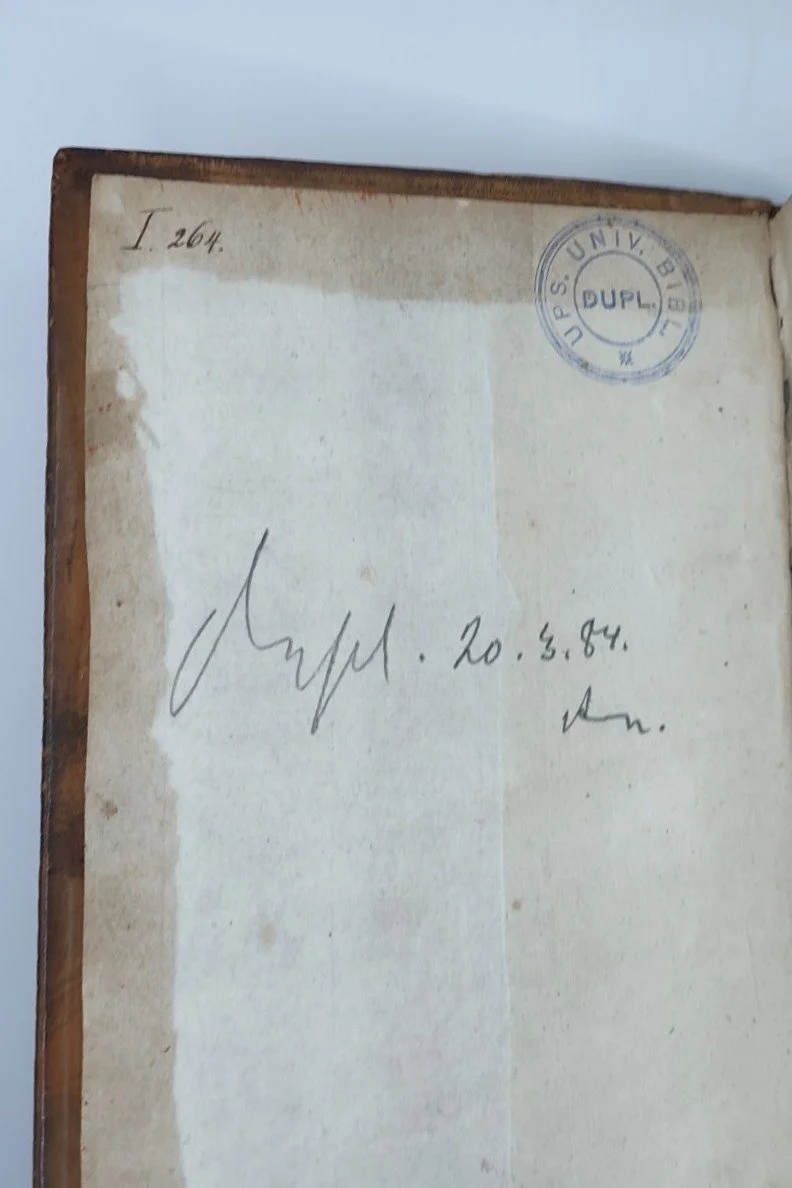 Image 7 of 9
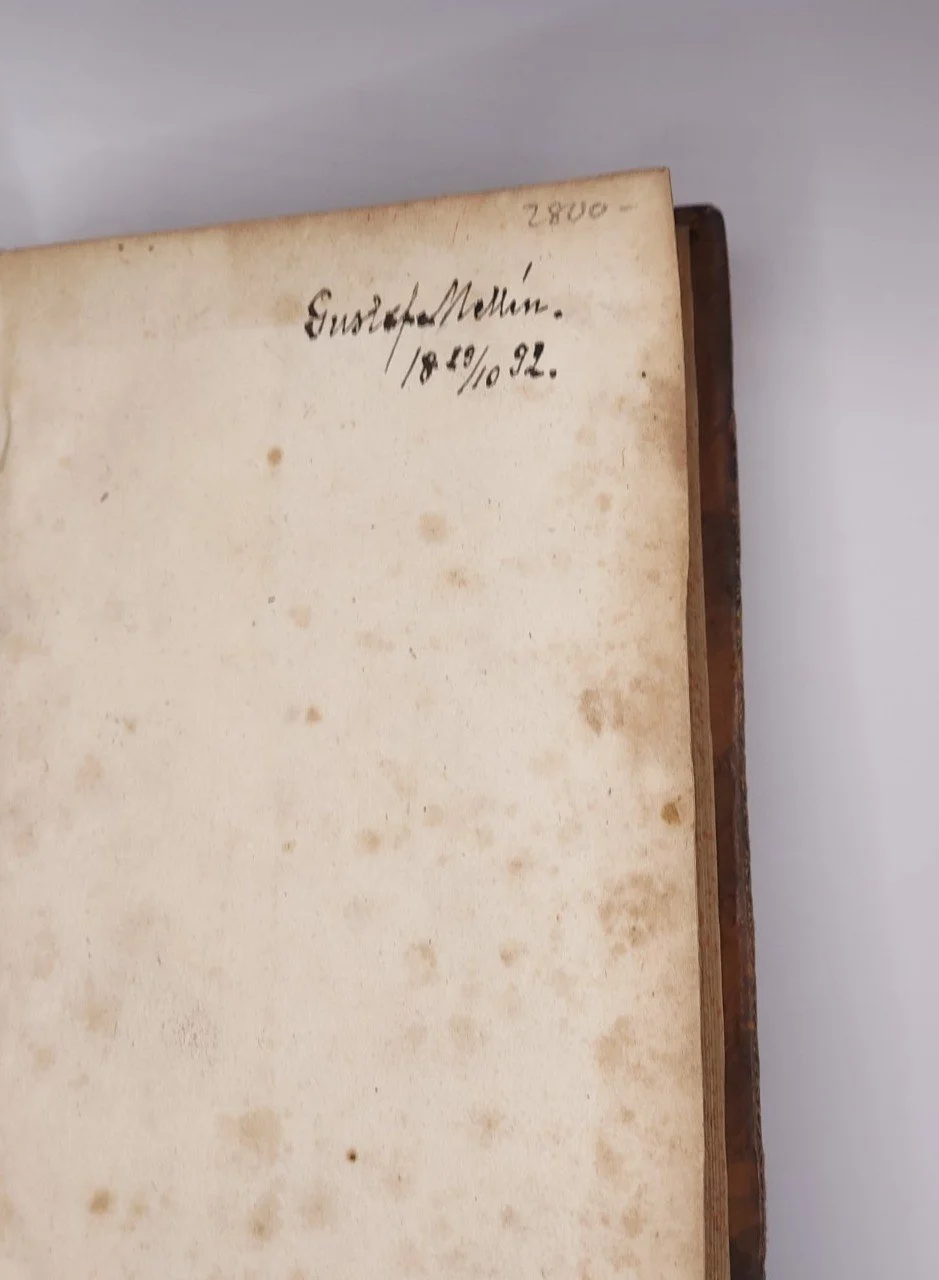 Image 8 of 9
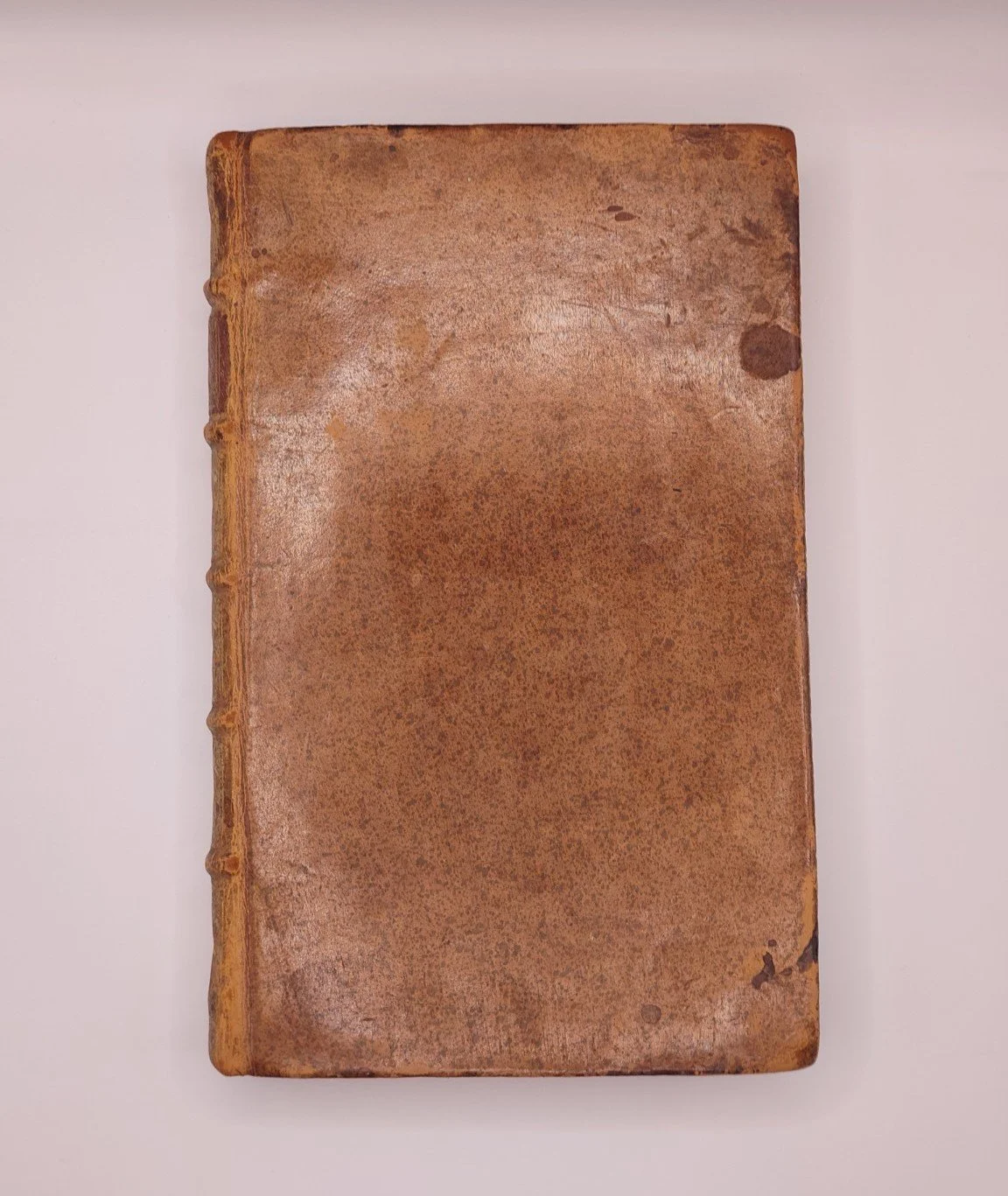 Image 9 of 9