Introduction
Printed in Utrecht by Petrus Elzevier in 1670, Gisbert Cuper’s Observationum libri tres is a compact and learned work of seventeenth-century antiquarian scholarship. Written in Latin, with frequent Greek passages, it brings together classical philology, ancient rites, textual criticism, and numismatic evidence. The book is especially appealing for its engraved title and numerous copper engraved illustrations in the text, many of them depicting ancient coins, medals, and antiquarian subjects.
Physical description
• Title: Gisberti Cuperi Observationum libri tres
• Author: Gisbert Cuper
• Place of printing: Utrecht, “Trajecti ad Rhenum”
• Printer: Petrus Elzevier
• Year: 1670
• Format: 12mo
• Pagination: [32], 355, [5] pp.
• Language: Latin, with Greek passages
• Binding: Contemporary vellum with yapp edges
• Illustration: Engraved title/frontispiece and numerous copper engraved illustrations in the text
• Complete, with preliminary leaves, main text, index, and illustrations present
• No marginal annotations
• Condition: Vellum somewhat soiled and lightly stained, with minor wear and slight bowing. Edges age toned and spotted. Interior generally well preserved, with some light browning, spotting, and handling marks.
Context
Gisbert Cuper, or Gijsbert Cuperus, was a Dutch classical scholar, antiquarian, and statesman whose work belongs to the learned culture of the Dutch Golden Age. His Observationum libri tres reflects a scholarly world in which texts, inscriptions, coins, medals, and ancient customs were studied together as evidence for understanding antiquity.
The book is not a conventional history, but a collection of learned observations. Cuper moves between Greek and Latin authors, explaining difficult passages, proposing corrections, and using material remains to illuminate ancient practice. The many engraved coins and medals are not merely decorative. They function as evidence, allowing the printed page to combine textual criticism with visual antiquarian inquiry.
The Elzevier imprint adds another layer of interest. The Elzevier family were among the most celebrated Dutch printers of the seventeenth century, known especially for compact scholarly books in elegant small formats. This copy, preserved in its contemporary vellum binding, remains close to the form in which it would have circulated among early modern readers.
Significance
This volume is a fine example of the intersection between classical scholarship, antiquarianism, and numismatics in the seventeenth century. Its interest lies not only in the Elzevier imprint, but also in the way it presents antiquity as something to be reconstructed through both texts and objects.
For collectors, the book offers several appealing features: an Elzevier printing, a contemporary vellum binding, a complete text, an engraved title, and numerous copper engraved illustrations of ancient coins and related subjects. It is a scholarly object, but also a visually engaging one, representing the early modern attempt to recover the ancient world through philology, images, and material evidence.
Introduction
Printed in Utrecht by Petrus Elzevier in 1670, Gisbert Cuper’s Observationum libri tres is a compact and learned work of seventeenth-century antiquarian scholarship. Written in Latin, with frequent Greek passages, it brings together classical philology, ancient rites, textual criticism, and numismatic evidence. The book is especially appealing for its engraved title and numerous copper engraved illustrations in the text, many of them depicting ancient coins, medals, and antiquarian subjects.
Physical description
• Title: Gisberti Cuperi Observationum libri tres
• Author: Gisbert Cuper
• Place of printing: Utrecht, “Trajecti ad Rhenum”
• Printer: Petrus Elzevier
• Year: 1670
• Format: 12mo
• Pagination: [32], 355, [5] pp.
• Language: Latin, with Greek passages
• Binding: Contemporary vellum with yapp edges
• Illustration: Engraved title/frontispiece and numerous copper engraved illustrations in the text
• Complete, with preliminary leaves, main text, index, and illustrations present
• No marginal annotations
• Condition: Vellum somewhat soiled and lightly stained, with minor wear and slight bowing. Edges age toned and spotted. Interior generally well preserved, with some light browning, spotting, and handling marks.
Context
Gisbert Cuper, or Gijsbert Cuperus, was a Dutch classical scholar, antiquarian, and statesman whose work belongs to the learned culture of the Dutch Golden Age. His Observationum libri tres reflects a scholarly world in which texts, inscriptions, coins, medals, and ancient customs were studied together as evidence for understanding antiquity.
The book is not a conventional history, but a collection of learned observations. Cuper moves between Greek and Latin authors, explaining difficult passages, proposing corrections, and using material remains to illuminate ancient practice. The many engraved coins and medals are not merely decorative. They function as evidence, allowing the printed page to combine textual criticism with visual antiquarian inquiry.
The Elzevier imprint adds another layer of interest. The Elzevier family were among the most celebrated Dutch printers of the seventeenth century, known especially for compact scholarly books in elegant small formats. This copy, preserved in its contemporary vellum binding, remains close to the form in which it would have circulated among early modern readers.
Significance
This volume is a fine example of the intersection between classical scholarship, antiquarianism, and numismatics in the seventeenth century. Its interest lies not only in the Elzevier imprint, but also in the way it presents antiquity as something to be reconstructed through both texts and objects.
For collectors, the book offers several appealing features: an Elzevier printing, a contemporary vellum binding, a complete text, an engraved title, and numerous copper engraved illustrations of ancient coins and related subjects. It is a scholarly object, but also a visually engaging one, representing the early modern attempt to recover the ancient world through philology, images, and material evidence.


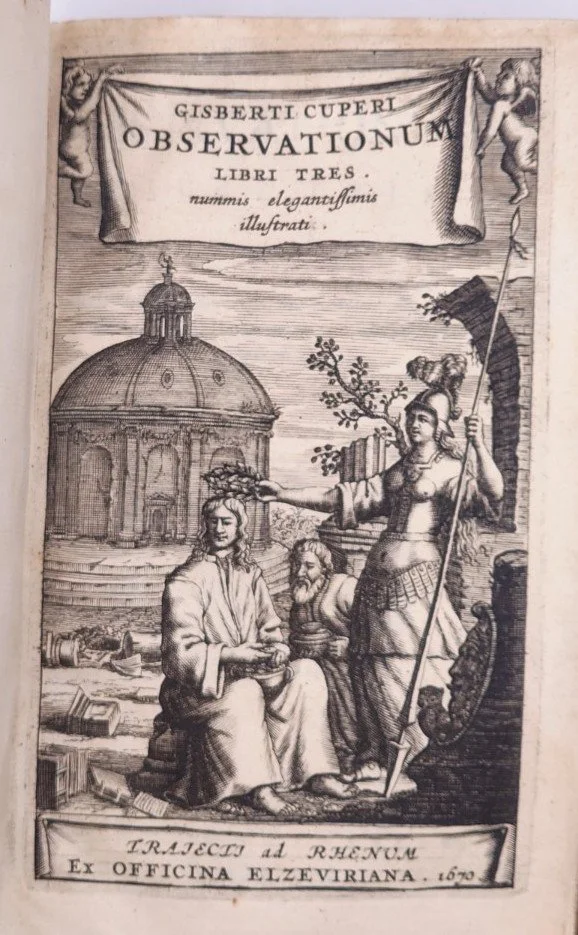 Image 1 of 14
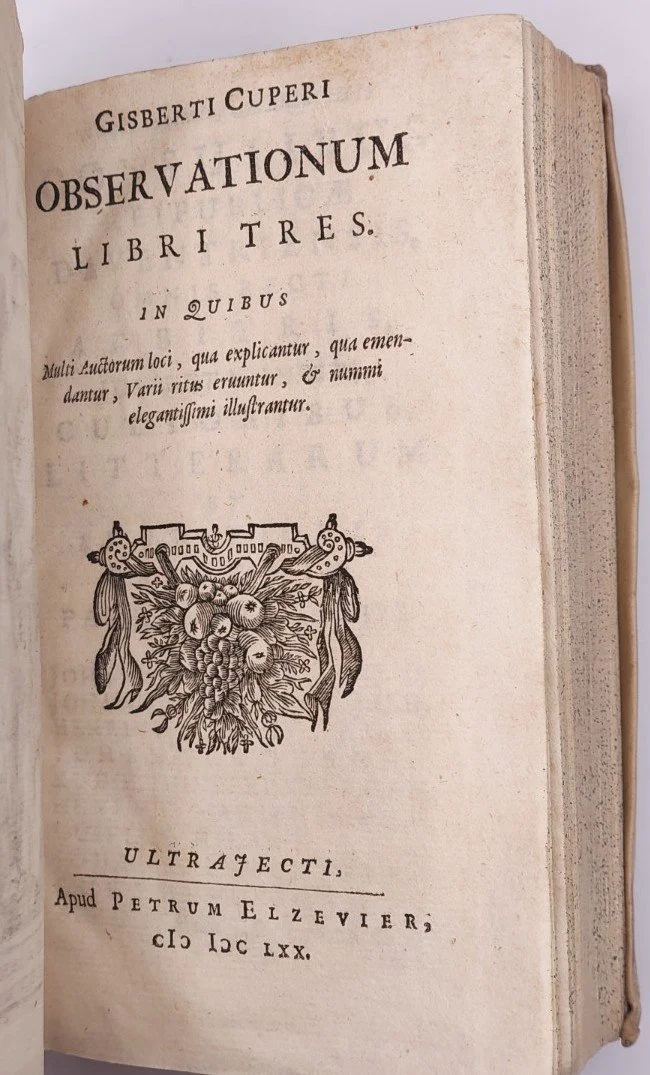 Image 2 of 14
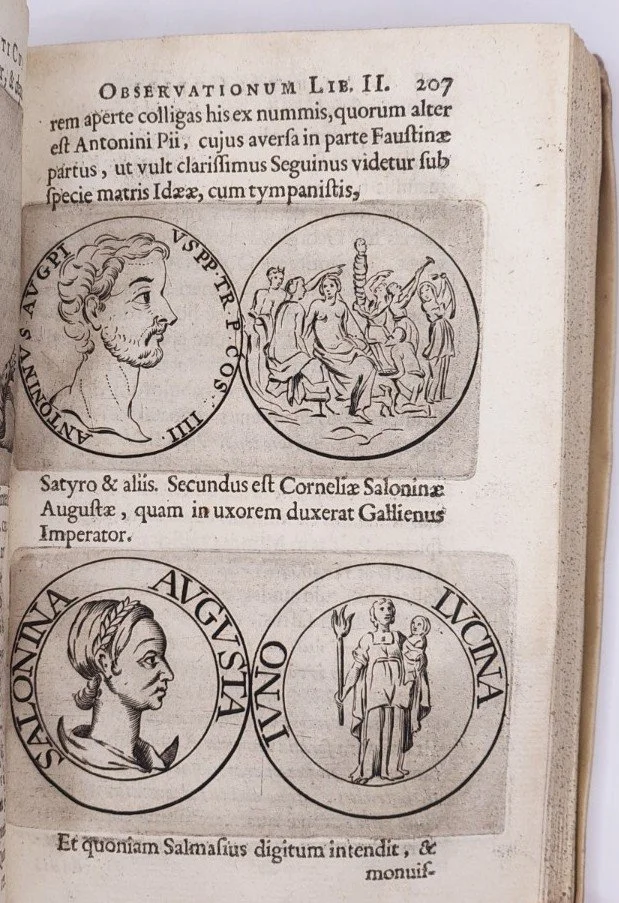 Image 3 of 14
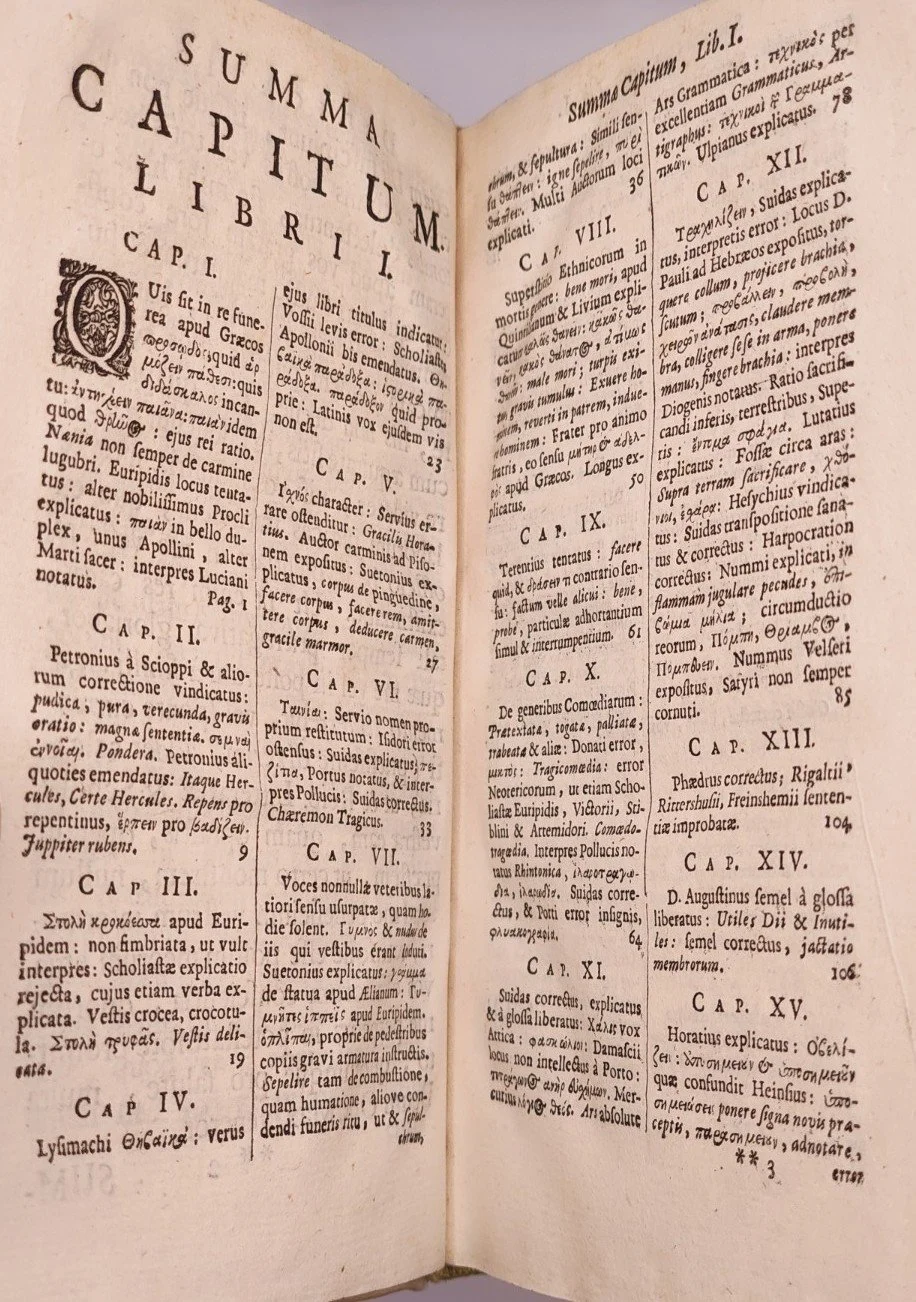 Image 4 of 14
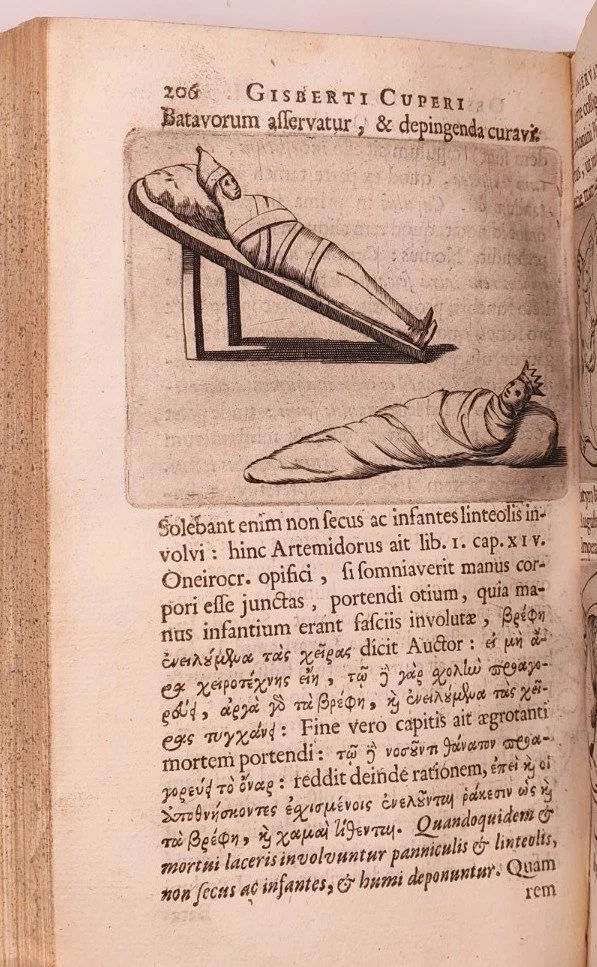 Image 5 of 14
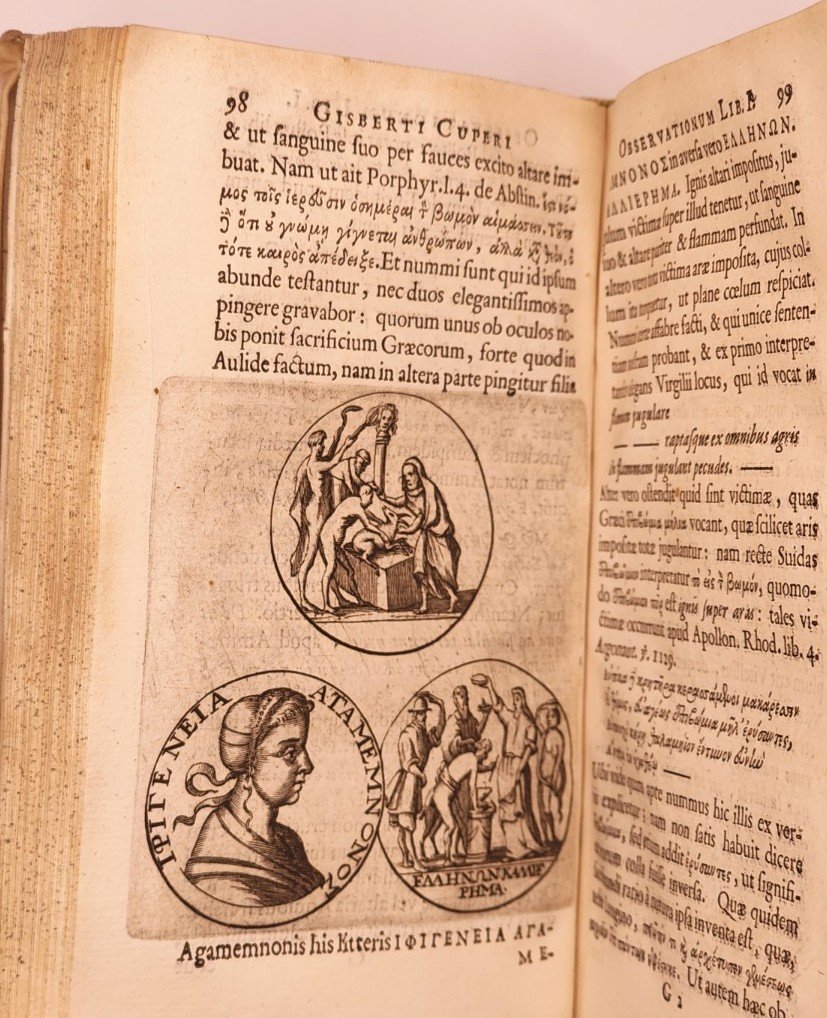 Image 6 of 14
 Image 7 of 14
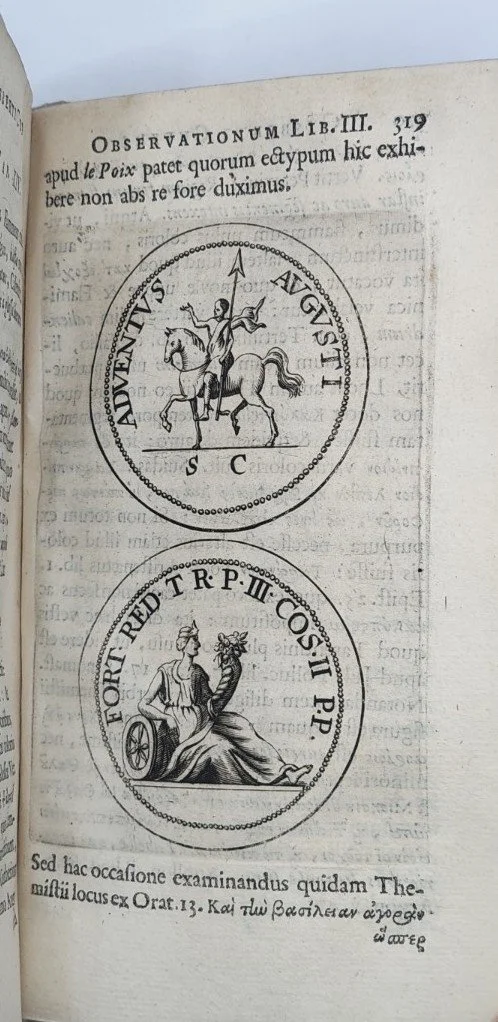 Image 8 of 14
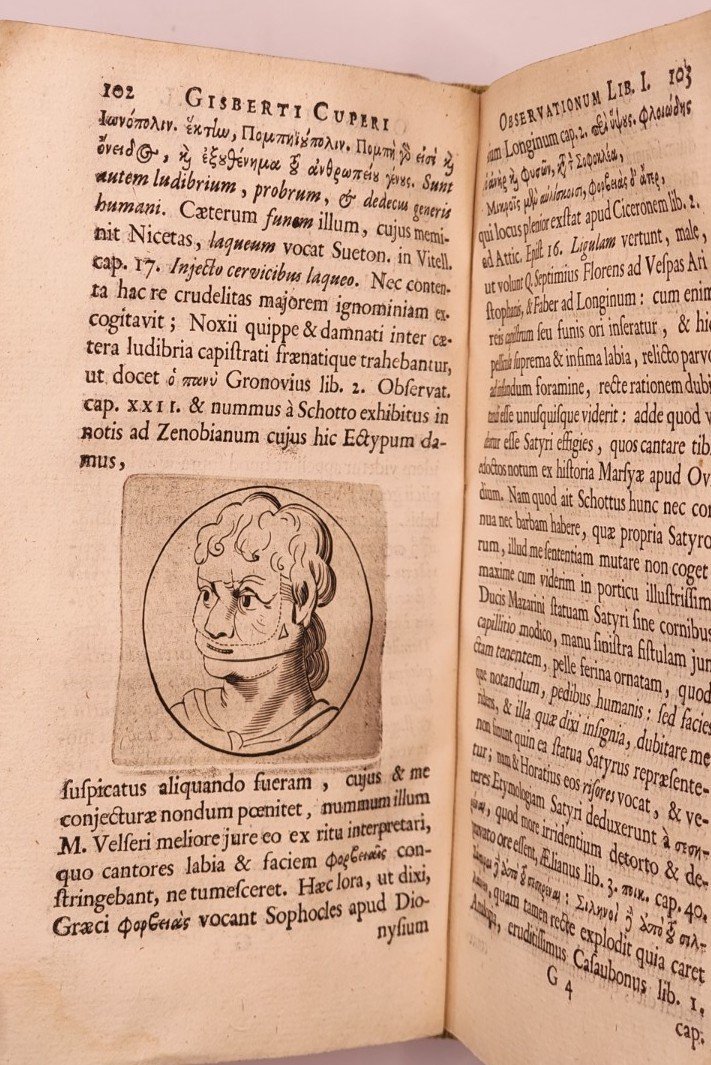 Image 9 of 14
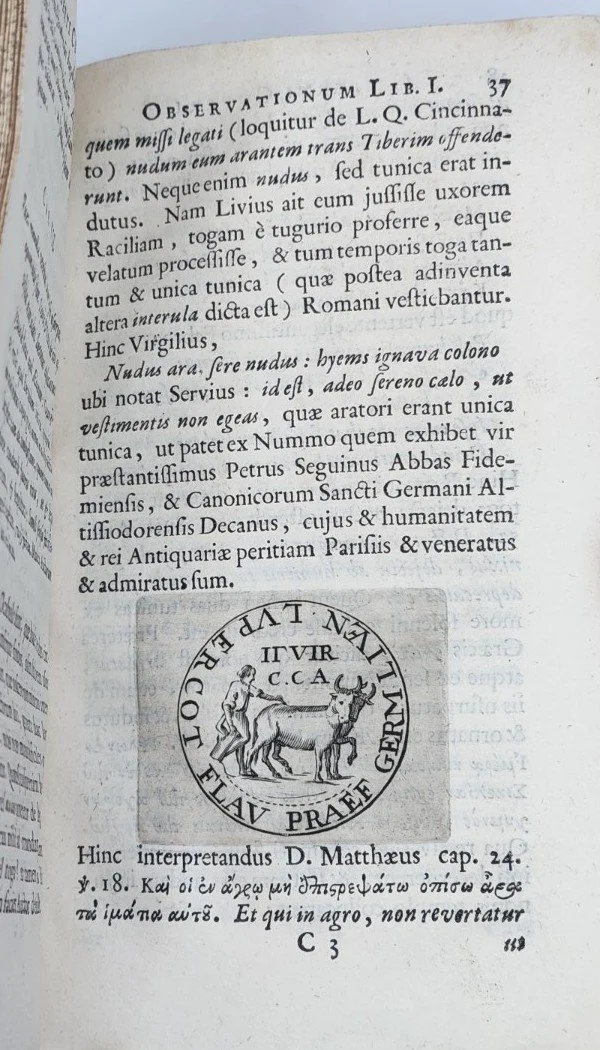 Image 10 of 14
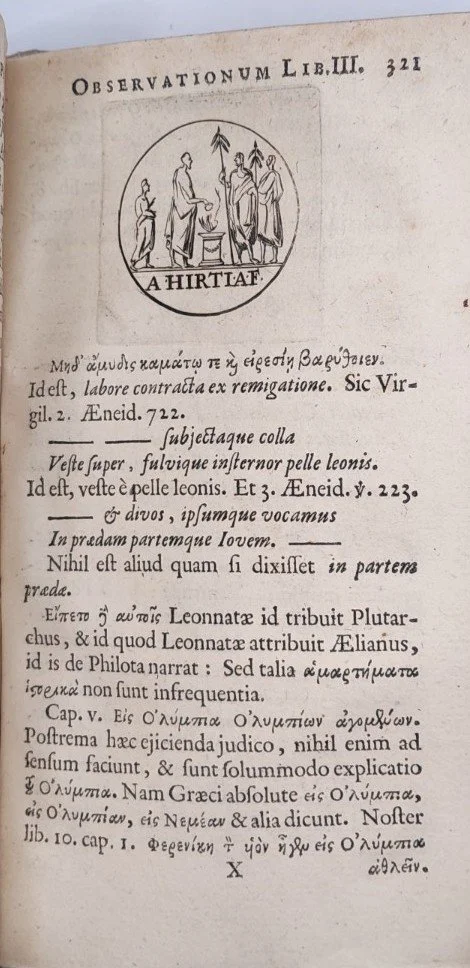 Image 11 of 14
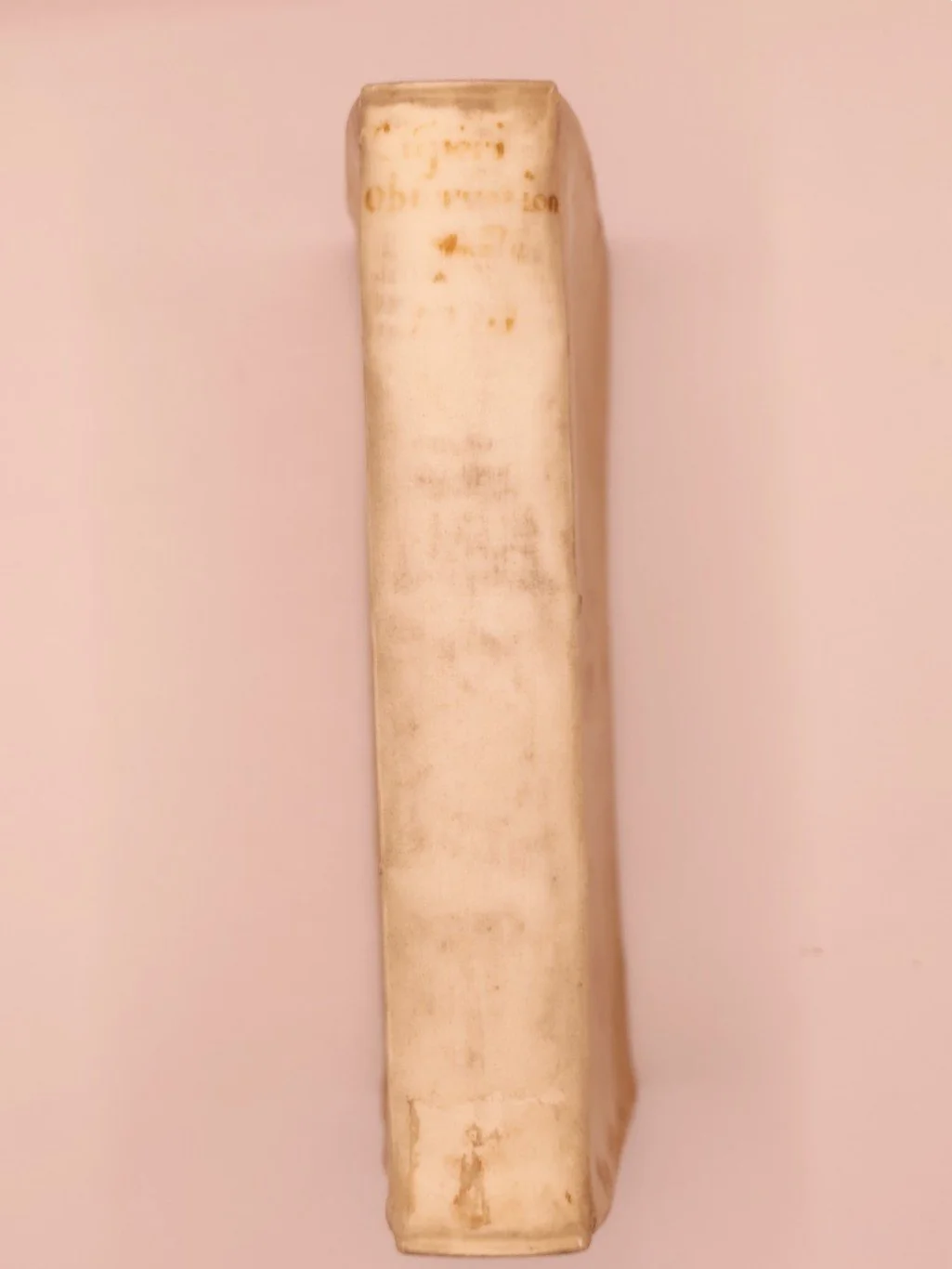 Image 12 of 14
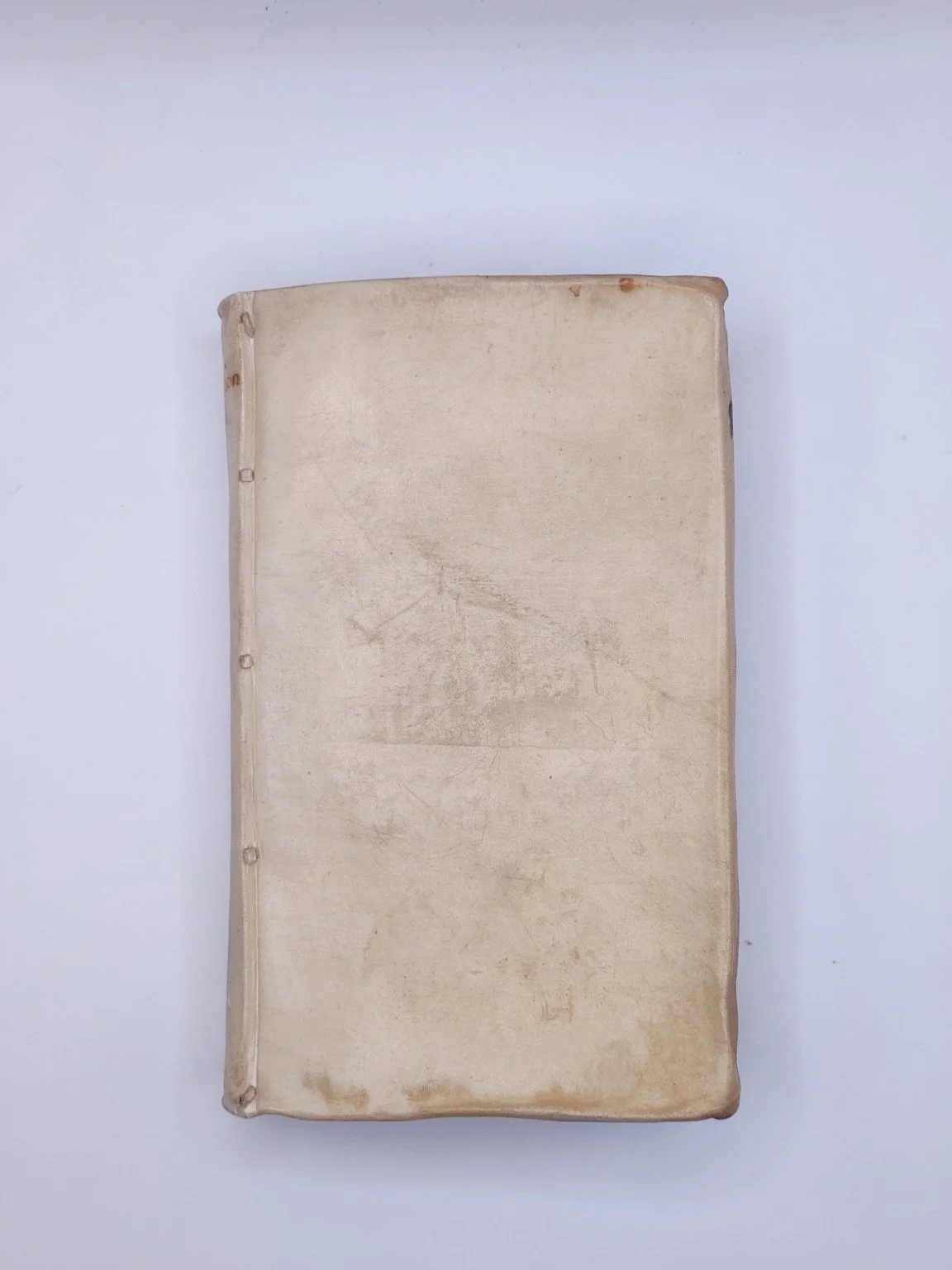 Image 13 of 14
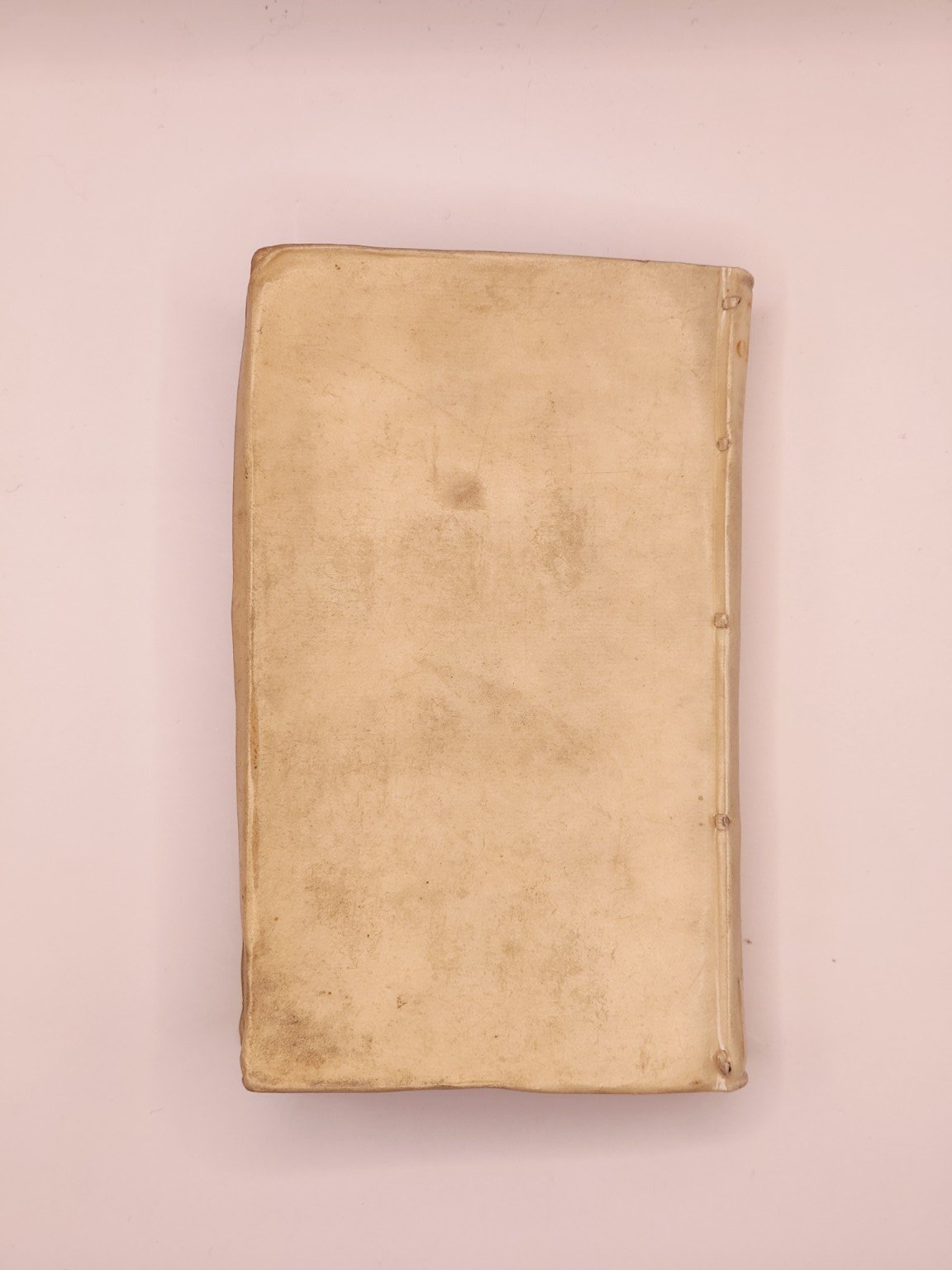 Image 14 of 14