Introduction
Published in Stockholm by Rabén & Sjögren in 1962, Bilbo: En hobbits äventyr is the first edition of Britt G. Hallqvist’s Swedish translation of J. R. R. Tolkien’s The Hobbit and the original appearance of Tove Jansson’s illustrations for the story.
The edition represents an exceptional meeting of two highly distinctive imaginative worlds. Jansson, internationally known as the creator of the Moomins, approached Tolkien’s Middle-earth with complete visual independence. Her strange creatures, immense landscapes and vulnerable travelling figures create an interpretation that is atmospheric, unsettling and unmistakably her own.
Physical description
Author: J. R. R. Tolkien
Title: Bilbo: En hobbits äventyr
Swedish translation by Britt G. Hallqvist
Illustrated by Tove Jansson
Stockholm: Rabén & Sjögren, 1962
Printed in Örebro by AB Littorin Rydén Boktryckeri
First edition of Hallqvist’s translation and Jansson’s illustrations
Swedish text
Octavo, 8vo
308 pages
Illustrated throughout in black and white, with numerous full-page compositions
Publisher’s original pictorial boards with green cloth spine and gilt lettering
Complete and structurally sound
Rubbing, scratches and other surface wear to the boards
Wear to the edges, corners and ends of the spine
Text block age-toned, with some spotting, marks and occasional marginal staining
Illustrations remain well preserved and clearly printed
Context
The edition was created during Astrid Lindgren’s influential period as an editor at Rabén & Sjögren. Lindgren was instrumental in inviting Tove Jansson to illustrate Tolkien’s story, bringing together three major figures in twentieth-century children’s literature: Tolkien as author, Jansson as illustrator and Lindgren as editor.
Jansson did not attempt to imitate Tolkien’s own drawings or anticipate the visual conventions later established around Middle-earth. Instead, she developed an independent Nordic interpretation in which landscapes frequently overwhelm the characters and familiar figures are rendered in surprising forms.
The most famous example is her full-page illustration of Bilbo’s encounter with Gollum. Rather than portraying Gollum as the small, emaciated creature familiar from later illustrations and film adaptations, Jansson presents him as an enormous, almost primordial being towering over Bilbo. The image reflects the relative ambiguity of Gollum’s physical appearance in the text available to Jansson and has become one of the most discussed illustrations associated with this edition.
Significance
This edition is valued not simply as an early Swedish publication of Tolkien’s work, but as a distinctive artistic interpretation of The Hobbit. Jansson’s illustrations form a self-contained vision of Middle-earth, shaped by the same sensitivity to darkness, solitude, landscape and strange creatures that characterises much of her wider work.
Its importance also lies in the unusual collaboration behind it. The involvement of Astrid Lindgren connects the volume directly with the history of Rabén & Sjögren and the development of modern Scandinavian children’s literature, while Jansson’s illustrations unite the worlds of Tolkien and the Moomins within a single publication.
The celebrated Gollum image, the original pictorial binding and the first appearance of Jansson’s complete series of illustrations make the 1962 Bilbo an important and immediately recognisable edition for collectors of Tolkien, Tove Jansson and twentieth-century book illustration.
Introduction
Published in Stockholm by Rabén & Sjögren in 1962, Bilbo: En hobbits äventyr is the first edition of Britt G. Hallqvist’s Swedish translation of J. R. R. Tolkien’s The Hobbit and the original appearance of Tove Jansson’s illustrations for the story.
The edition represents an exceptional meeting of two highly distinctive imaginative worlds. Jansson, internationally known as the creator of the Moomins, approached Tolkien’s Middle-earth with complete visual independence. Her strange creatures, immense landscapes and vulnerable travelling figures create an interpretation that is atmospheric, unsettling and unmistakably her own.
Physical description
Author: J. R. R. Tolkien
Title: Bilbo: En hobbits äventyr
Swedish translation by Britt G. Hallqvist
Illustrated by Tove Jansson
Stockholm: Rabén & Sjögren, 1962
Printed in Örebro by AB Littorin Rydén Boktryckeri
First edition of Hallqvist’s translation and Jansson’s illustrations
Swedish text
Octavo, 8vo
308 pages
Illustrated throughout in black and white, with numerous full-page compositions
Publisher’s original pictorial boards with green cloth spine and gilt lettering
Complete and structurally sound
Rubbing, scratches and other surface wear to the boards
Wear to the edges, corners and ends of the spine
Text block age-toned, with some spotting, marks and occasional marginal staining
Illustrations remain well preserved and clearly printed
Context
The edition was created during Astrid Lindgren’s influential period as an editor at Rabén & Sjögren. Lindgren was instrumental in inviting Tove Jansson to illustrate Tolkien’s story, bringing together three major figures in twentieth-century children’s literature: Tolkien as author, Jansson as illustrator and Lindgren as editor.
Jansson did not attempt to imitate Tolkien’s own drawings or anticipate the visual conventions later established around Middle-earth. Instead, she developed an independent Nordic interpretation in which landscapes frequently overwhelm the characters and familiar figures are rendered in surprising forms.
The most famous example is her full-page illustration of Bilbo’s encounter with Gollum. Rather than portraying Gollum as the small, emaciated creature familiar from later illustrations and film adaptations, Jansson presents him as an enormous, almost primordial being towering over Bilbo. The image reflects the relative ambiguity of Gollum’s physical appearance in the text available to Jansson and has become one of the most discussed illustrations associated with this edition.
Significance
This edition is valued not simply as an early Swedish publication of Tolkien’s work, but as a distinctive artistic interpretation of The Hobbit. Jansson’s illustrations form a self-contained vision of Middle-earth, shaped by the same sensitivity to darkness, solitude, landscape and strange creatures that characterises much of her wider work.
Its importance also lies in the unusual collaboration behind it. The involvement of Astrid Lindgren connects the volume directly with the history of Rabén & Sjögren and the development of modern Scandinavian children’s literature, while Jansson’s illustrations unite the worlds of Tolkien and the Moomins within a single publication.
The celebrated Gollum image, the original pictorial binding and the first appearance of Jansson’s complete series of illustrations make the 1962 Bilbo an important and immediately recognisable edition for collectors of Tolkien, Tove Jansson and twentieth-century book illustration.


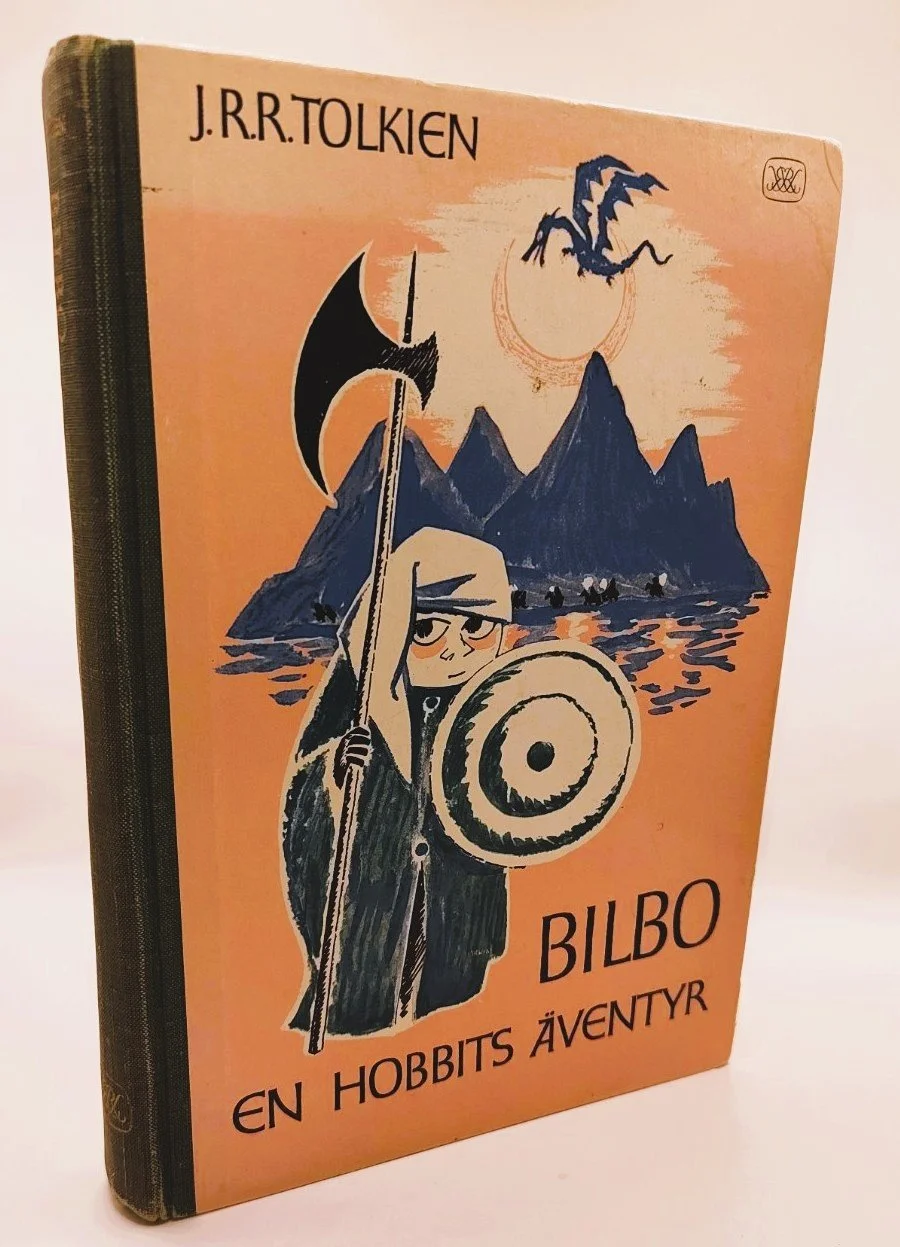 Image 1 of 17
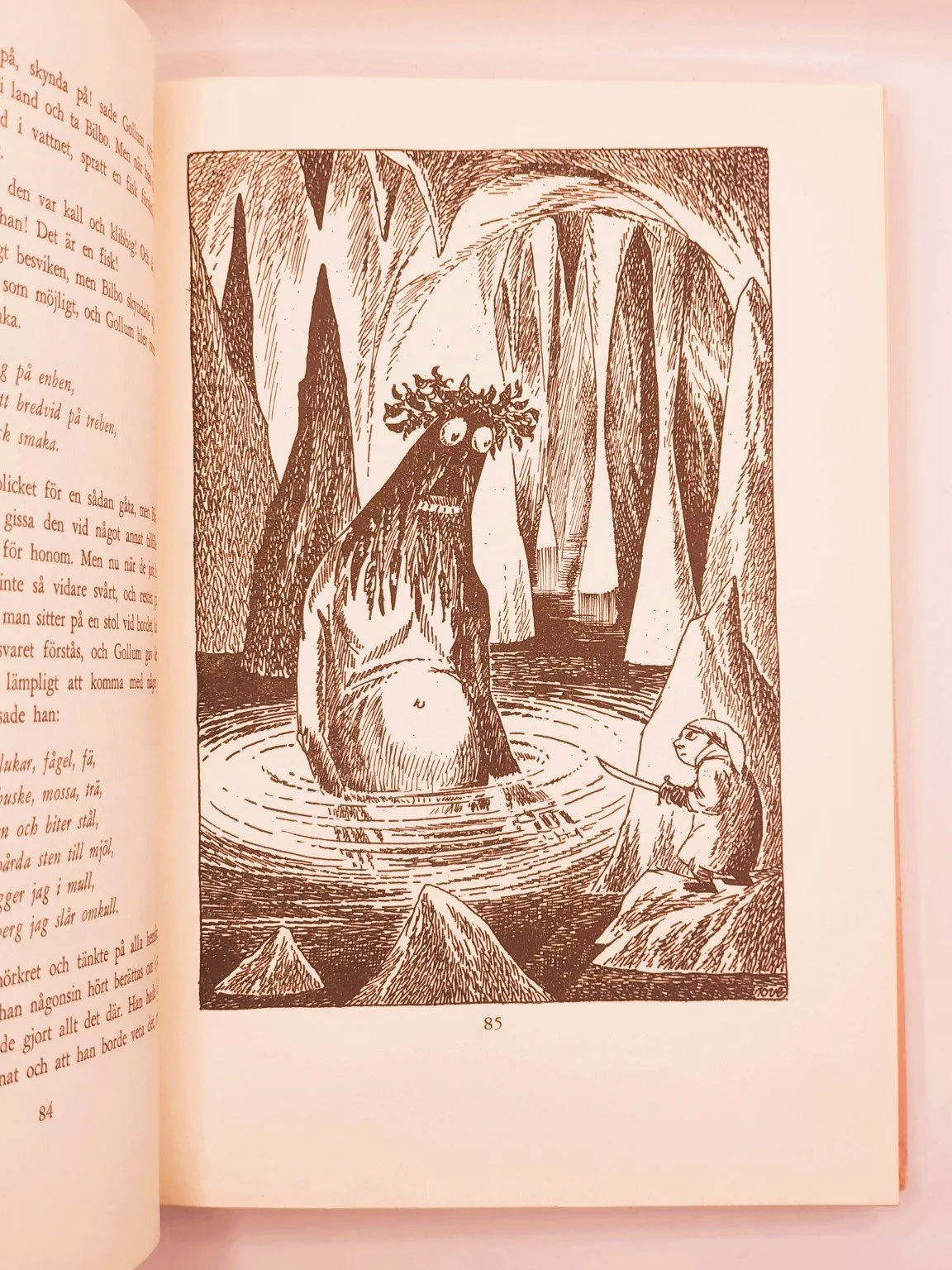 Image 2 of 17
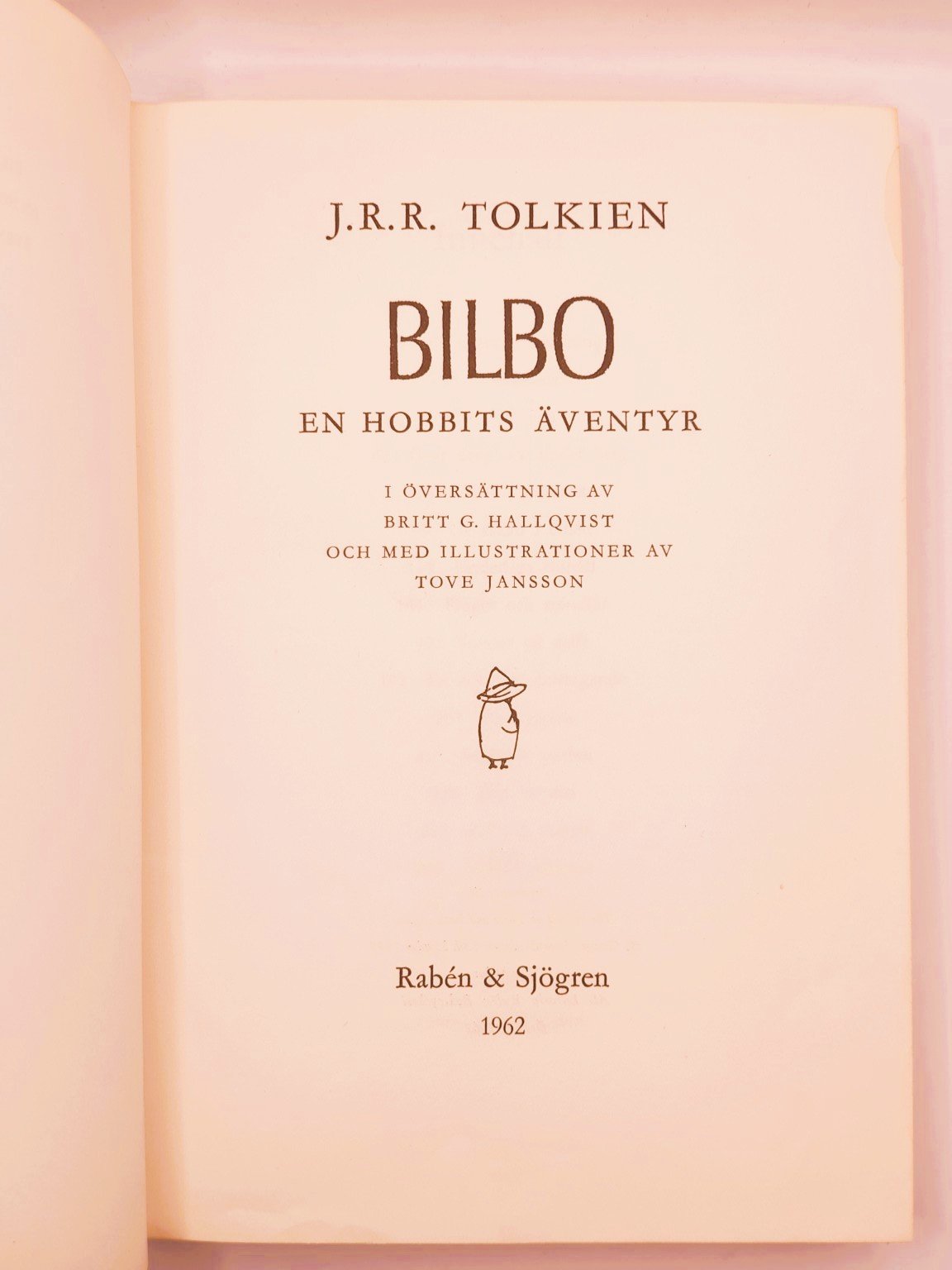 Image 3 of 17
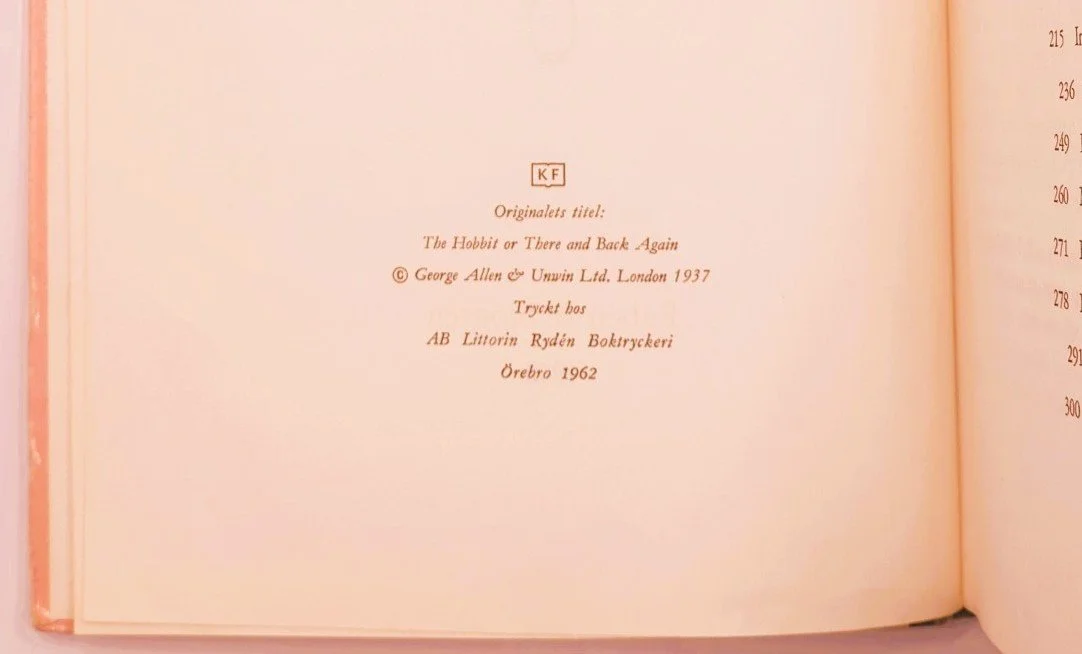 Image 4 of 17
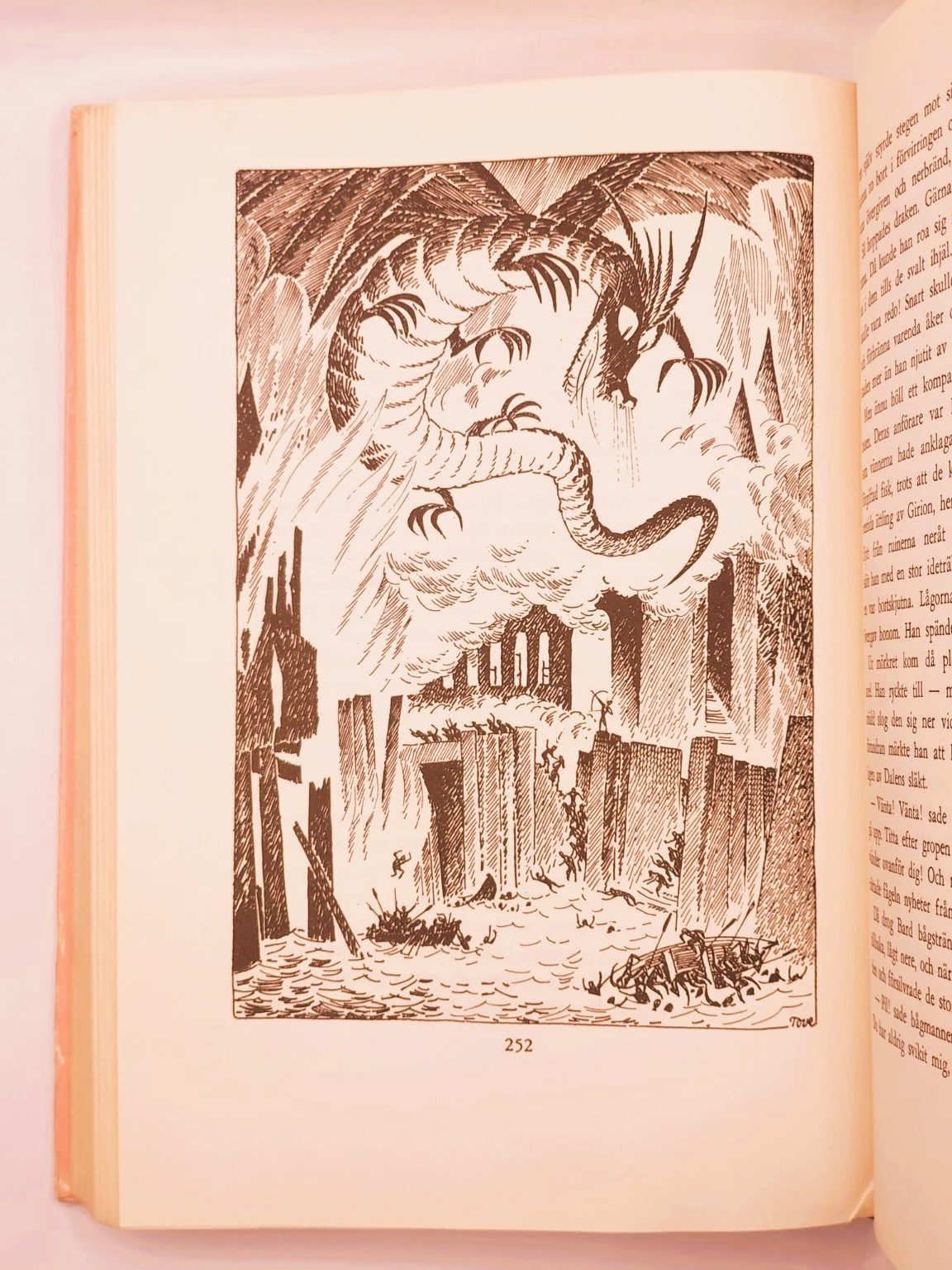 Image 5 of 17
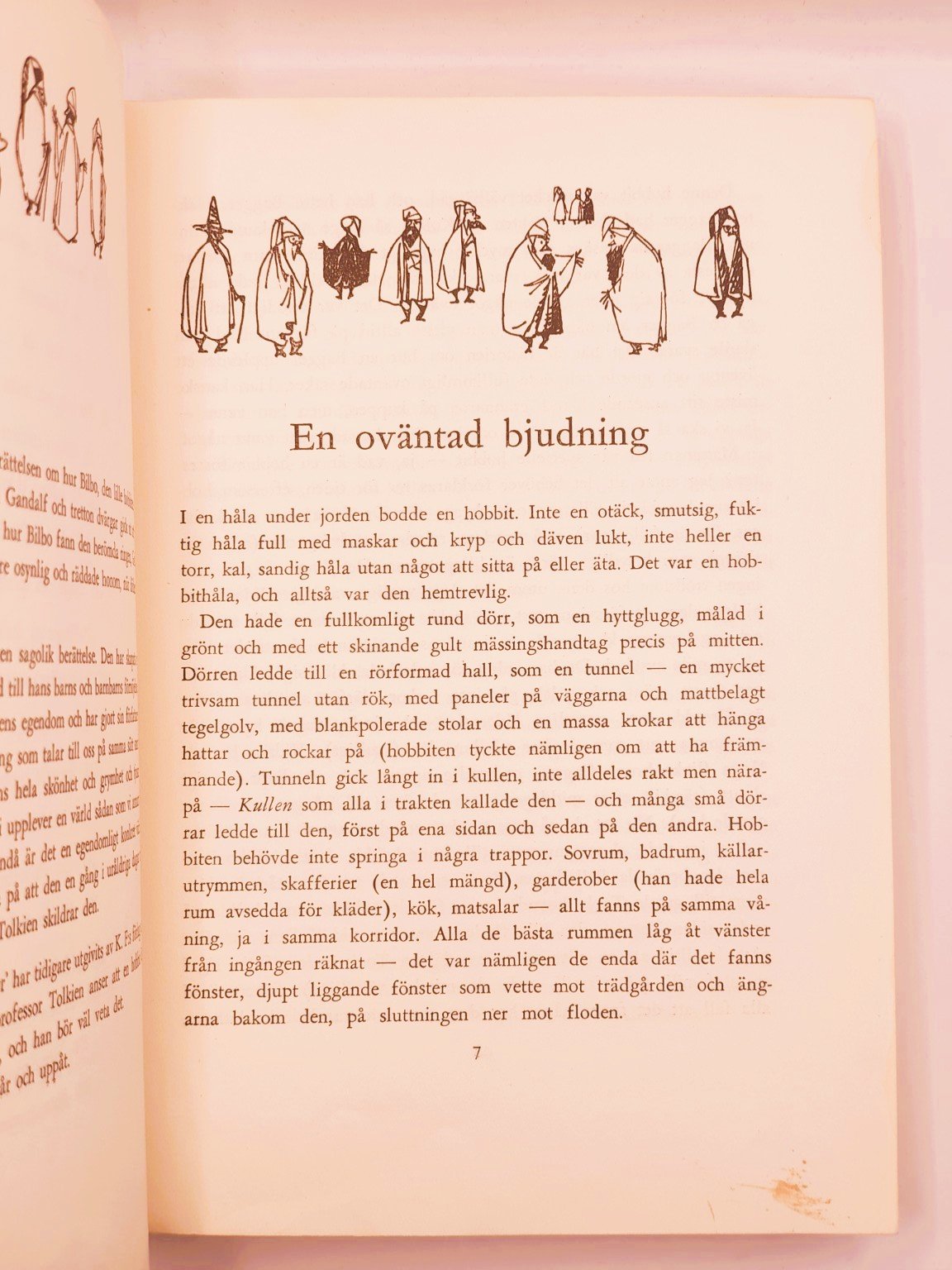 Image 6 of 17
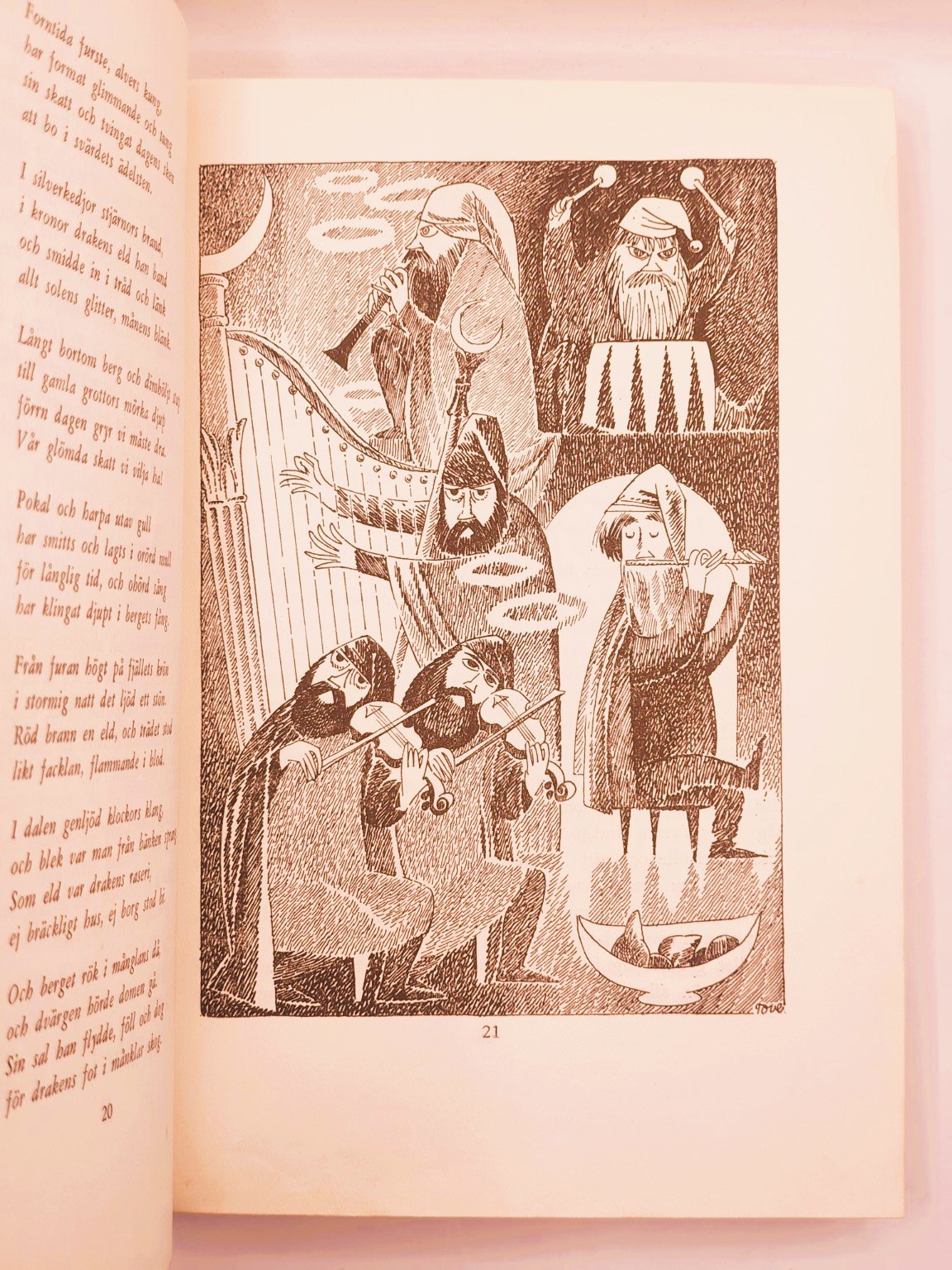 Image 7 of 17
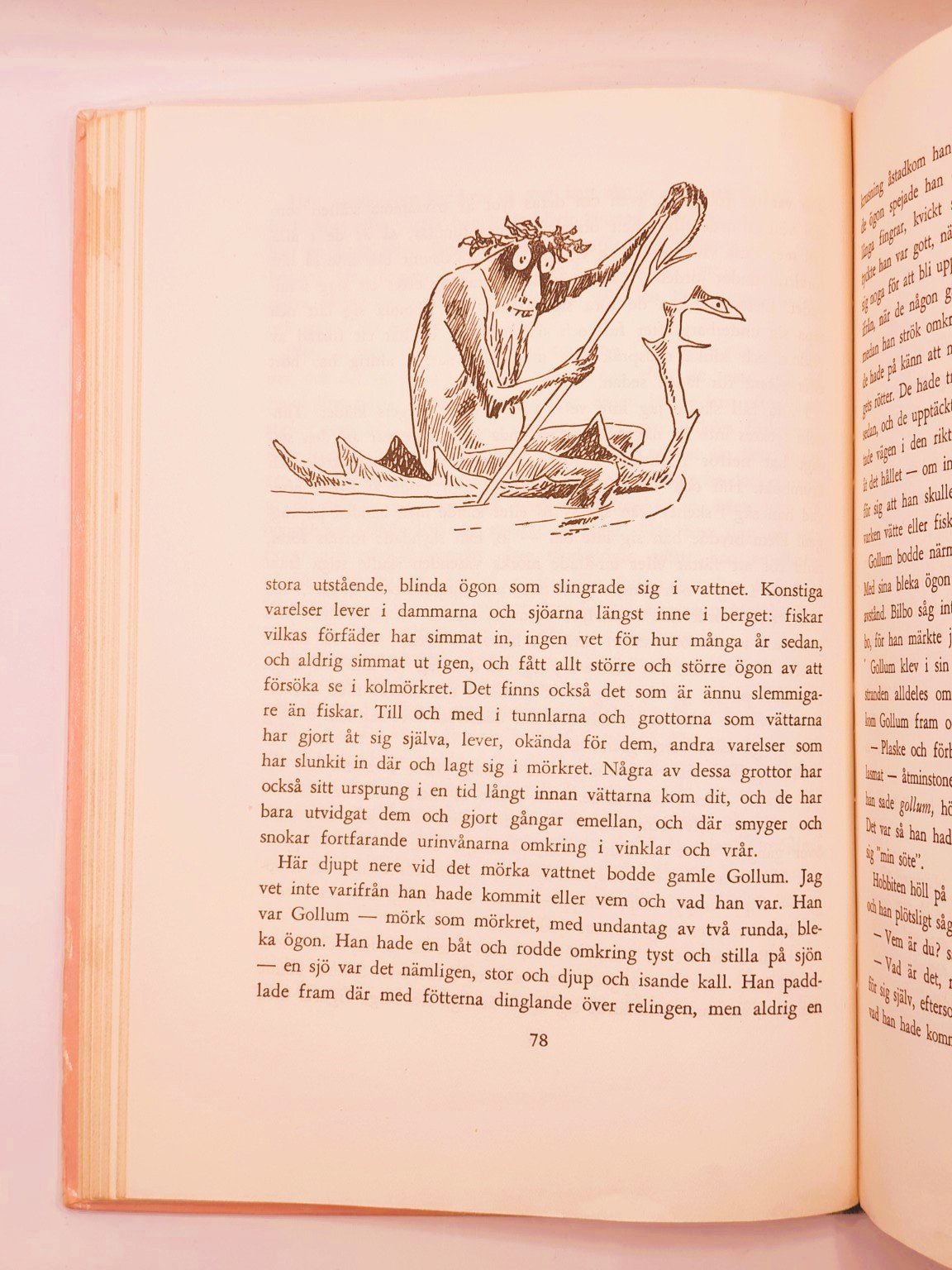 Image 8 of 17
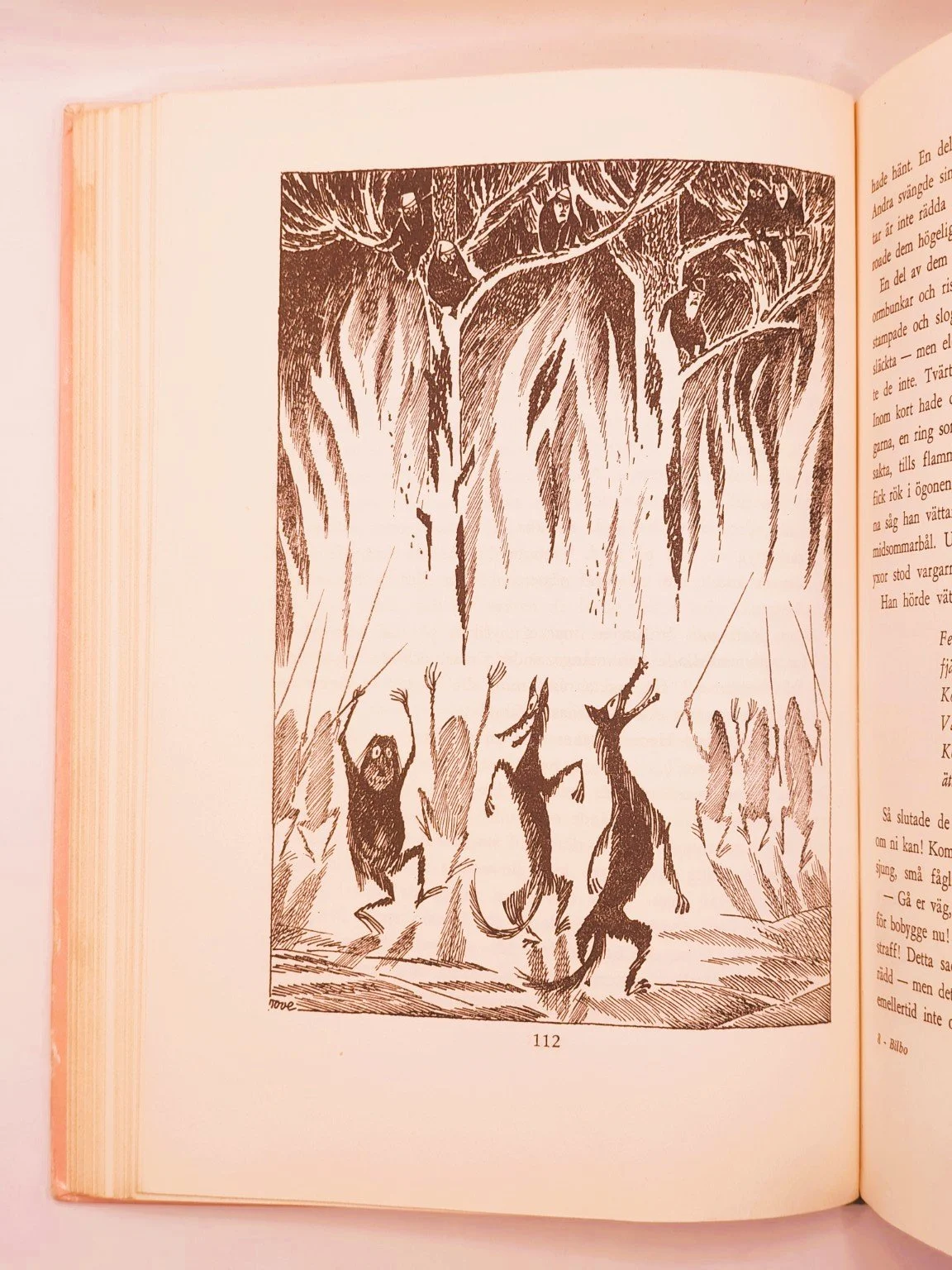 Image 9 of 17
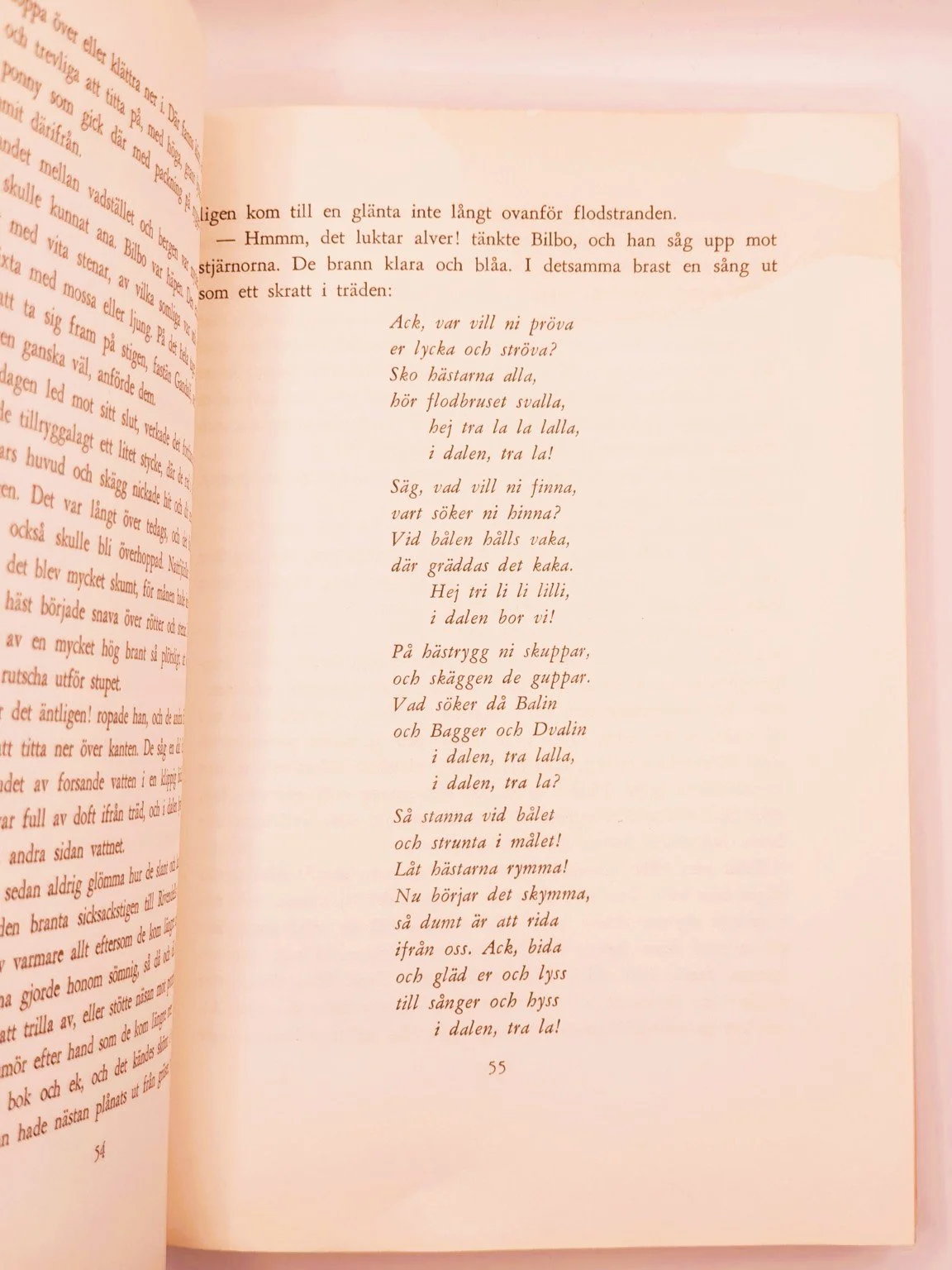 Image 10 of 17
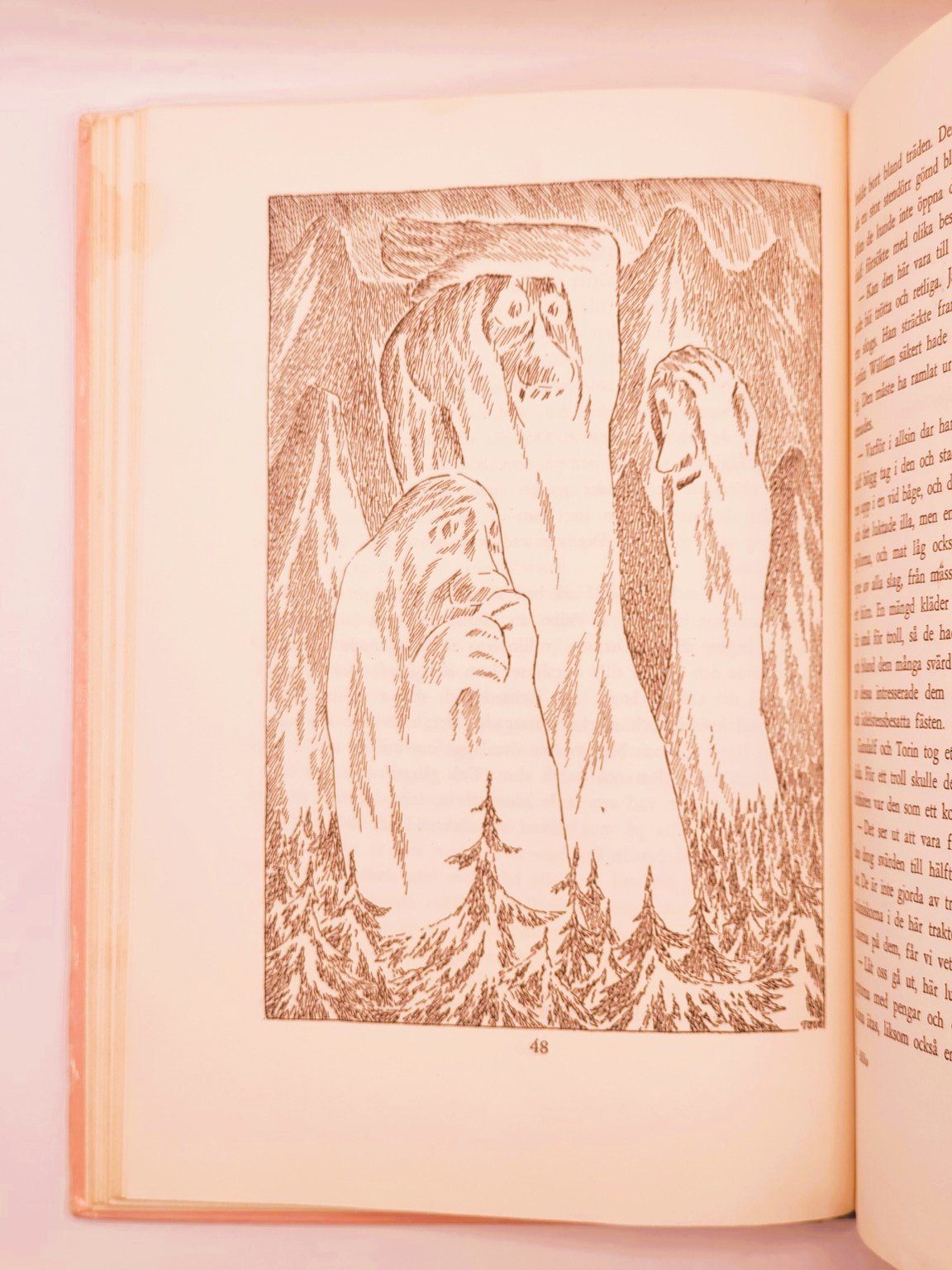 Image 11 of 17
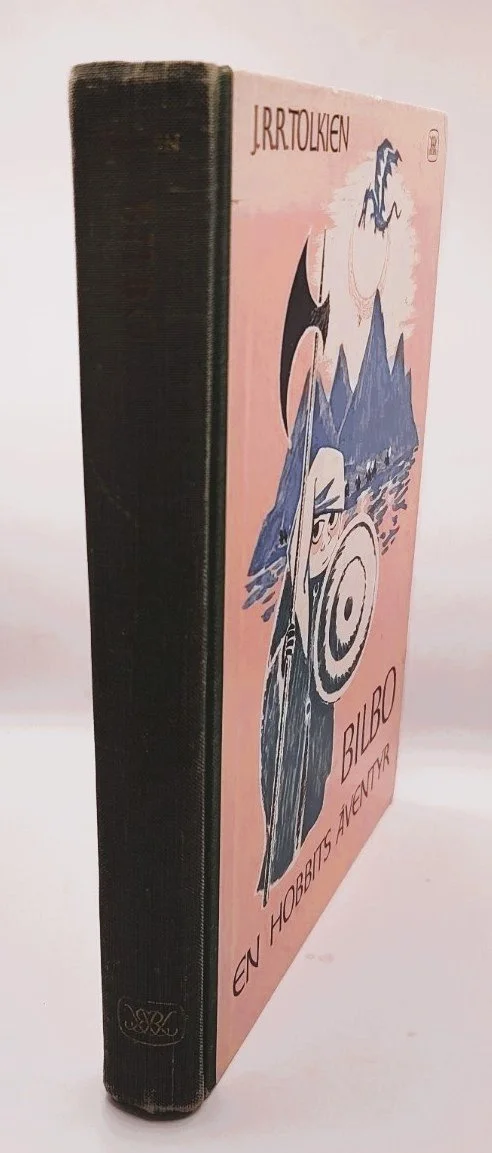 Image 12 of 17
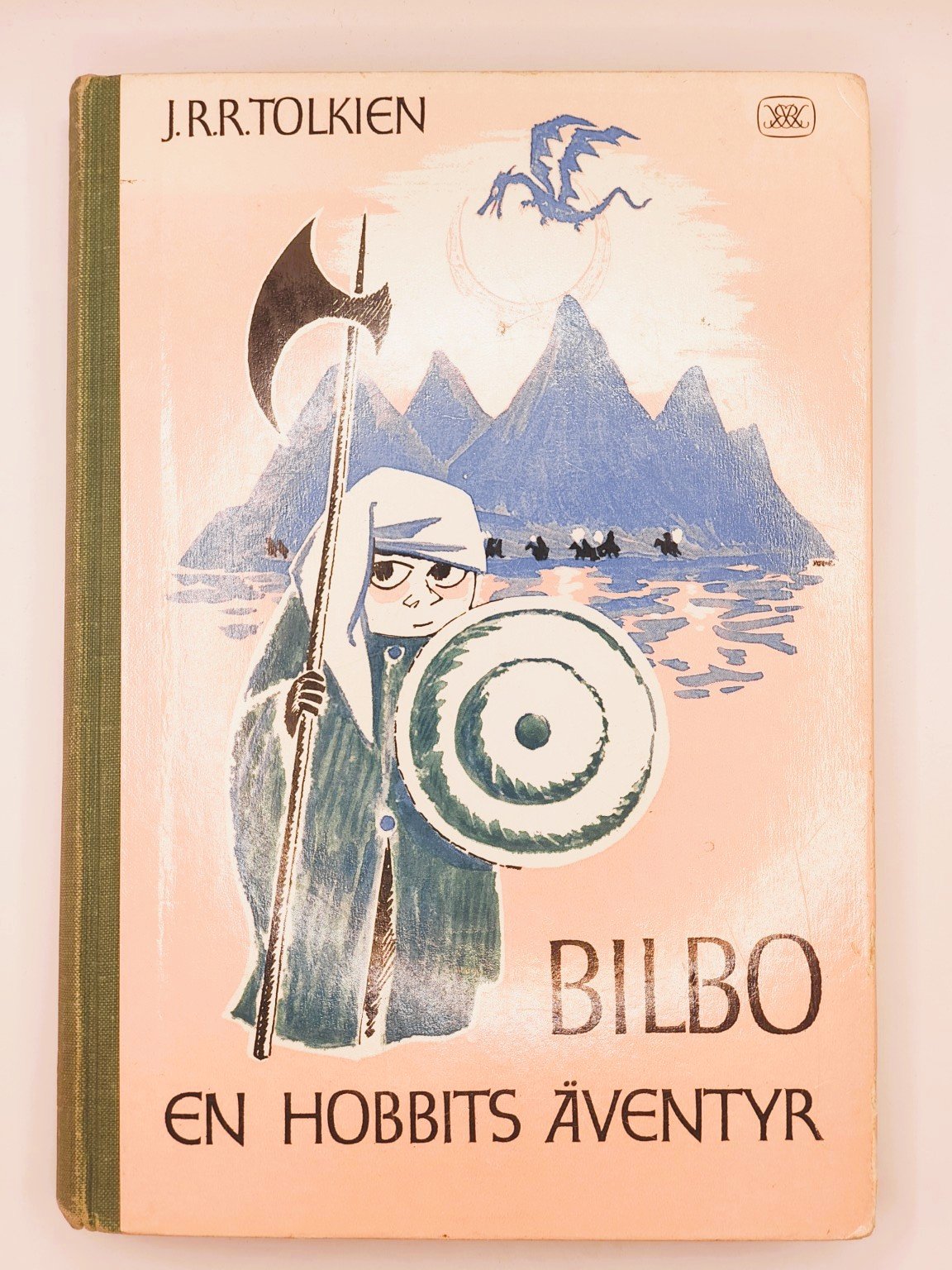 Image 13 of 17
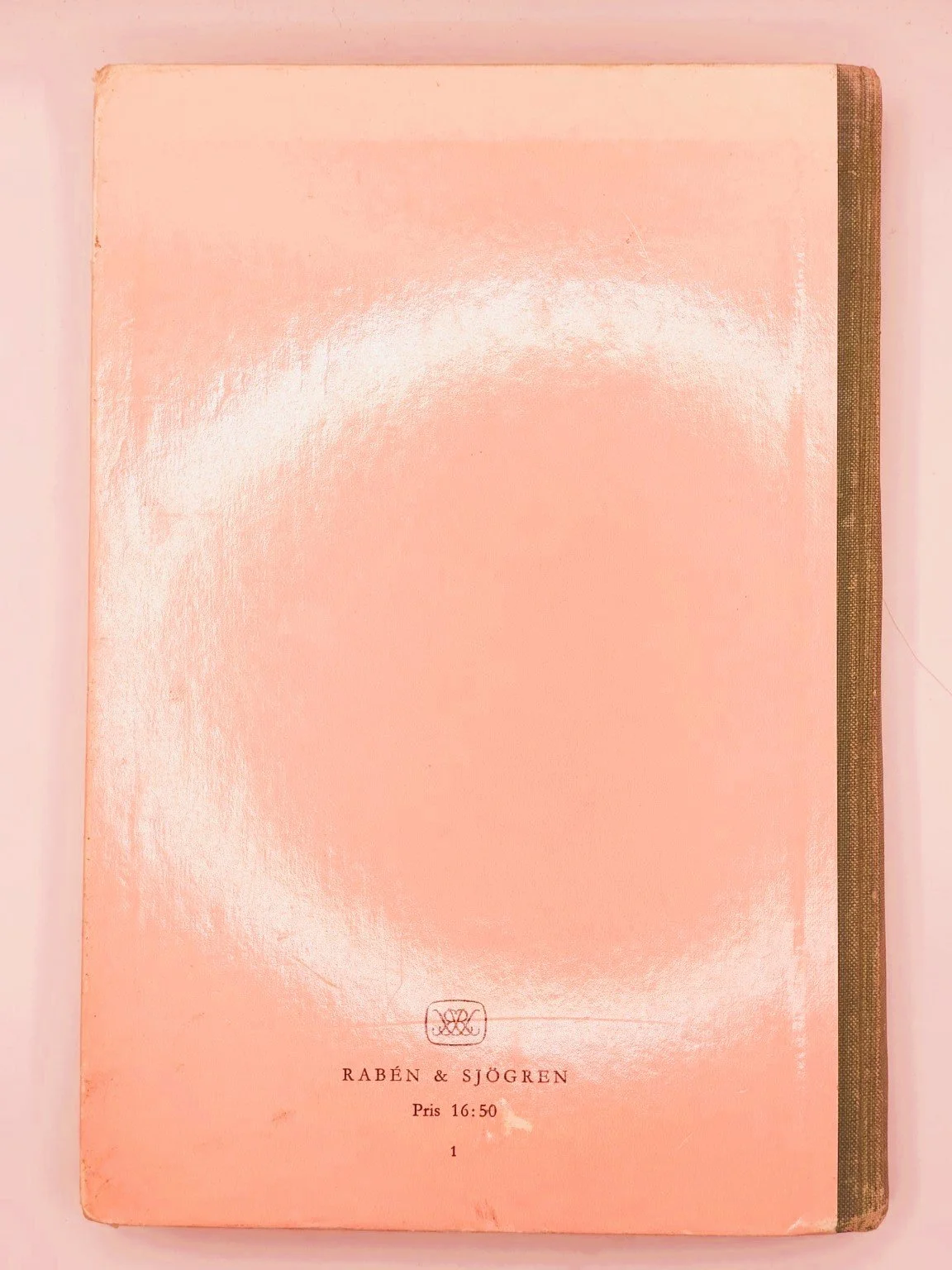 Image 14 of 17
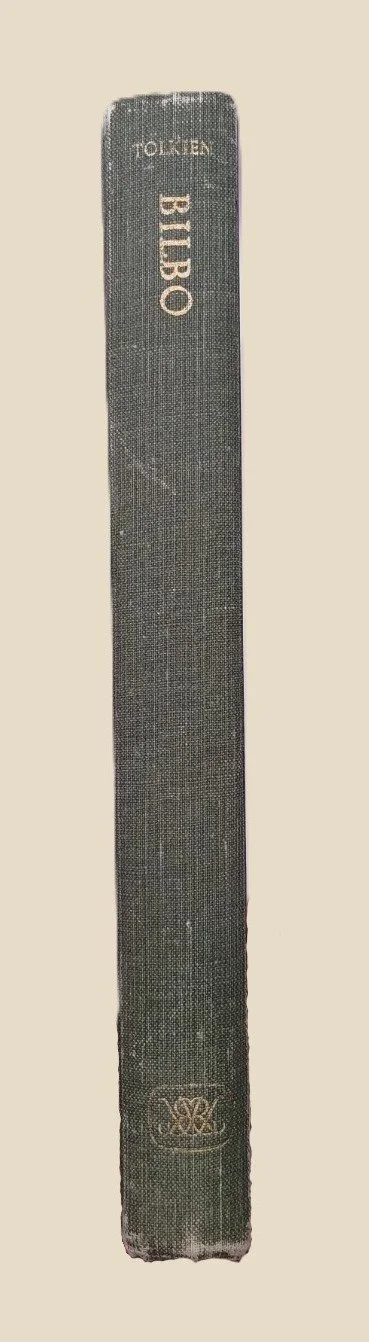 Image 15 of 17
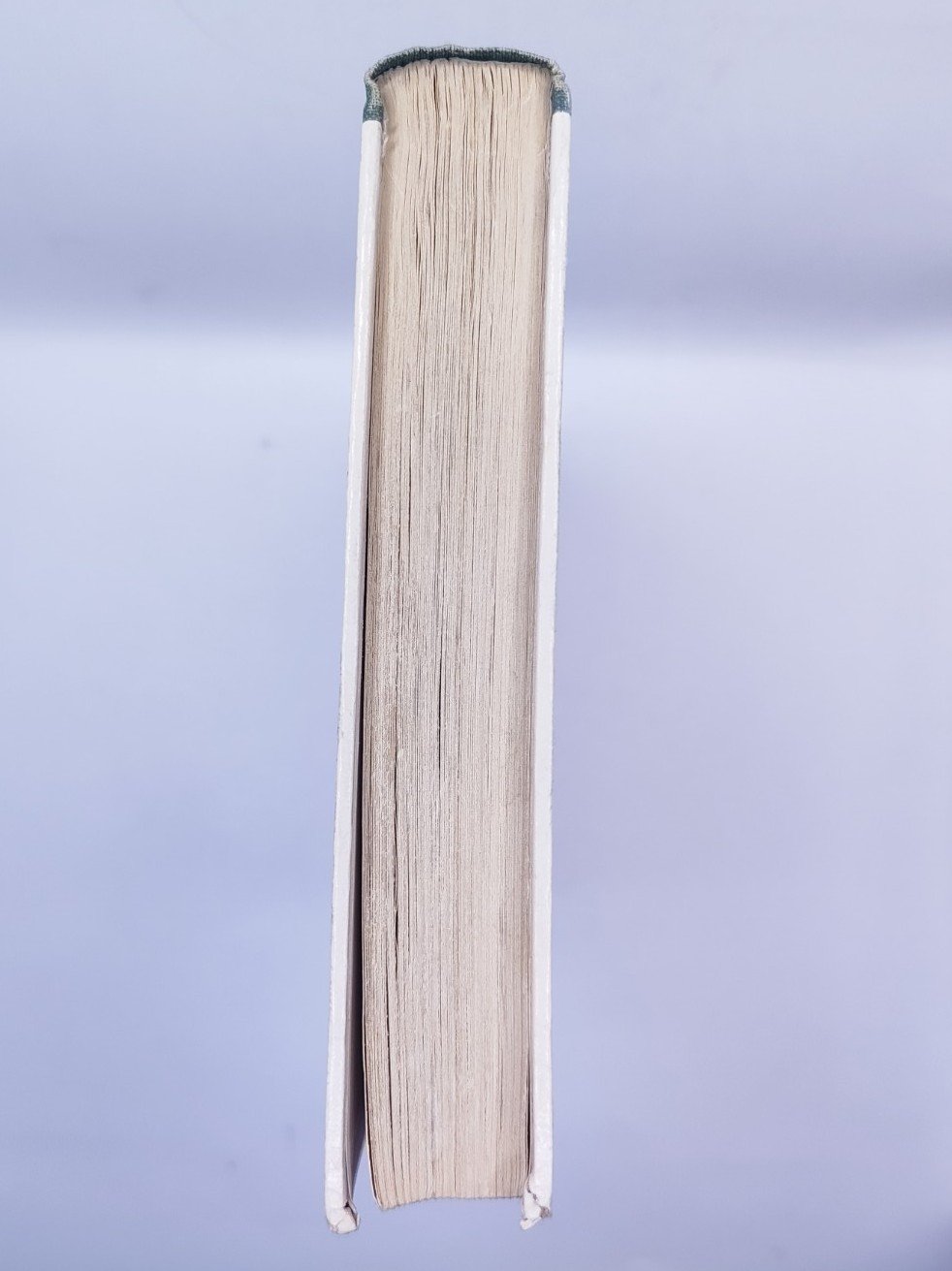 Image 16 of 17
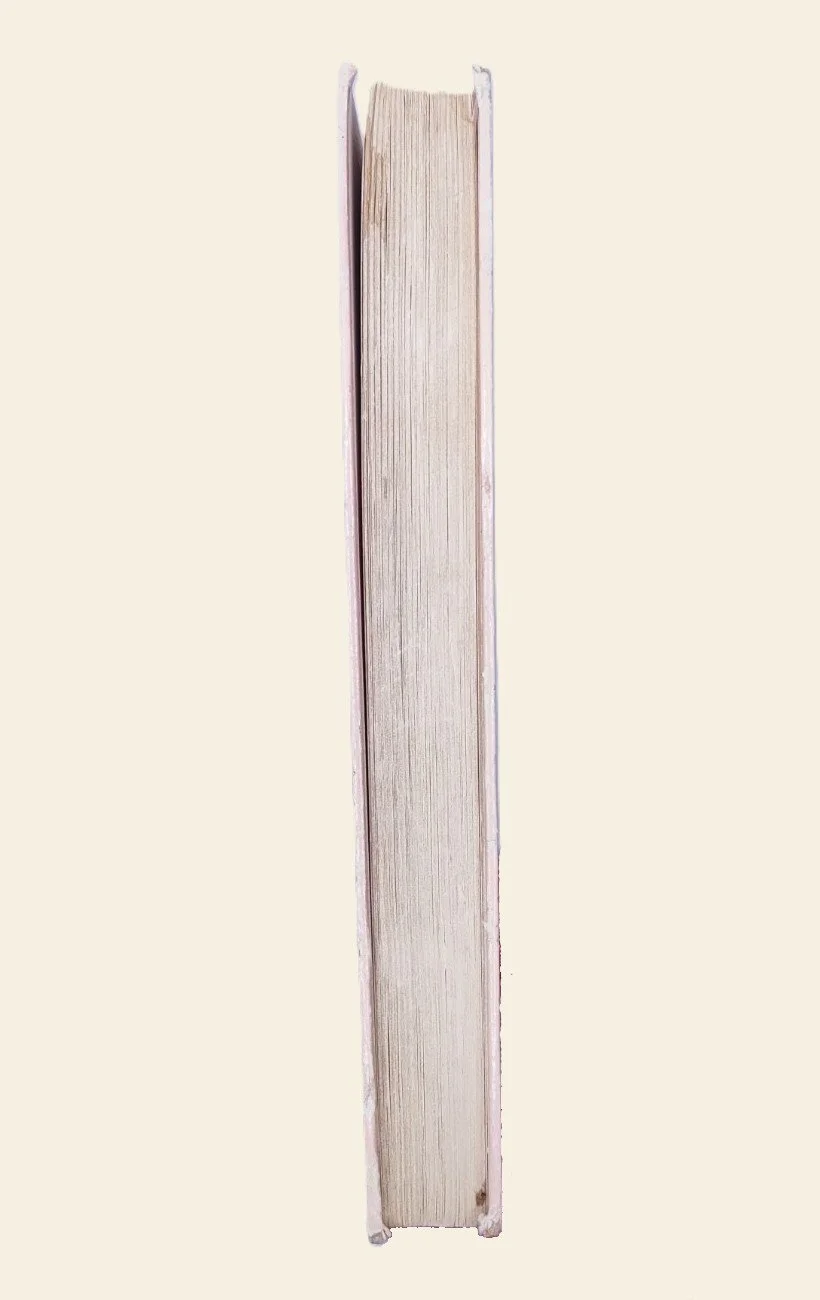 Image 17 of 17