Introduction
A finely produced Dutch miniature Bible, printed in Dordrecht in 1794, preserved in an elaborate contemporary silver-mounted binding. Compact in scale yet rich in material presence, this volume exemplifies the enduring appeal of the Statenbijbel in its more intimate, personal form. The addition of ornate silver mounts and clasps transforms the book from a purely devotional object into something both tactile and ceremonial, reflecting the cultural importance of scripture within domestic and private life in the late eighteenth century.
Physical description
Dutch Statenbijbel (States Bible)
Printed in Dordrecht, 1794
Miniature format, intended for personal use
Contemporary binding with extensive silver mounts
Two beautifully adorned silver clasps
Pierced and engraved silver decoration with floral motifs
Gilt edges
Illustrated with engraved plates, including scenes from Genesis
Textblock complete and stable
Partial separation at the inner hinge (visible between cover and first leaf)
Light wear and oxidation to silver, consistent with age
Context
The Statenbijbel, first commissioned by the States General in the seventeenth century, remained the authoritative Dutch Bible well into the eighteenth century. By the time of this 1794 printing, such editions were no longer political statements of national identity, but deeply embedded elements of personal religious life. Smaller formats, such as the present example, were designed for portability and private devotion, often accompanying their owners in daily routines or travel.
The addition of silver mounts reflects a longstanding Northern European tradition of elevating devotional books through precious materials. In the Dutch context, these bindings occupy a space between object and heirloom, combining utility with craftsmanship. Produced on the eve of major political change in the Netherlands, this volume also belongs to a moment when older forms of religious and material culture were about to encounter a rapidly shifting world.
Significance
This example stands out not for textual rarity, but for its material and visual qualities. The survival of its silver mounts and clasps, combined with its compact format and engraved illustrations, gives it a strong presence as an object. It is representative of a category of books that were meant to be held, used, and preserved, rather than merely read.
As such, it appeals both to collectors of early printed books and to those drawn to historical bindings and devotional artifacts. It remains a compelling witness to the intersection of faith, craftsmanship, and everyday life in the late eighteenth century.
Introduction
A finely produced Dutch miniature Bible, printed in Dordrecht in 1794, preserved in an elaborate contemporary silver-mounted binding. Compact in scale yet rich in material presence, this volume exemplifies the enduring appeal of the Statenbijbel in its more intimate, personal form. The addition of ornate silver mounts and clasps transforms the book from a purely devotional object into something both tactile and ceremonial, reflecting the cultural importance of scripture within domestic and private life in the late eighteenth century.
Physical description
Dutch Statenbijbel (States Bible)
Printed in Dordrecht, 1794
Miniature format, intended for personal use
Contemporary binding with extensive silver mounts
Two beautifully adorned silver clasps
Pierced and engraved silver decoration with floral motifs
Gilt edges
Illustrated with engraved plates, including scenes from Genesis
Textblock complete and stable
Partial separation at the inner hinge (visible between cover and first leaf)
Light wear and oxidation to silver, consistent with age
Context
The Statenbijbel, first commissioned by the States General in the seventeenth century, remained the authoritative Dutch Bible well into the eighteenth century. By the time of this 1794 printing, such editions were no longer political statements of national identity, but deeply embedded elements of personal religious life. Smaller formats, such as the present example, were designed for portability and private devotion, often accompanying their owners in daily routines or travel.
The addition of silver mounts reflects a longstanding Northern European tradition of elevating devotional books through precious materials. In the Dutch context, these bindings occupy a space between object and heirloom, combining utility with craftsmanship. Produced on the eve of major political change in the Netherlands, this volume also belongs to a moment when older forms of religious and material culture were about to encounter a rapidly shifting world.
Significance
This example stands out not for textual rarity, but for its material and visual qualities. The survival of its silver mounts and clasps, combined with its compact format and engraved illustrations, gives it a strong presence as an object. It is representative of a category of books that were meant to be held, used, and preserved, rather than merely read.
As such, it appeals both to collectors of early printed books and to those drawn to historical bindings and devotional artifacts. It remains a compelling witness to the intersection of faith, craftsmanship, and everyday life in the late eighteenth century.


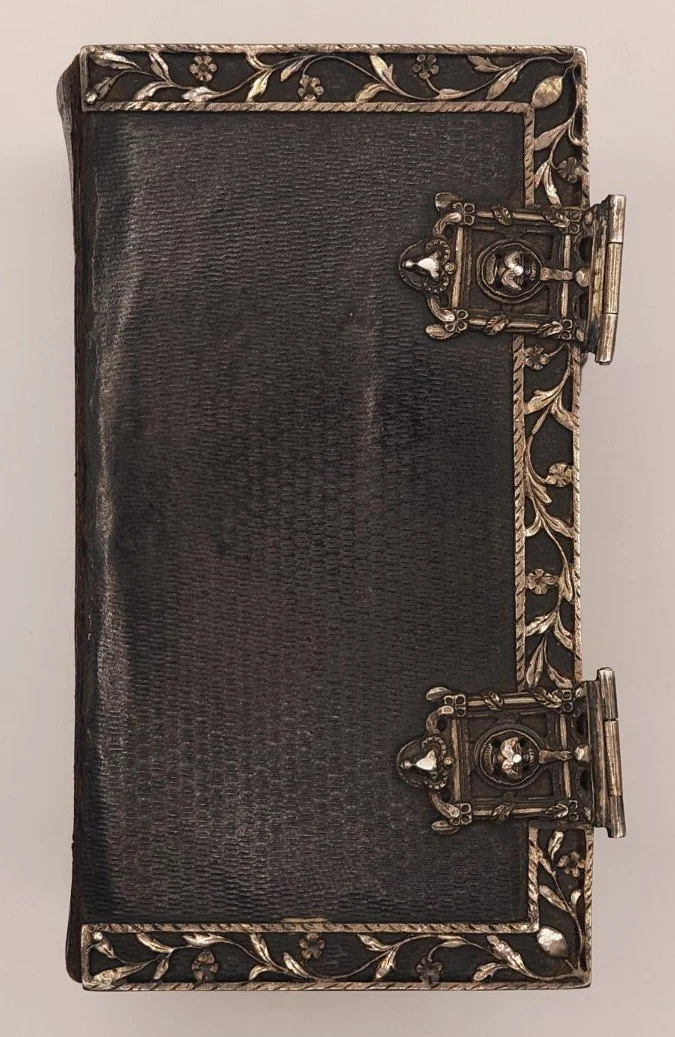 Image 1 of 9
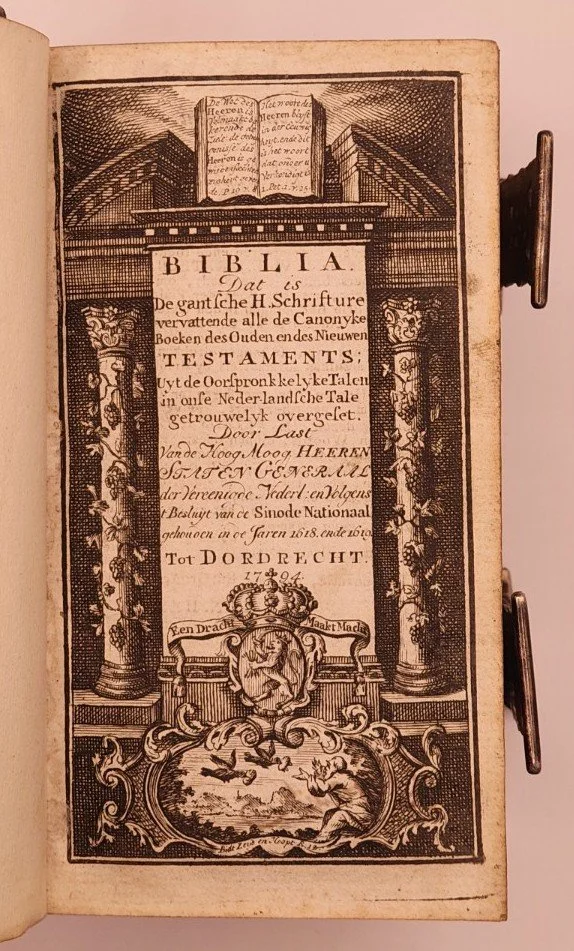 Image 2 of 9
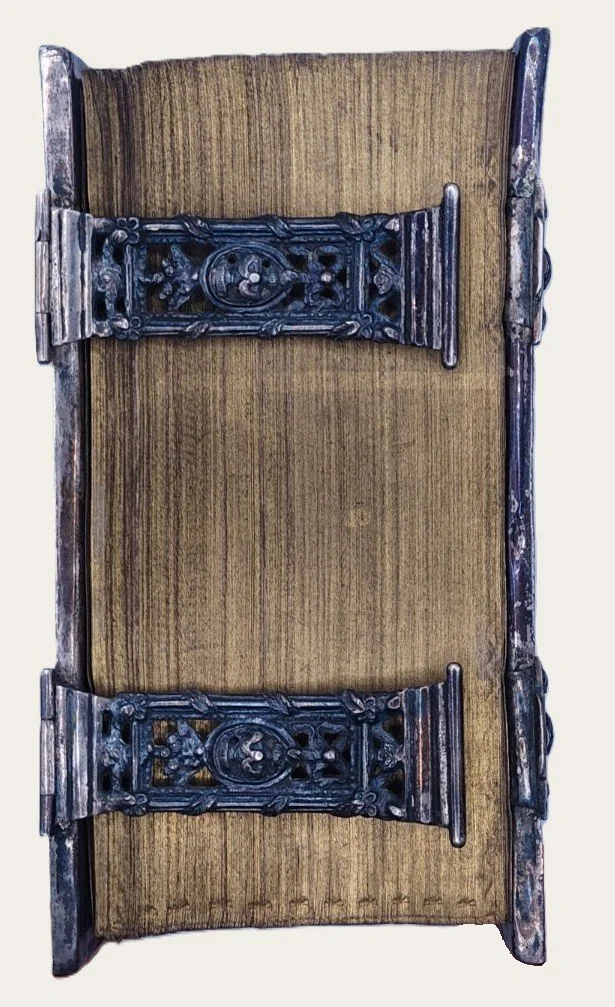 Image 3 of 9
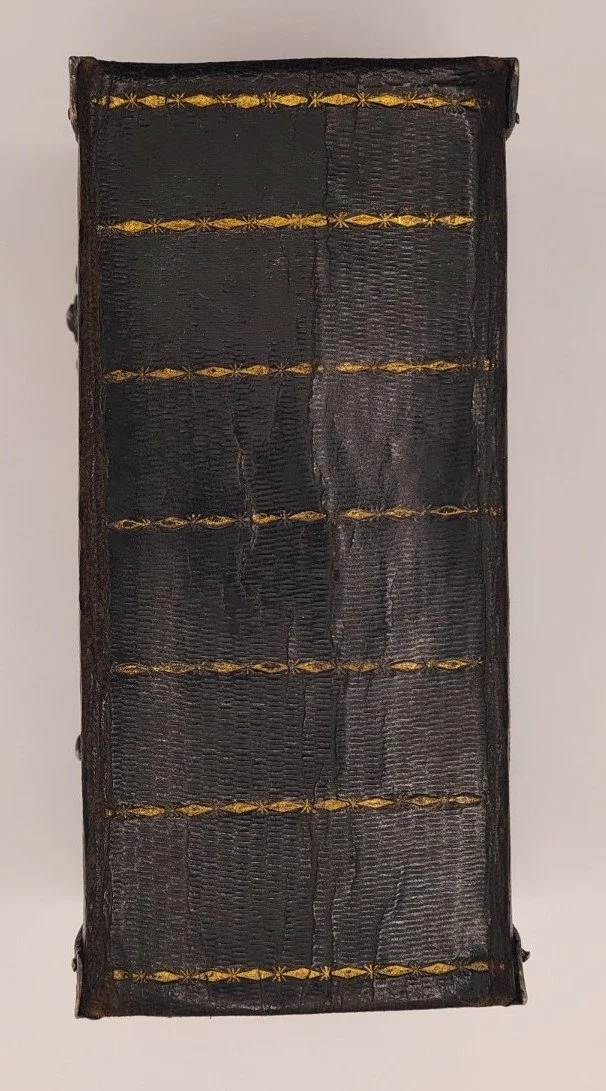 Image 4 of 9
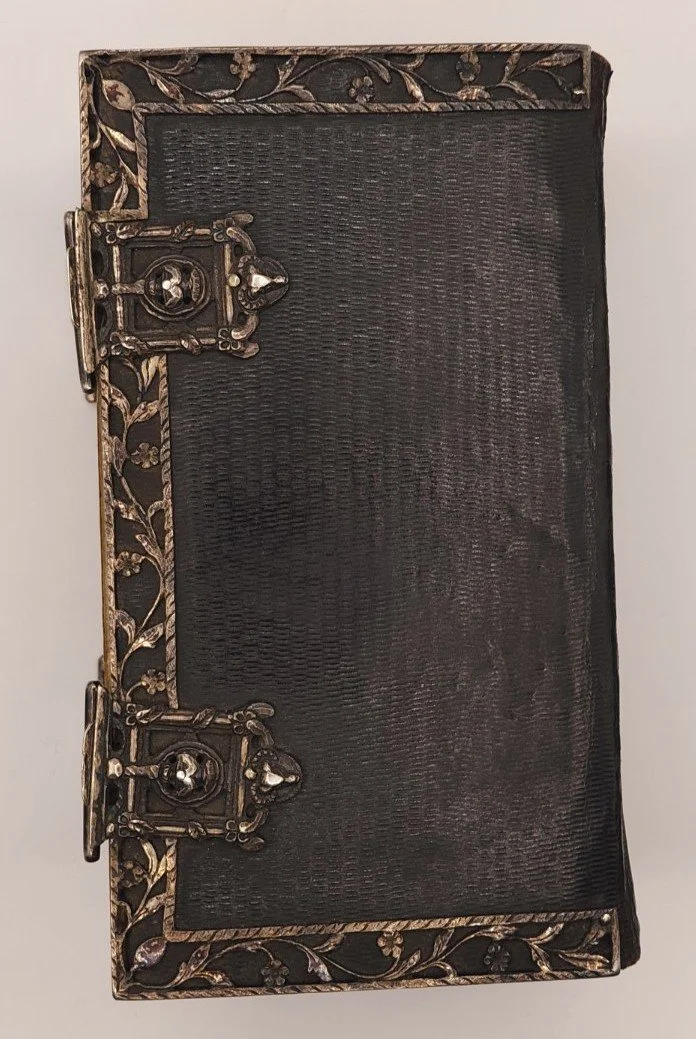 Image 5 of 9
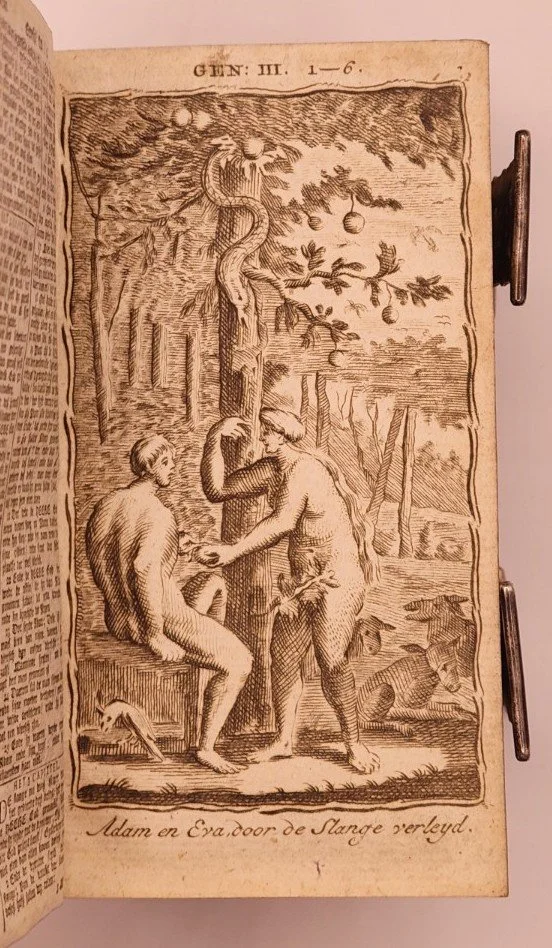 Image 6 of 9
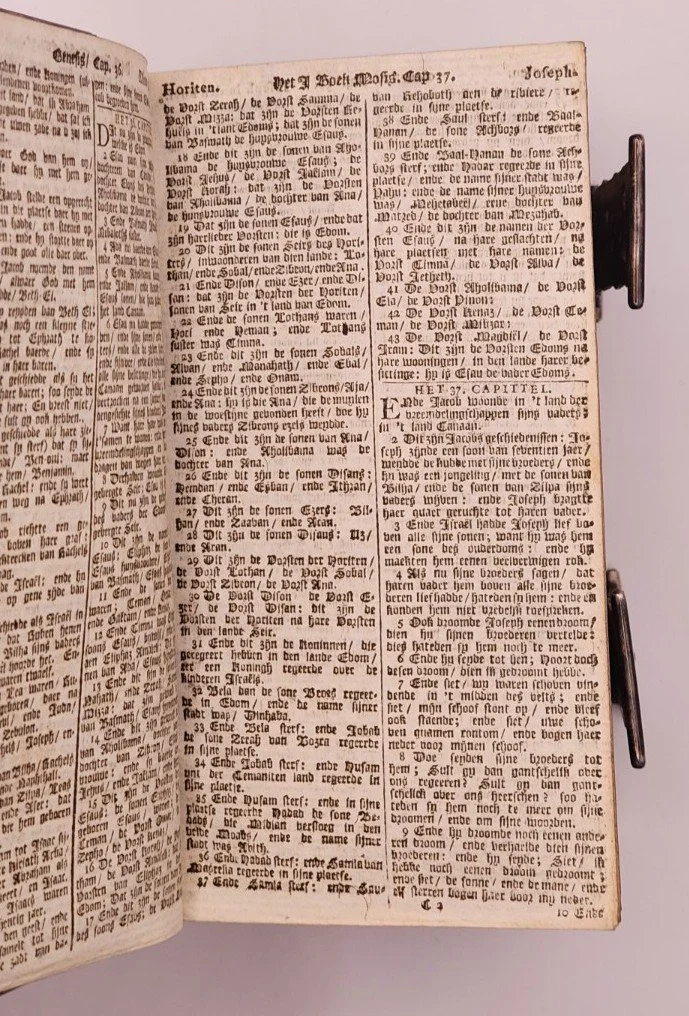 Image 7 of 9
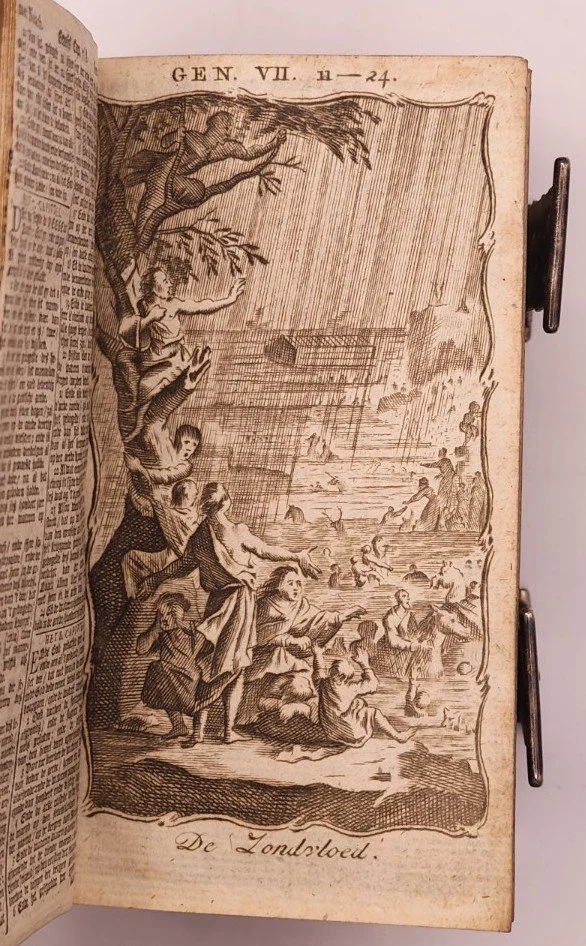 Image 8 of 9
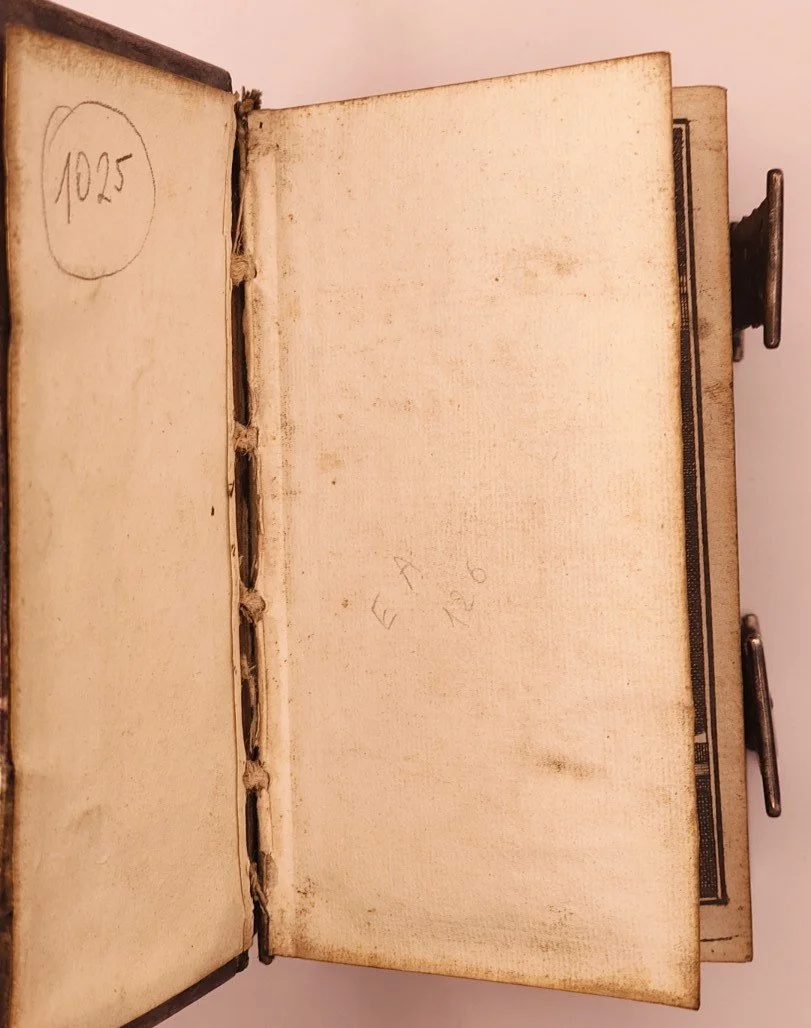 Image 9 of 9